

By Susan Lutz
Forests are dying. Polar bears starving, ice caps shrinking. The list grows. We’ve spent a lifetime stomping on the planet and now world leaders gather in the hopes of finding a solution before we hit the tipping point. Can we pull back? Can we save ourselves?
I read positive stories: a community garden in Haiti becomes a center of growth and revitalization; the price of solar power is dropping fast and becoming an extremely viable alternative energy source; climate adapted strategies are manifesting and working to stabilize wildlife. Around towns, I see trees being planted, youth conversing about important issues. This is great. And there are many more examples of success and ideas which are moving us forward.
Yet, I read bad news, too: the UK starts to cut millions of dollars from its renewable resources; the threat of disease increases due to insects gaining the ability to live longer and travel farther; the sea level is rising; and of course, we’ve all seen the pictures of the polar bears starving. Some days, it’s hard to read the news. Some days it does seem like we’re just going to tip over and sink.
I recently heard a lecture on the cause and effect of our actions and the impact our choices have on climate change. The most interesting, and most powerful, I thought, was this: What are we willing to give up? In this country, the majority of cars during rush hour consist of single drivers. Bottled water and soda fill our vending machines, and we don’t give a second thought to the short pleasure we get versus the amount of toxins in each bottle. We like our stuff. We like our creams, cars, deals online, new phones, and processed, over-packaged foods.
The summit on climate change brings together world leaders. The model of coming together to talk; understanding our differences; taking note of those suffering the most; and, moving forward with dialogue. Regardless of how difficult the task is, it is one we must implement from the highest of offices to the grass-roots level.
We wait too long to act. We wait to change gun laws until terror steps into our cafes (if even then). We wait to ban trophy hunting and poaching and watch as species become threatened and face habitat loss and even become extinct. We’re slowly melting under the take-the-money-and-run philosophy of getting what we need, now, and forgetting how it will hurt us in the future.
When my son picked up an acorn the other day, he thought it was the grandest of discoveries. I held it up and told him it was amazing. We carried it with us as if it were a piece of gold. Our food supply, our land, our water – they truly are gold. We must realize this now, or we will watch as the world melts and slowly slips away.

 Can we feed the world without wrecking it? Are we farming ourselves out of food? My guest, Joel K. Bourne Jr. and I delve into those questions on this week’s show. Joel’s new book, THE END OF PLENTY: The Race to Feed a Crowded World, discusses the world food crisis, as it relates to population increase and environmental concerns. Farm land is becoming decimated, as water shortages are spreading globally, thus reducing growth of crops needed to feed the populace. Political unrest and revolutions have occurred in various hot spots around the world, as wheat crops have failed, which has lead to tightening grain supplies. Lives are lost as fights break out over bread. Will 3D printing of food save us? Probably not, but there is hope, as farmers are using innovations in food irrigation, as well as conservation methods to solve some of the problems. A new land ethic must be put into place to feed the world. For more information go to joelkbournejr.com and amazon.com for his book, THE END OF PLENTY.
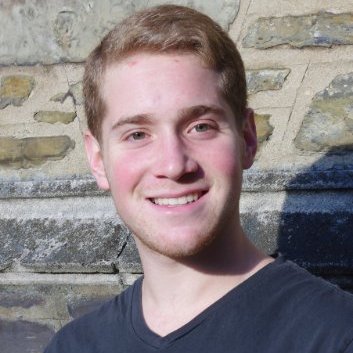 In the 1984 film Flamingo Kid, Matt Dillon’s character Jeffrey Willis, dines with his family at Larry’s Fish House, where the slogan is “Any Fish You Wish”. Cut to the summer of 2015, and my guest Noah Bressman, who is a budding marine biologist at Cornell University, has a big wish. That wish is to encourage more sustainable fishing practices on both the industry side and the sporting side. Fisherman should catch and release fish not caught for food. Regulations should be enforced to ensure more sustainable fisheries and fishing practices. Find out what mummichogs are, and how Noah’s research on that ‘intertidal killfish’ was featured on the Discovery Canada Show, The Daily Planet. Learn about what the signs at your local grocery fish counters mean when they say “all natural”, “wild caught” or “certified sustainable”. Noah is making great strides in his research, and he will continue to do great things in years to come. For more information visit Noah’s Facebook Page:
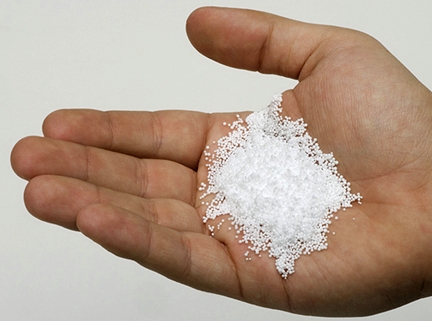 Scrub some natural face cleanser on at the end of the day. Feels wonderful. A shea butter body cream can only be good, right? Read the ingredients. Many of the cosmetics on the shelf today contain microbeads. What’s a microbead? I hadn’t heard of them either. Yet, they are now so proliferate in many of the products we use, approximately 69 NGOs from 33 countries are supporting the campaign to end the use of the microbead, according to
 Bees… what’s all the buzz about? I talk with Matthew Shepherd, Communications Director for the Xerces Society for Invertebrate Conservation, to find out why bee colonies are collapsing, and what programs Xerces has created to help protect pollinator insects. Habitat creation, planting flowers, shrubs, trees, creating nest sites, and reducing or stopping the use of pesticides, are all very important to keep the bee and other invertebrate insect population thriving. Find out how urban areas have become home to many insect species from far away lands, and how the Milkweed Project works to build up habitats for the Monarch Butterfly. Visit
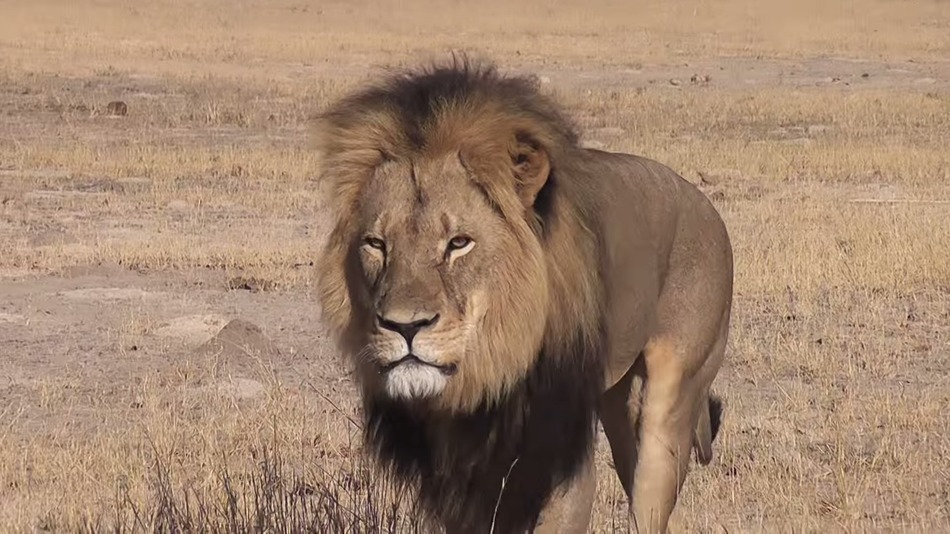
 This week’s show takes us to jungles, plains, back lots and road shows to focus on animal welfare and the need for wildlife protection. My guest, Adam Roberts, CEO of the organization Born Free USA, and I discuss the plight of elephants and lions and what is causing them to be endangered. We also talk about the cruelty and neglect of Exotic pets, and the treatment of animal actors in circuses, film and TV. Lions may be sleeping, but we need to ROAR to save them. For more information go to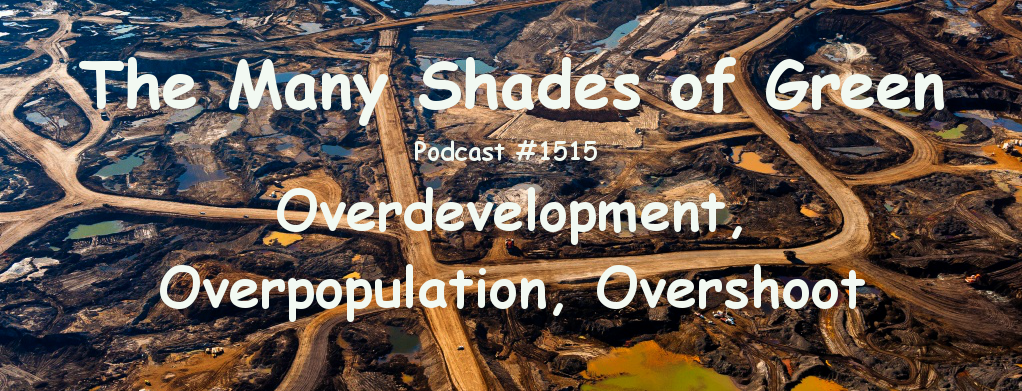
 Overdevelopment, Overpopulation, Overshoot – Tom Butler’s new large format coffee table book, tells the story of how population increase, and the rise of the industrial complex, has led to social, economic and environmental problems world wide. The phrase ” a picture’s worth a thousand words” is most evident in the photos taken during this three year journey to expose man’s quest to dominate the planet, and leave sprawl, over growth, disease and destruction in its path. We over indulge, over-plug, and over saturate this beautiful planet, with blatant di
 This week’s program takes place at the Bedford 2020 Summit and Solar Action Day. We spoke to Andrew Revkin, writer of the Dot Earth Blog for the New York Times, as well as Peter Olmsted, East Coast Regional Director for Vote Solar. We also spoke to Mayor Michael Cindrich of Mt. Kisco, NY about the solar projects on his agenda. Keynote Speaker Amory Lovins, of The Rocky Mountain Institute, spoke about new energy technologies that are on the horizon for the future of electricity. It was a gathering of innovators, educators and community, all working to promote solar and other renewable energy, in an effort to help create actionable solutions to green house gas emissions. A special thank you to Heather Flournoy for her hard work and hospitality. For more information go to
 If we could talk to the animals, just imagine it, chatting to a chimp in chimpanzee, imagine talking to a tiger, chatting to a cheetah, what a neat achievement that would be. In Part 1 of my talk with Bonnie Wyper, President and Director of Thinking Animals, we delve into the topic of animal behavior and cognition. Charles Darwin once said that “Evolution is not just the physical body, but our emotional sides as well.” Bonnie and I discuss how animals experience joy, stress, thought and nuance, and are more complex than humans know. Most humans think of themselves as superior beings, and species are being decimated because of that thought process. We need to step up and treat all creatures humanely. For more information go to
 The East Village in NYC is a mecca for the arts, the bohemian in all of us, and it is a NYC treasure that must be preserved. Sara Romanoski, Managing Director of the East Village