
By Susan Lutz
Hope seems lost. So often headlines tumble us backwards, forgetting that hope exists. But all is not lost. I found hope, and more, in these stories, these people, and these communities – each bringing rejuvenation to our environment and its communities. Moreover, it’s not just hope that these stories project. Within the actions and hearts of the people in these stories, a deep certainty resides in their power to change not only life for themselves but for others.
- Taking Back Detroit Neighborhoods with the Power of Organic and Community – Urban depression runs through many areas of large cities. Abandoned homes often represent a dark picture of an impossible task: how to bring life back to once vital areas. This Detroit neighborhood is taking back its homes and its community by using YouTube, gardening, and the support of each other to revitalize and reclaim a neighborhood.
- Planting Trees as a Mission – This 103-year-old woman Karnataka has planted not just one, two, or even 100 trees. Saalumarada Thimmakka, from India, has for the last 50 years planted over 400 banyan trees. But that’s not all. She also fights to get a hospital in her community.
- Urban Garden in the Heart of NYC – In a place least expected, the Urban Garden Center sprouted, providing fresh natural food and serving the community through gatherings and education. The Urban Garden Center has forged on, despite many obstacles. Their location houses a two-block stretch of city concrete under part of the railway system. What they do inspires others to bring the beauty and revitalization of greens into city living.
- Empowerment through Fair Trade – The success of companies will no longer be measured in dollars only. Perhaps that never was true success. Some companies achieve empowerment for their community and themselves by giving back. Alaffia is a company in Togo, Africa with a mission to invest in the community. They state that their goal is to end poverty and foster gender equality. They work on things such as educational projects, maternal health, and reforestation, to name a few.
Connecting with the community, demonstrating an organic lifestyle, and helping others through cooperation with the environment, brings forth prosperity, perhaps slowly, but surely. As the large corporations struggle with profits, they now look to the little – though giants in heart – as models for the future. The power of their certainty plants seeds of true change that will benefit all.

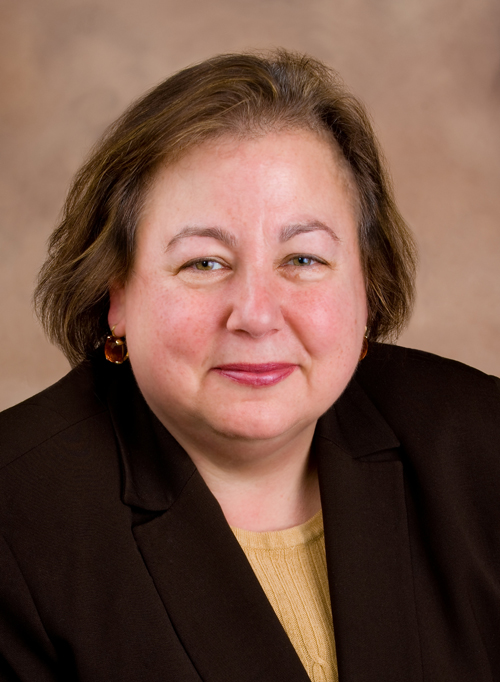 How compassionate is the New York State Compassionate Care Act of 2014 legalizing the use of medical marijuana? My guest this week, New York State Senator Liz Krueger, a lead advocate for legalizing marijuana for both medicinal and also for recreational use, gives us some insight into the pros and cons of the current bill, and why it needs to be enhanced to allow coverage for more diseases. Senator Krueger has also sponsored the Fossil Fuel Divestment Act to limit the investment in oil and gas stocks in NYS pension funds. For more information go to: nysenate.gov/senators/Liz-Kruger or send a tweet @LizKrueger

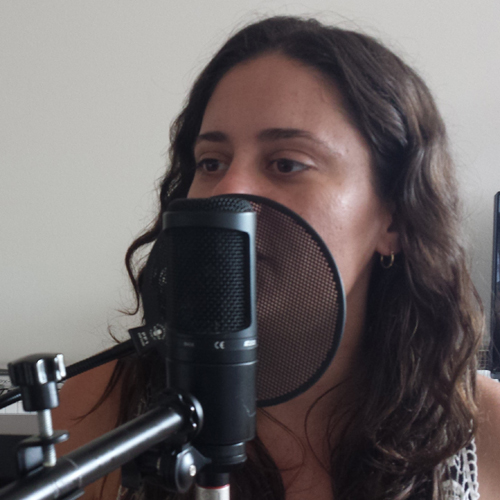 Billions of people around the globe are affected by the changes in climate every day. There are many stories that need to be told and many stories that need to be heard. My guest this week, Dayna Reggero, project director for the Climate Listening Project, has gathered stories from a variety of individuals and businesses about the direct effect of climate change on their lives and communities. Farmers, scientists, faith based and environmental groups are working towards solutions to adapt and build resilience to the extremes of climate change. We must connect actions to our words and work towards building a cleaner, greener world. Dayna has also been involved with the Showtime Series, Years of Living Dangerously, and has partnered with Laura Lengnick, author of the book Resilient Agriculture: Cultivating Food Systems in a Changing Climate. Dayna and Laura conduct storytelling workshops at colleges via the Cultivating Resilience Tour. For more info go to: daynareggero.com, @DaynaReggero and facebook.com/climatelisteningproject.
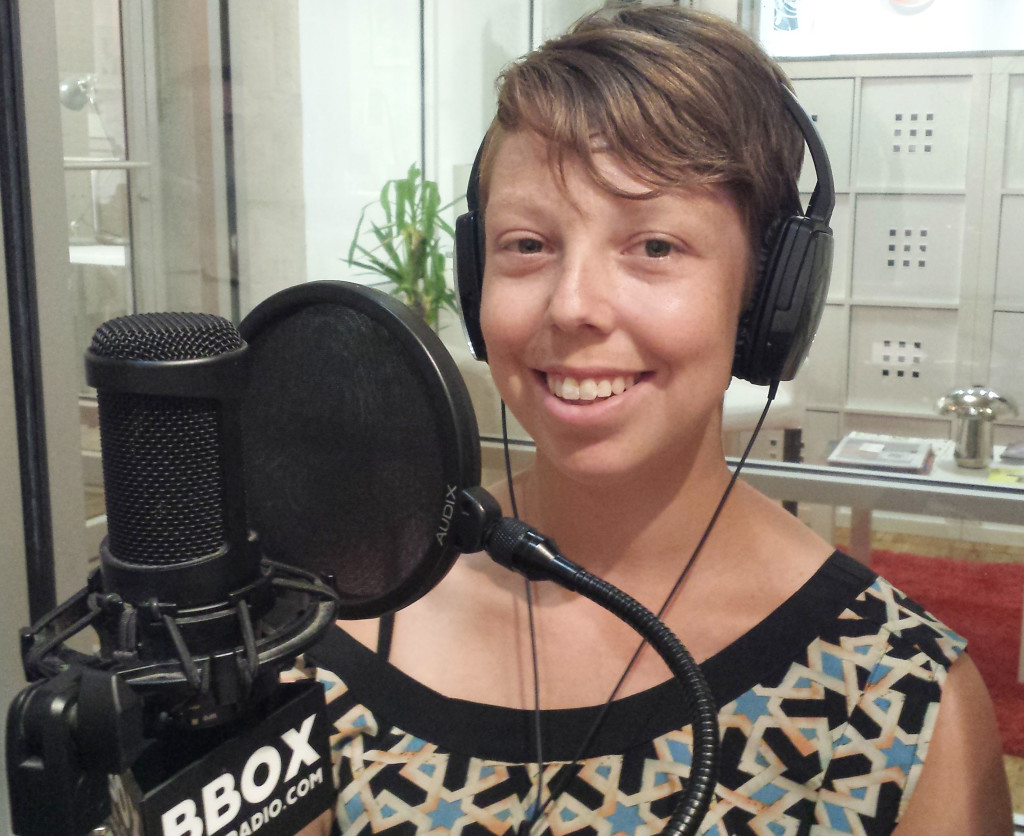 Microbeads are not part of a kids craft project, they are tiny plastic particles which are entering the wildlife and human populations. My guest this week, Jordan Christensen, is the Program Coordinator for the Citizens Campaign for the Environment, and she is working to put pressure on our elected officials to ban the use of microbeads. She is also working on projects to limit raw sewage and toxins from entering the waterways, as well as reducing use of chemicals in schools. We have to write letters to our local and national representatives to let them know that Earth comes first. Go to www.citizenscampaign.org for more information.
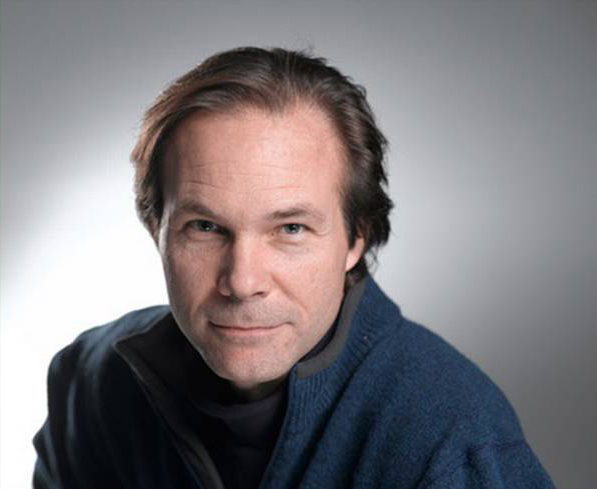 Can we feed the world without wrecking it? Are we farming ourselves out of food? My guest, Joel K. Bourne Jr. and I delve into those questions on this week’s show. Joel’s new book, THE END OF PLENTY: The Race to Feed a Crowded World, discusses the world food crisis, as it relates to population increase and environmental concerns. Farm land is becoming decimated, as water shortages are spreading globally, thus reducing growth of crops needed to feed the populace. Political unrest and revolutions have occurred in various hot spots around the world, as wheat crops have failed, which has lead to tightening grain supplies. Lives are lost as fights break out over bread. Will 3D printing of food save us? Probably not, but there is hope, as farmers are using innovations in food irrigation, as well as conservation methods to solve some of the problems. A new land ethic must be put into place to feed the world. For more information go to joelkbournejr.com and amazon.com for his book, THE END OF PLENTY.

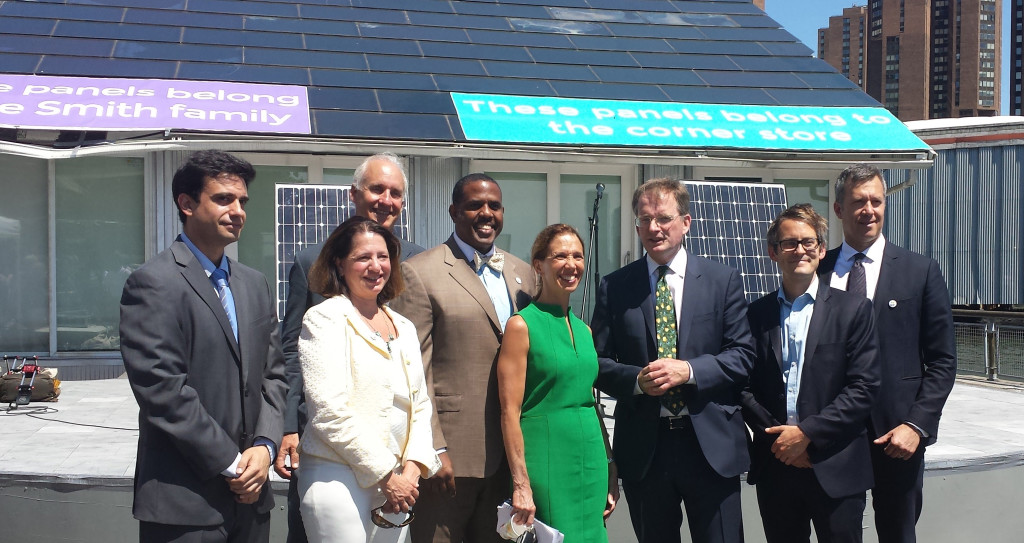 “Here comes the sun, here comes the sun and I say, it’s alright.” – George Harrison
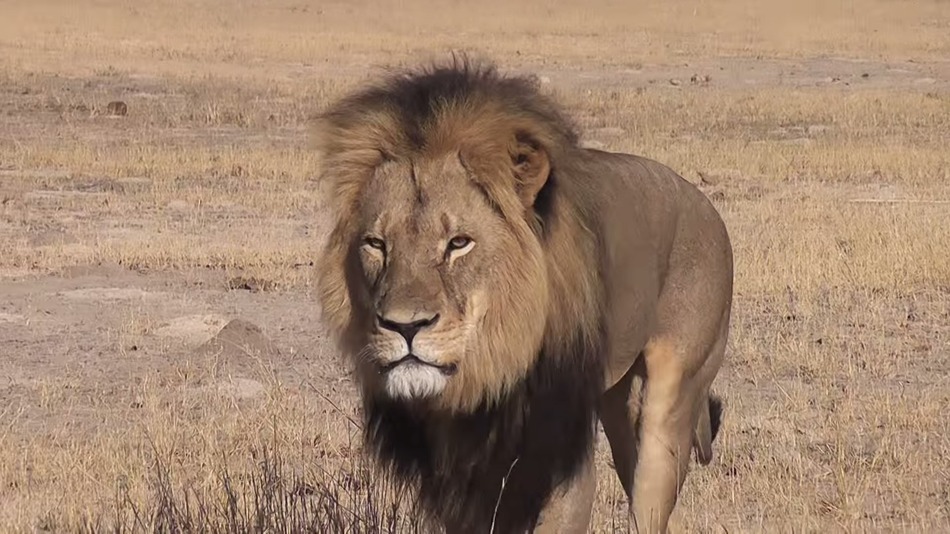

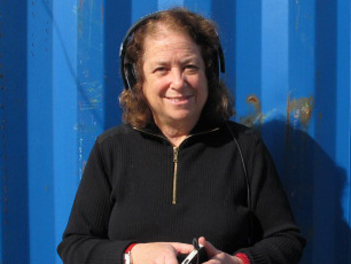 It’s summer time, which means that your inner zen takes control, and dreams of lush green forests, cool lakes, warm oceans and tropical gardens become reality. Be a sustainable citizen, consider the environment, and tool around in an electric car. While camping, keep the bugs away with natural herbal products. Join me and my guests this week, Rusti (Paula) Wolintz, realtor extraordinaire, BFF and electric car owner to be. Bonnie Rogers, expert herbalist and founder of Bonnie’s Herbals, and Brian Horowitz, my co-host today, who is the host of
 Why are environmental regulations important in helping reduce greenhouse gas emissions? The Clean Air Act and the Clean Power Standard Rule have been put into place to keep the air, land and water safe, in order to reduce the negative health effects of pollutants. Join me and my special guest, Elon D. Rubin, Esq., Environmental lawyer, entrepreneur, techie, musician and most importantly my awesome son, as we talk about the environmental regulatory process, and how citizens can participate in the process. The climate is changing, and we must be proactive in being resilient and adaptive to current and future climate challenges. For more information visit Edrlaw.com and epa.gov.

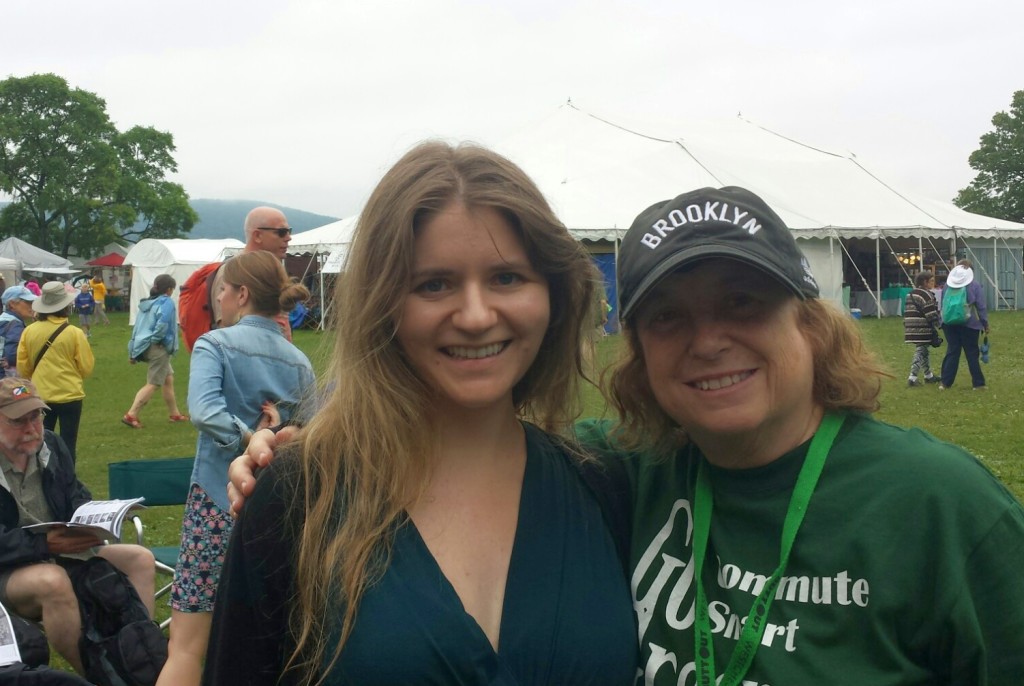 Neither rain, nor fog, nor soggy dew could dampen the spirit of the Clearwater 2015 Festival. We spoke to many environmental activists and green entrepreneurs who are creating ideas, and spreading the message about the need to be proactive stewards of Mother Earth. Music echoed throughout the festival, with many performers motivating the populace to take a stand and raise their voices on environmental and social justice issues. Music icon David Crosby, sang new songs with lyrics that commented on the nation’s current state of affairs, and implored people to email, call or show up at the offices of their elected officials and make some noise. Pete Seeger would have been proud to see his vision perpetuated. For more info go to