Be Kind to Animals, Don’t Be Cruel, Eat Your Veggies. All these phrases come together on this week’s program, as we celebrate vegetarian cuisine and cruelty free living at the New York City Vegetarian Food Festival. We spoke with Zoe Weil, Co-founder and president of the Institute for Humane Education, Nora Kramer, Founder and Executive Director of YEA (Youth Empowerment Action) Camp, Annie Hauck Lawson, Founder of Brooklyn Mompost, Susan Hargreaves, Founder of Animal Hero Kids, and Isis Phillips, Executive Director of Indy Kids. It was a pleasure speaking with all this dynamic and amazing women, who do so much to make the world a better place. For more information on these organizations go to humaneeducation.org, solutionaryschoolnyc.org, yeacamp.org, brooklynmompost.org, animalherokids.org, indykids.org and nycvegfoodfest.com
Meditating on a mountaintop never did it for me. I’ve been there. Climbed high; stretched my arms out; and reached for the sun on the horizon. Then, I’d turn around and realized I’d have to go down. The search for the ideal, whole, simple life would have to continue after the vacation ended. Life called me back into the hectic fold.
The whole life, the green life, the simple life truly is one. Each aspect circles into the other. Without contentment from within, a green, organic lifestyle will only do so much good. Without simple choices in how to live, a whole life hangs far in the distance.
With the universe at our fingertips, we can find the answer to anything. An internet search for “organic food” offers 97,000,000 results. And tomorrow will yield more. What do we do with all this information?
The planet is being torn apart; people dismissed, marginalized, and compromised. Toxins infiltrate the air and water; global warming destroys our foundation of life; food has been reduced to profits and slick marketing campaigns, and gadgets are replacing face-to-face interactions. These examples are only a few of what we face as a global community. Climbing back up to that mountain and settling in for a lifetime of meditation at times does sound appealing at times. But, it’s with the people, in society, and at the farms and grocery stores we need to be. Together is where we will find our solutions.
As a writer in the field of organic and natural lifestyle, I’ve discovered that these are confusing and complicated subjects. Driven by my own real-life traumas, I decided to find alternative approaches to health, education, and life. The Many Shades of Green offers a platform to extend into all areas of “greening” our lives, including our own backyards. I intend to add to the commitment of this site by finding the information and tools to live at a greener, less chaotic, and simpler level.
After my own health traumas, I faced more with my children. That’s when the search engine becomes a steam machine: caring for the life of another. I research, assimilate, and try to practice a lifestyle with as much awareness and consciousness about how my choices impact my family, the planet, and myself. I am not a model organic eater. When I try to meditate, I fidget and start thinking about chocolate or if my library book is overdue. Sometimes I fail. But I go on and never give up on the green path. By making my phone last another year, by eating a few more organic salads a week, by walking instead of driving, I find ways to simplify the moments and let the natural whole life burst through.
I lived in Central America for 15 years. By understanding a different culture, I’ve been able to raise my level of understanding, compassion, and pragmatism to the day-to-day struggles we face in raising our children and maintaining our planet. We can all find our own formula to succeed. A day is a jubilant success if my family has eaten an apple over a candy bar or a glass of water over a sugary drink. Success on a national and global level will follow with the same steps.
Life is whole when it is simple and surrounded by the healing powers of green.
The First Earth Day took place on April 22,1970 and on this week’s episode, we celebrate the 45th Anniversary of Earth Day, as well as the 45th year of the EPA, with special guest, Dr. Joel Scheraga, Senior Advisor for Climate Adaptation at the U.S. Environmental Protection Agency. The climate is changing, and we have to adapt to the results of those changes, which are coming in the form of more intense weather, super storms, droughts, pollution, and an increase in greenhouse gas emissions. The change in climate is causing the oceans to get warmer, and the temperatures are rising globally. This rise cannot continue, as it is causing degradation of natural resources, and is affecting human health and safety. We do have the power to help reduce our carbon foot print. Simple things like taking shorter showers, changing light bulbs to LEDs, recycling, reusing and reducing our consumption can make a big difference. We have to be more conscious of how our actions affect the planet, and take small steps to make things better. The EPA is working to help us adapt to climate change. For more information go to EPA.gov.
Overdevelopment, Overpopulation, Overshoot – Tom Butler’s new large format coffee table book, tells the story of how population increase, and the rise of the industrial complex, has led to social, economic and environmental problems world wide. The phrase ” a picture’s worth a thousand words” is most evident in the photos taken during this three year journey to expose man’s quest to dominate the planet, and leave sprawl, over growth, disease and destruction in its path. We over indulge, over-plug, and over saturate this beautiful planet, with blatant disregard for the other species who live on earth. Tom and I discuss how we can resolve and build solutions to these problems. This unique approach, which uses powerful photographs, illustrates that humankind must do better, we must stop drilling, stop building and stop decimating the earth. Mother Nature is not happy, but we can do things to make her smile again. Go to populationspeakout.org for more information.
What steps can you take to enhance the flow of chi? How do you create functional, sustainable and balanced spaces in your home by using Feng Shui techniques? What does the color green represent on the BAGUA MAP, and how many shades of green are there? Find out by tuning in, as this week’s guest, and friend of the show Anjie Cho and I discuss how to put some Feng in your Shui. Her new book: 108 Ways to Create Holistic Spaces, is a must read to bring zen and harmony into your life. Anjie is a LEED certified green architect, and is a BTB Feng Shui practitioner. For information go to holisticspaces.com. Her new book is available on amazon.com
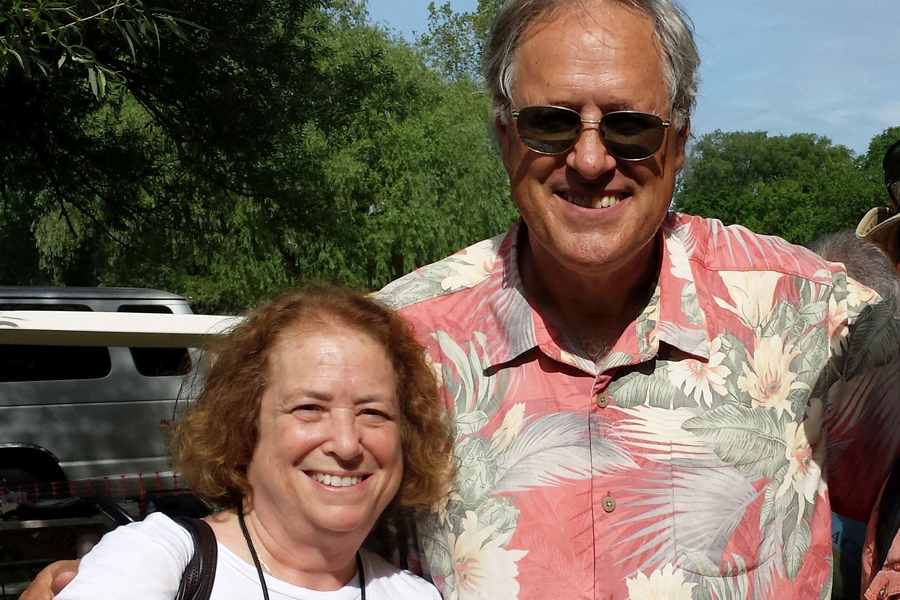
The Clearwater Festival was like stepping into a time warp and re-living moments of Peace, Love and Understanding through music, activism and innovation. It was wonderful to roam the festival grounds at Croton Point Park with my co-producer Abba Carmichael, my sound engineer Brian Horowitz, and summer research assistant Marco Spodek. We met and chatted with wonderful musical artists Dar Williams, Tom Chapin and more. The festival was dedicated to the late and legendary, Pete Seeger, who was the original founder of the festival. Various versions of the song Wimoweh/The Lion Sleeps Tonight, a song near and dear to me, filled the air throughout the day. I highly recommend attending the festival, so check out www.clearwaterfestival.org to jot down the date for next year. In the second half of the show we hear previously recorded studio performances from two activists who use music to share their message, Sharon Abreu and Morgan O’Kane.
Greetings! You may be surprised to find out that McDonald’s is cutting down on its use of antibiotic rich chicken meat. It would seem like things are changing for the better after reading the press release posted by the NRDC, the National Resource Defense Council. In reality though, McDonald’s is just cutting down on some chicken drugs, the medicinal antibiotics, that are used in commercial poultry operations. Their chicken dishes, if you can call them that, will still contain dangerous growth hormones and a wonderful cocktail of very questionable substances that fall under the category of “food additives”. For a list of what is in McDonald’s chicken nuggets check out this link.
Some people call these types of moves PR Campaigns, or deceptive marketing.
Unfortunately, it seems that moves like these work to hush any resistance against industrialized agriculture and the food science experiment industry known as “fast food”. Many people might be confused into missing the real fact; McDonald’s is just cutting medical antibiotics from their chicken, not all meat. Their chicken still has growth hormones and other harmful additives. I sincerely hope in writing this that many of us avoid becoming self-righteous and self-satisfied and thinking that it is morally justified to eat McDonald’s because they project the image that they are saving the earth and making healthy food because they love Americans.
I understand that for low income families fast food is cheap and easy. I understand that if people have to feed a few kids on 7 or 8 dollars per hour and are working 12+ hours a day, that they don’t have time to make or eat healthy food. So, if healthy food seems like it might break your wallet, you might be right. America kind of screws a lot of people on their good food options. That is why it is impossible for me to preach changing America’s unhealthy food choices when these realities exist. Grassroots food activists need to step up and help low income communities grow their own food, so as to have an alternative to fast food. If more community gardens and community based agriculture exists, more people of all races and classes would be able to access healthy, nutrient dense food. I may dedicate another blog in the future to community gardens and community organizing, but for now, I must stop here.
By Charles Caster-Dudzick
The American middle class, if that even exists anymore, needs to wake up and smell the coffee. No, not the McCafe or whatever McDonald’s serves. The real coffee, preferably organically and fair trade certified to ensure no chemical use and a fair price for the farmer. But for those who can afford it, please don’t be fooled by Ronald McLiar if he tells you his chicken is healthy. It is not, and the less drugged up food society buys, the more pressure there is on fast food joints like McDonald’s to clean up their act. The solution is to boycott. Again, for those who can, please boycott fast food places like McDonald’s, Burger King, Wendy’s, Taco Bell, and all processed food for that matter. This is one small thing people who have some luxury can start doing. If you don’t have the luxury, hopefully you can find some way to eat healthy food. You can check out some tips for cutting organic food costs in my blog that I wrote last time.
Thanks for reading, and stay tuned for our upcoming shows!
What comes first, the Earth or Earthlings? There are a lot of us humans on the planet, and we have to start thinking about keeping our numbers down. Join me and my guest Dave Foreman, activist, author, and founder of Earth First!, the Wildlands Project, and the Rewilding Institute, as we discuss his latest work, a new revised of edition of his popular title, MAN SWARM: How Overpopulation is Killing the Wild World, which is co-authored with Laura Carroll, author of The Baby Matrix. Population is one factor in the environmental degradation of the planet. Should there be a one child policy in the US or should we stop having babies altogether? What can be done to solve this problem? Tune in to find out. For more information go to rewilding.org
“We are keepers of the planet, we are protectors of the water, the land, the air.” Join me and my guest Don Raskopf, a member of the Board of Directors for Clearwater, and co-founder of Ban Fracking Now, as we delve into topics of fracking, train transportation of bakken crude oil, green building and the musical connection to Clearwater via one its founders, Pete Seeger. Music continues to be the message, as it is the force behind social movement and activism. For more information about Clearwater and the upcoming Clearwater Festival go to clearwater.org.
My guest this week is the multi-talented artist Donna Sharrett, whose most recent exhibit, Love Songs, captivated art lovers with a beautifully crafted array of pieces that were intricately assembled using materials donated and re-used. This collection of artwork was formed from Donna’s memories, as she re-used fabric, jewelry, dirt, guitar strings and other items to create these beautiful pieces. We also talk about how Patti Smith was in some small way part of the exhibit via her song, Dancing Barefoot. Donna is also a master gardener and started the Community Garden in Ossining, NY. Art and the environment are interconnected, and Donna is a prime example how that connection is made. For more information go to donnasharrett.com
This week’s program takes place at the Bedford 2020 Summit and Solar Action Day. We spoke to Andrew Revkin, writer of the Dot Earth Blog for the New York Times, as well as Peter Olmsted, East Coast Regional Director for Vote Solar. We also spoke to Mayor Michael Cindrich of Mt. Kisco, NY about the solar projects on his agenda. Keynote Speaker Amory Lovins, of The Rocky Mountain Institute, spoke about new energy technologies that are on the horizon for the future of electricity. It was a gathering of innovators, educators and community, all working to promote solar and other renewable energy, in an effort to help create actionable solutions to green house gas emissions. A special thank you to Heather Flournoy for her hard work and hospitality. For more information go to bedford2020.org, dotearthblogs.nytimes.com and votesolar.org
Today, I will be discussing how to cheaply feed yourself and your family without skimping on food and endangering everyone and the environment. If you have kids, you may have thought about feeding them wholesome and chemical-free food, but it is not always the cheapest or easiest lifestyle to live. However, there are cheap and easy alternatives to certain overpriced organic products. I will draw mostly from my personal experience eating budgeted organic food in order to break down some simple steps to cutting organic food costs.
1. Join a Buying Club
No, this is not only for restaurants and retail grocery stores. Individual people can pool together in order to buy wholesale organic food that is much cheaper than what you can purchase at the store. Check out UNFI’s buying club and sign up for one today. Plus, this is a great way to get to know your organic and local food eating community.
2a. DIY Organic Rice Milk
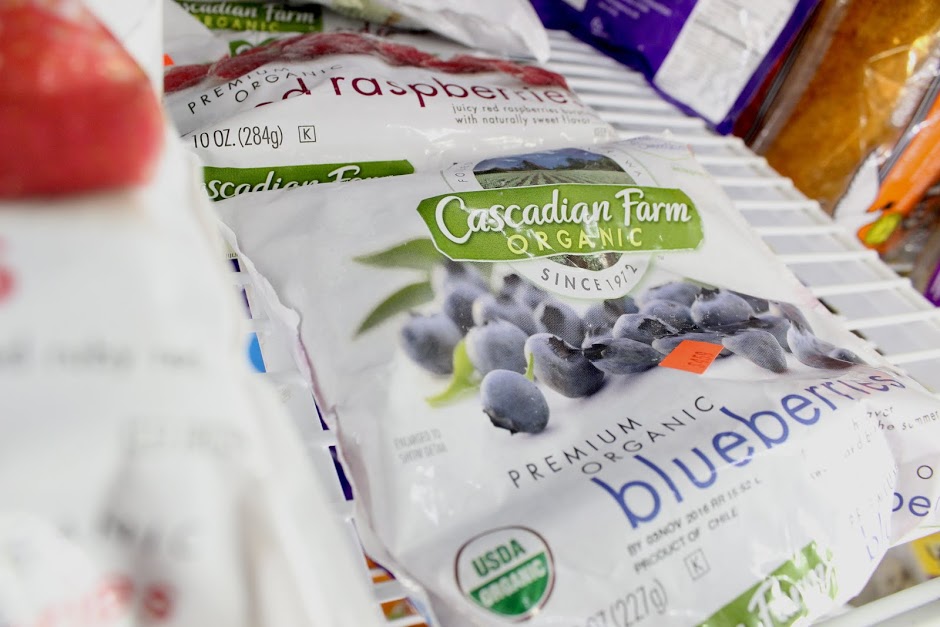
If you are lactose intolerant or just enjoy a non-dairy alternative to milk, this could help you slash your organic food expenses. For a reference point, a 32 oz. carton of Rice Dream would normally cost you around $3.22. You can easily find Lundberg’s Short Grain Brown Rice for about $2.30/lb in the bulk section of most health food stores, and this will yield much more than 32 oz. of rice milk. Believe it or not, that is pretty much all you need for quality rice milk. There are many recipes out there and I encourage you to check them out. Also, have no fear of being creative and adding new flavours or sweeteners to suit your needs. I like this recipe a lot because toasting the brown rice adds a nice touch to the end product. Enjoy!
2b. DIY Organic Tortillas
Photo courtesy of Olivia Ramirez
Now, if you are someone who buys packs of tortillas at a time, you may be surprised to know that you could be getting an organic version of this product for a pretty low price. Although companies like Mi Rachito have nearly perfected the art of packaged organic tortillas for around $3.00/bag, each containing around 7-12 tortillas, nothing beats the price and flavour of homemade corn tortillas. You can buy Organic Masa Harina to make your own for anywhere between $3-7.00/lb depending on purchasing quantity. One pound of masa harina will yield anywhere between 15-20 tortillas. So, if you want to impress your friends (or yourself) and make delicious, low cost organic tortillas, make your own with a recipe like this one!
3. Buy “Secondary Cuts” from Local Butcher
Instead of buying pre-cut chicken breast or thighs, save money by buying the whole carcass. It is not hard to take the extra 30 seconds to cut off the wings or breast yourself. Plus, you can explore making soups and stocks with leftover bones and undesirable parts of the animal. For Secondary red meat cuts, check out this link for more info.
Photo courtesy of Olivia Ramirez
4. Use your Freezer/Pickle Things
If you have extra food that may go bad, freeze it. Also, if you have produce that might not be disgusting pickled, learn how to pickle it. It may be a fun activity for family or friends.
5. Buy in Bulk/Buy Local
This should be obvious to everyone, but I will explain it anyway. Usually, the more of something you buy, the cheaper per pound it will be, so you can save there.
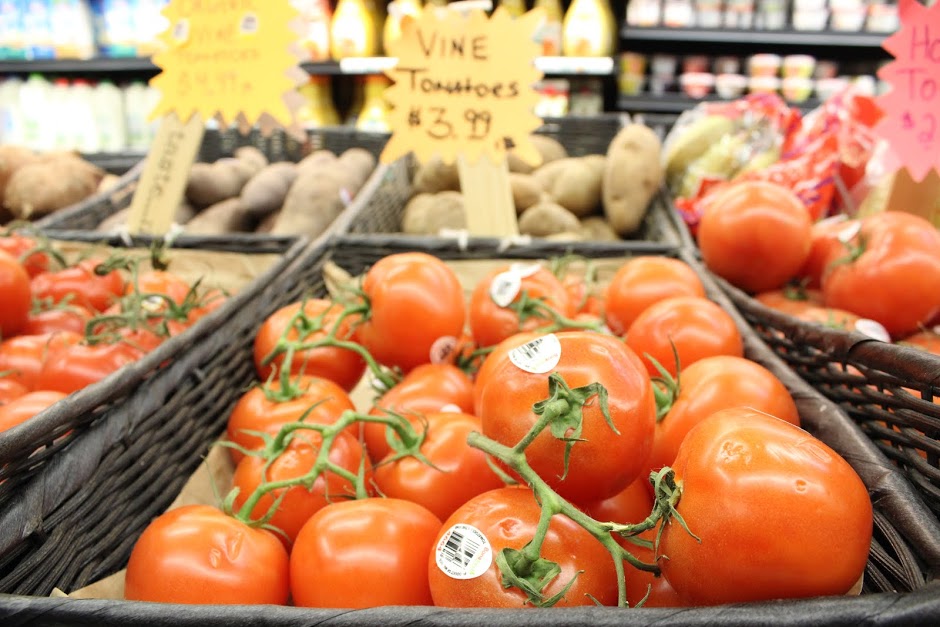
Also, try to buy seasonal vegetables, nuts and fruit in bulk as well.Often times, especially in the summer, certain crops like heirloom tomatoes will be significantly cheaper than they are in the winter since they thrive in the heat and don’t have to be grown indoors or shipped across the globe to get to you. Stock up on those items while they are in season if you like saving money and eating nutritious, earth-friendly food. You can always make something out of excess seasonal food and freeze it for later or for winter.
I hope this helps some of you slash your organic food bill. If you have comments or questions, please let us know! Until next time. Stay Green!
 Be Kind to Animals, Don’t Be Cruel, Eat Your Veggies. All these phrases come together on this week’s program, as we celebrate vegetarian cuisine and cruelty free living at the New York City Vegetarian Food Festival. We spoke with Zoe Weil, Co-founder and president of the Institute for Humane Education, Nora Kramer, Founder and Executive Director of YEA (Youth Empowerment Action) Camp, Annie Hauck Lawson, Founder of Brooklyn Mompost, Susan Hargreaves, Founder of Animal Hero Kids, and Isis Phillips, Executive Director of Indy Kids. It was a pleasure speaking with all this dynamic and amazing women, who do so much to make the world a better place. For more information on these organizations go to humaneeducation.org, solutionaryschoolnyc.org, yeacamp.org, brooklynmompost.org, animalherokids.org, indykids.org and nycvegfoodfest.com
 Meditating on a mountaintop never did it for me. I’ve been there. Climbed high; stretched my arms out; and reached for the sun on the horizon. Then, I’d turn around and realized I’d have to go down. The search for the ideal, whole, simple life would have to continue after the vacation ended. Life called me back into the hectic fold.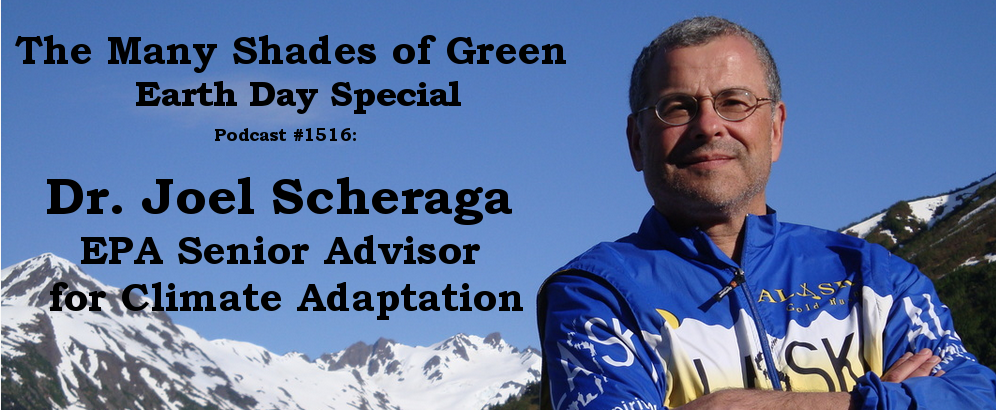
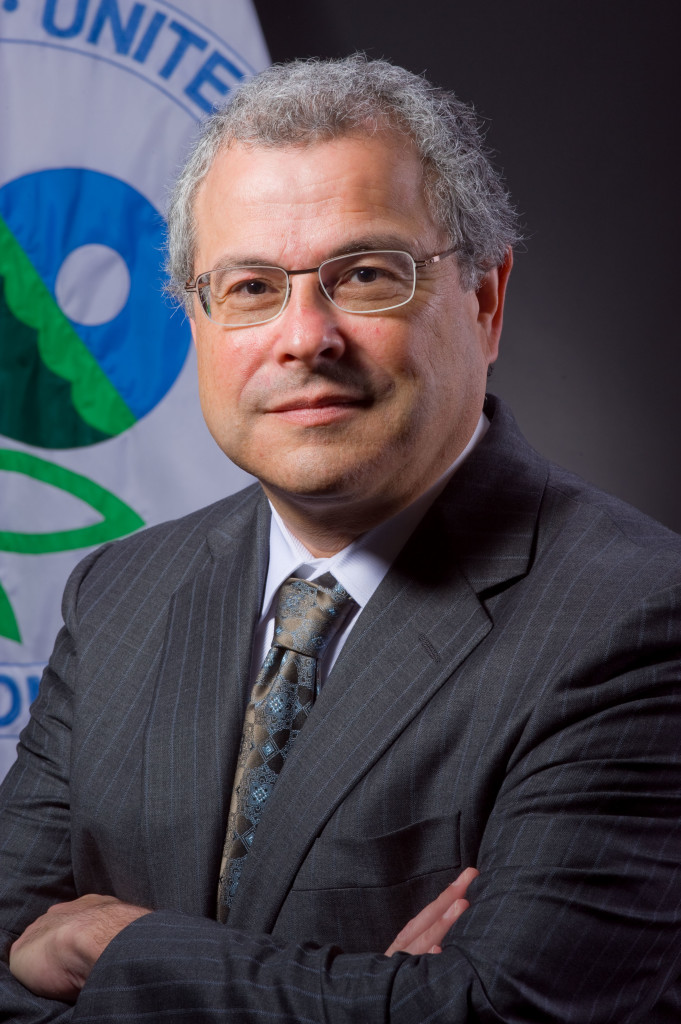 The First Earth Day took place on April 22,1970 and on this week’s episode, we celebrate the 45th Anniversary of Earth Day, as well as the 45th year of the EPA, with special guest, Dr. Joel Scheraga, Senior Advisor for Climate Adaptation at the U.S. Environmental Protection Agency. The climate is changing, and we have to adapt to the results of those changes, which are coming in the form of more intense weather, super storms, droughts, pollution, and an increase in greenhouse gas emissions. The change in climate is causing the oceans to get warmer, and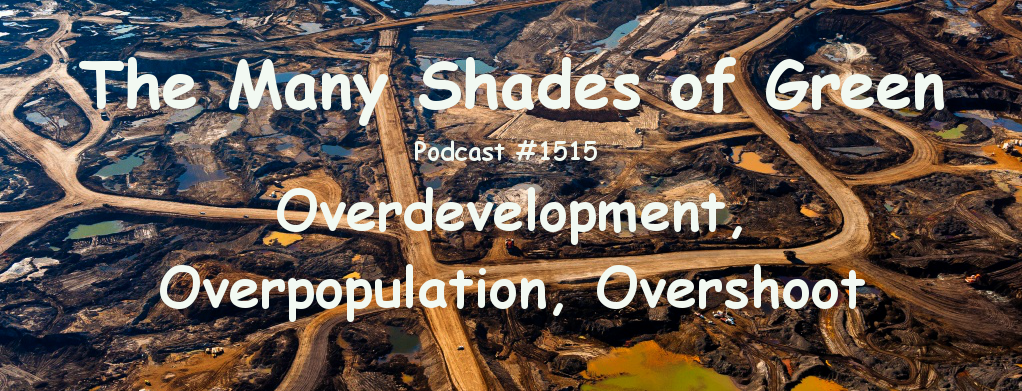
 Overdevelopment, Overpopulation, Overshoot – Tom Butler’s new large format coffee table book, tells the story of how population increase, and the rise of the industrial complex, has led to social, economic and environmental problems world wide. The phrase ” a picture’s worth a thousand words” is most evident in the photos taken during this three year journey to expose man’s quest to dominate the planet, and leave sprawl, over growth, disease and destruction in its path. We over indulge, over-plug, and over saturate this beautiful planet, with blatant di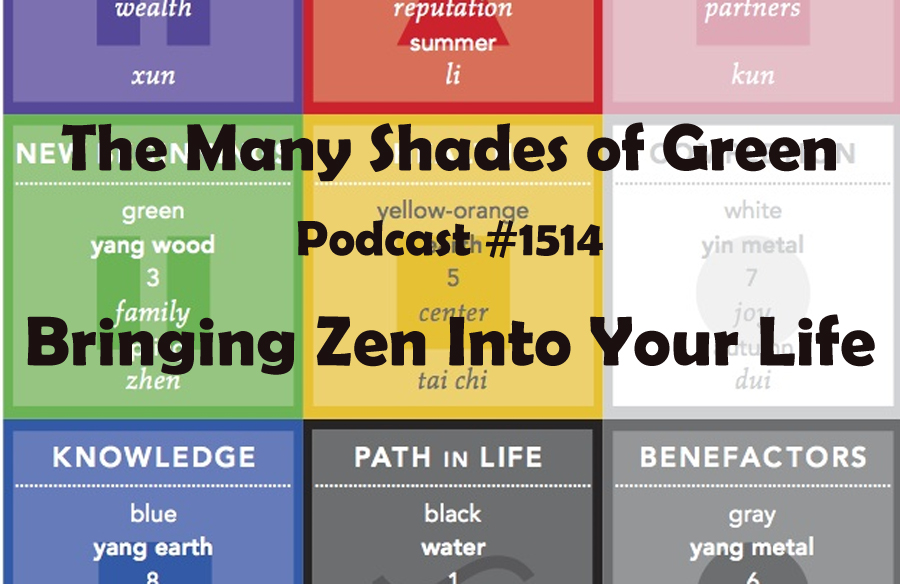
 The Clearwater Festival was like stepping into a time warp and re-living moments of Peace, Love and Understanding through music, activism and innovation. It was wonderful to roam the festival grounds at Croton Point Park with my co-producer Abba Carmichael, my sound engineer Brian Horowitz, and summer research assistant Marco Spodek. We met and chatted with wonderful musical artists Dar Williams, Tom Chapin and more. The festival was dedicated to the late and legendary, Pete Seeger, who was the original founder of the festival. Various versions of the song Wimoweh/The Lion Sleeps Tonight, a song near and dear to me, filled the air throughout the day. I highly recommend attending the festival, so check out
 By
By 
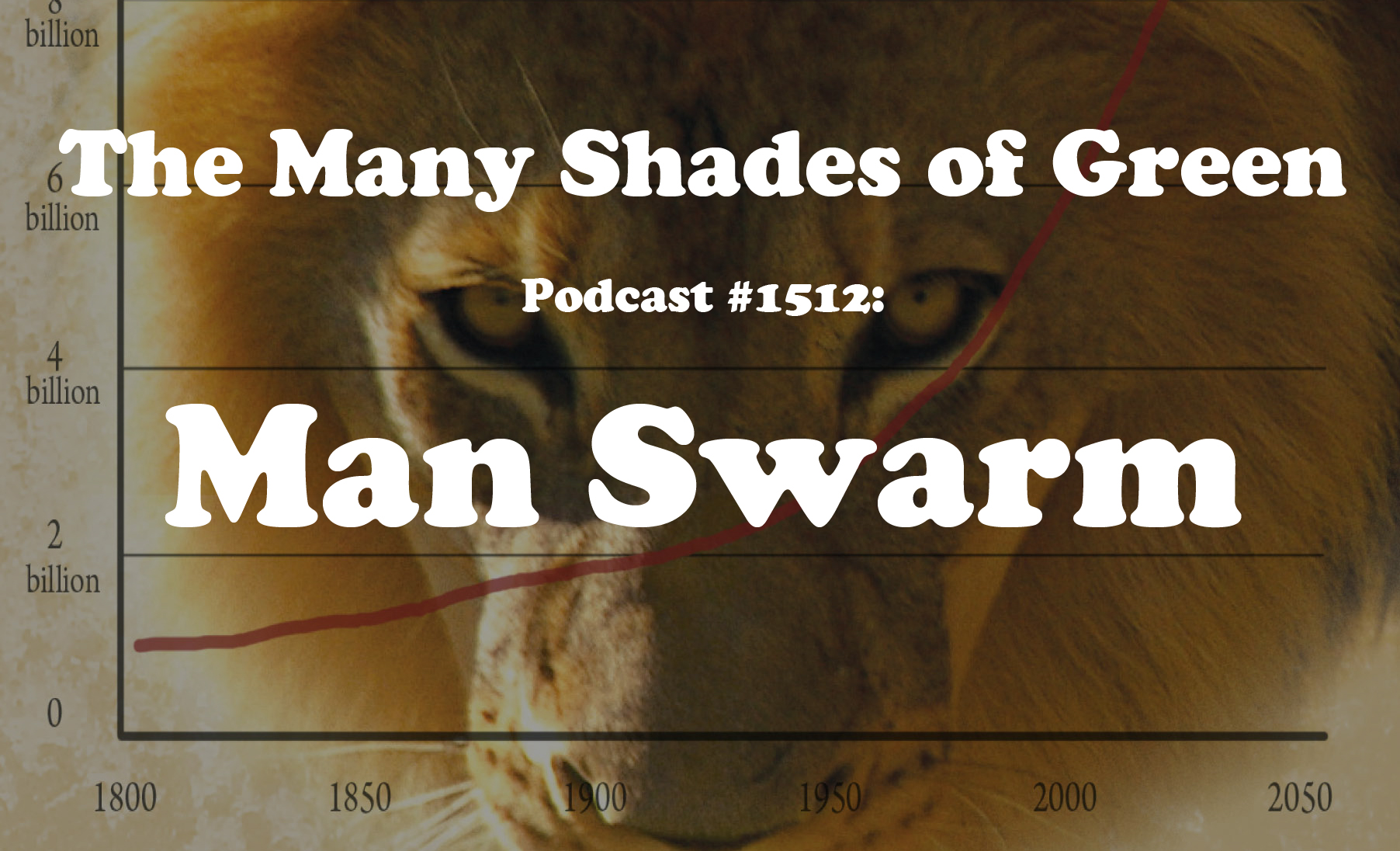
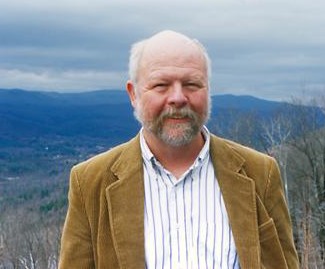 What comes first, the Earth or Earthlings? There are a lot of us humans on the planet, and we have to start thinking about keeping our numbers down. Join me and my guest Dave Foreman, activist, author, and founder of Earth First!, the Wildlands Project, and the Rewilding Institute, as we discuss his latest work, a new revised of edition of his popular title, MAN SWARM: How Overpopulation is Killing the Wild World, which is co-authored with Laura Carroll, author of The Baby Matrix. Population is one factor in the environmental degradation of the planet. Should there be a one child policy in the US or should we stop having babies altogether? What can be done to solve this problem? Tune in to find out. For more information go to
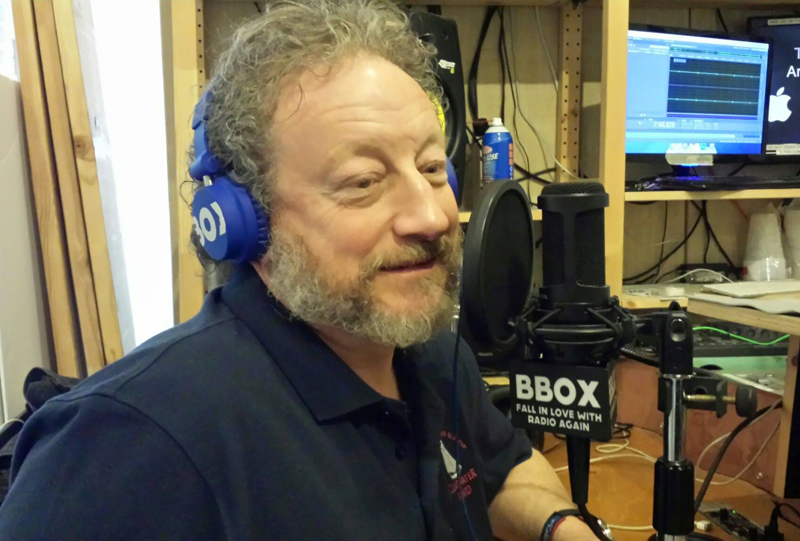 “We are keepers of the planet, we are protectors of the water, the land, the air.” Join me and my guest Don Raskopf, a member of the Board of Directors for Clearwater, and co-founder of Ban Fracking Now, as we delve into topics of fracking, train transportation of bakken crude oil, green building and the musical connection to Clearwater via one its founders, Pete Seeger. Music continues to be the message, as it is the force behind social movement and activism. For more information about Clearwater and the upcoming Clearwater Festival go to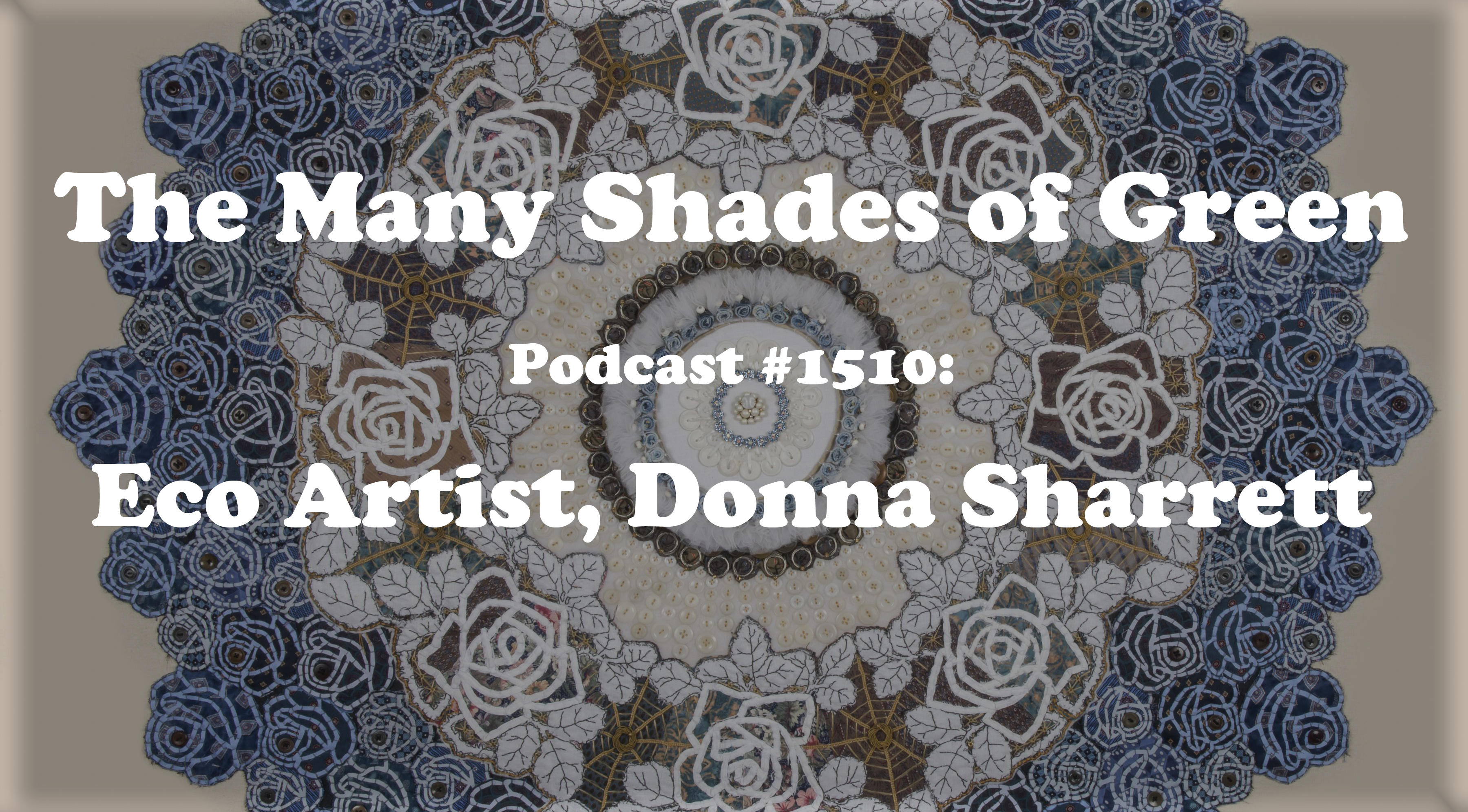
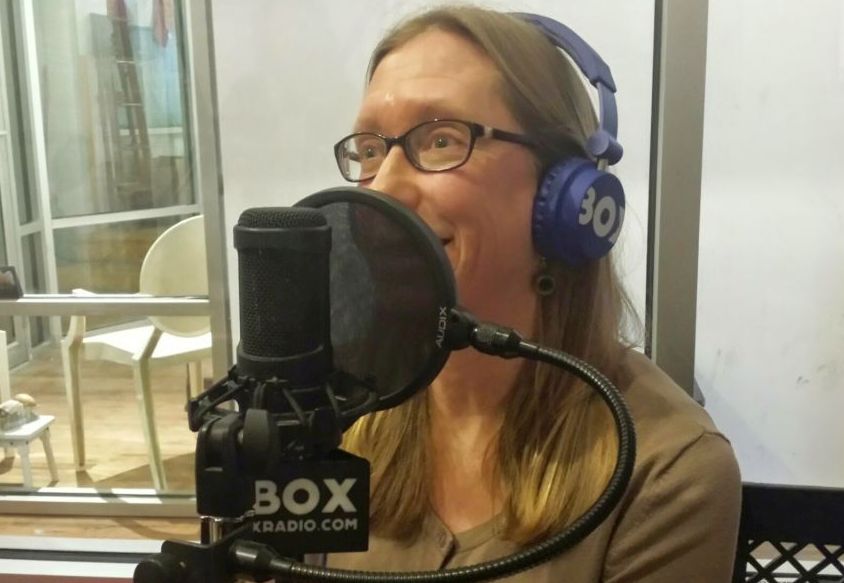 My guest this week is the multi-talented artist Donna Sharrett, whose most recent exhibit, Love Songs, captivated art lovers with a beautifully crafted array of pieces that were intricately assembled using materials donated and re-used. This collection of artwork was formed from Donna’s memories, as she re-used fabric, jewelry, dirt, guitar strings and other items to create these beautiful pieces. We also talk about how Patti Smith was in some small way part of the exhibit via her song, Dancing Barefoot. Donna is also a master gardener and started the Community Garden in Ossining, NY. Art and the environment are interconnected, and Donna is a prime example how that connection is made. For more information go to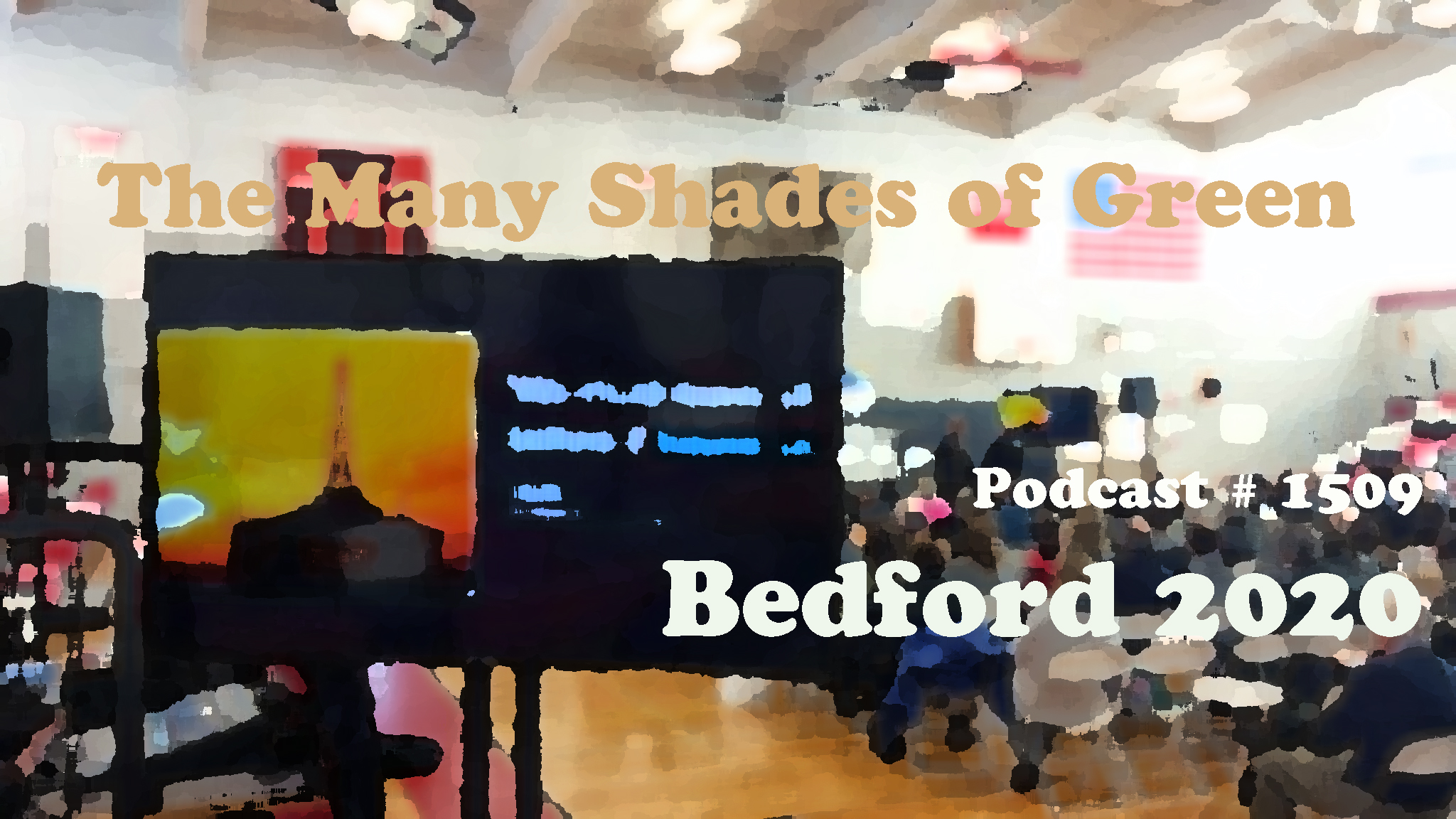
 This week’s program takes place at the Bedford 2020 Summit and Solar Action Day. We spoke to Andrew Revkin, writer of the Dot Earth Blog for the New York Times, as well as Peter Olmsted, East Coast Regional Director for Vote Solar. We also spoke to Mayor Michael Cindrich of Mt. Kisco, NY about the solar projects on his agenda. Keynote Speaker Amory Lovins, of The Rocky Mountain Institute, spoke about new energy technologies that are on the horizon for the future of electricity. It was a gathering of innovators, educators and community, all working to promote solar and other renewable energy, in an effort to help create actionable solutions to green house gas emissions. A special thank you to Heather Flournoy for her hard work and hospitality. For more information go to