By Susan Lutz
Forests are dying. Polar bears starving, ice caps shrinking. The list grows. We’ve spent a lifetime stomping on the planet and now world leaders gather in the hopes of finding a solution before we hit the tipping point. Can we pull back? Can we save ourselves?
I read positive stories: a community garden in Haiti becomes a center of growth and revitalization; the price of solar power is dropping fast and becoming an extremely viable alternative energy source; climate adapted strategies are manifesting and working to stabilize wildlife. Around towns, I see trees being planted, youth conversing about important issues. This is great. And there are many more examples of success and ideas which are moving us forward.
Yet, I read bad news, too: the UK starts to cut millions of dollars from its renewable resources; the threat of disease increases due to insects gaining the ability to live longer and travel farther; the sea level is rising; and of course, we’ve all seen the pictures of the polar bears starving. Some days, it’s hard to read the news. Some days it does seem like we’re just going to tip over and sink.
I recently heard a lecture on the cause and effect of our actions and the impact our choices have on climate change. The most interesting, and most powerful, I thought, was this: What are we willing to give up? In this country, the majority of cars during rush hour consist of single drivers. Bottled water and soda fill our vending machines, and we don’t give a second thought to the short pleasure we get versus the amount of toxins in each bottle. We like our stuff. We like our creams, cars, deals online, new phones, and processed, over-packaged foods.
The summit on climate change brings together world leaders. The model of coming together to talk; understanding our differences; taking note of those suffering the most; and, moving forward with dialogue. Regardless of how difficult the task is, it is one we must implement from the highest of offices to the grass-roots level.
We wait too long to act. We wait to change gun laws until terror steps into our cafes (if even then). We wait to ban trophy hunting and poaching and watch as species become threatened and face habitat loss and even become extinct. We’re slowly melting under the take-the-money-and-run philosophy of getting what we need, now, and forgetting how it will hurt us in the future.
When my son picked up an acorn the other day, he thought it was the grandest of discoveries. I held it up and told him it was amazing. We carried it with us as if it were a piece of gold. Our food supply, our land, our water – they truly are gold. We must realize this now, or we will watch as the world melts and slowly slips away.
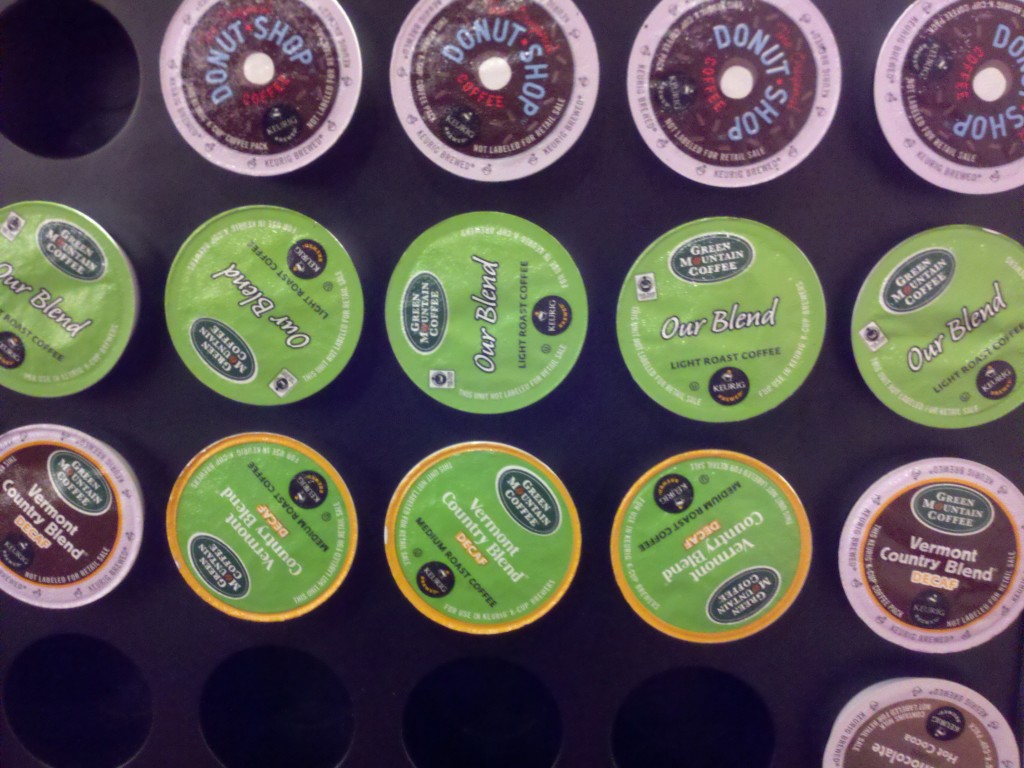
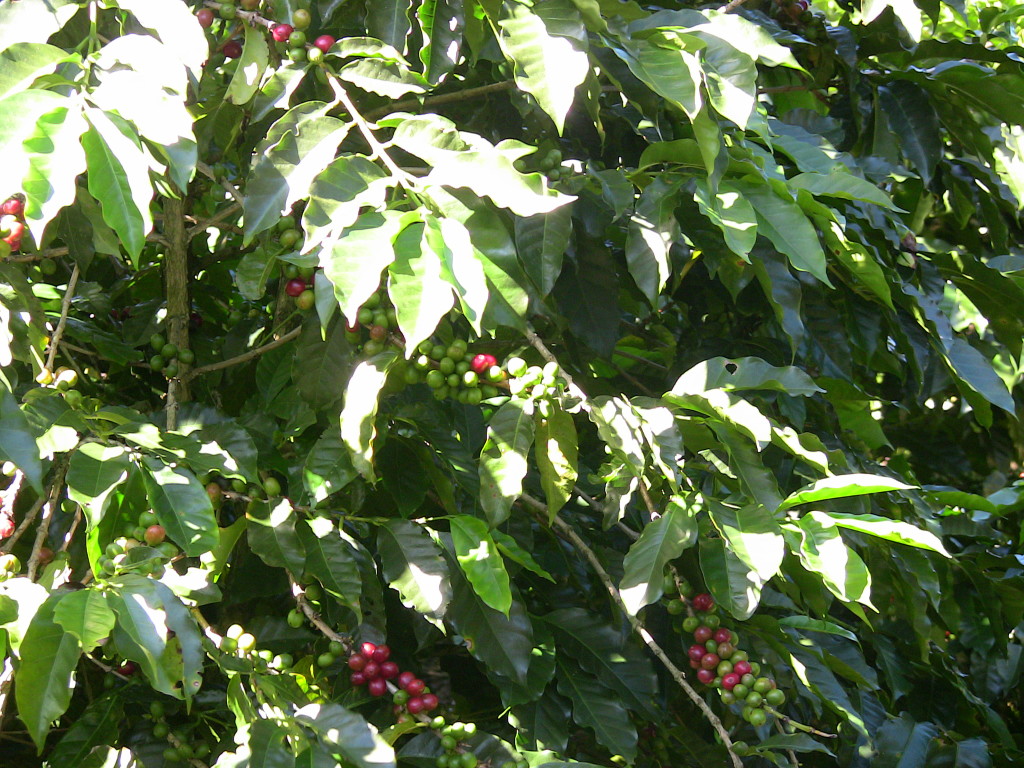 luxury. But, I lived in Central America where most things are luxuries, including roofs that don’t leak and enough food to feed a family.
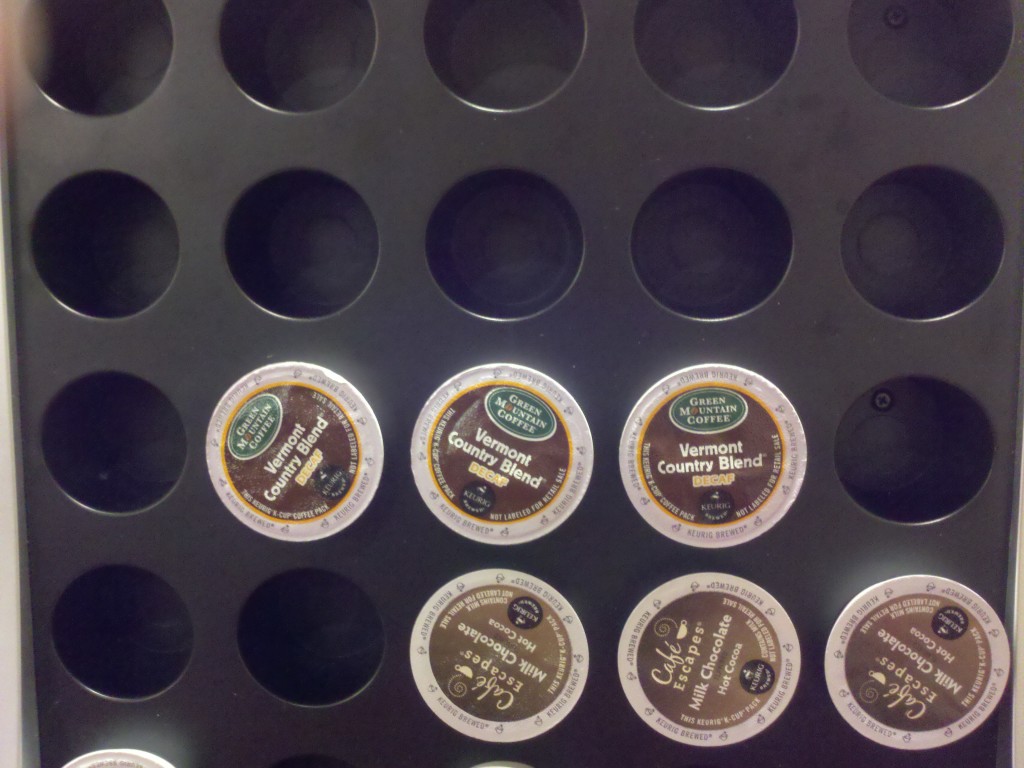 9 billion x 5 = 45 billion little, useless plastic cups filling up our needs to get something quick, fast, and with no regard for others. Getting the k-cup recyclable is, in this day and age, a non-negotiable item. But why after the fact? Why not create the product with some consciousness before the damage is done? Did Kevin Sullivan ever hear of climate change? We cause climate change in every choice we make. It’s not just the billowing smoke from factory smoke stacks. It’s us, our decisions to use or reuse or to choose sustainable with our spending power. There’s plenty of other single serving machines out there that cost the same or less than the Keurig coffee system. Are we that tight for time we can’t spend another minute tamping down a bit of coffee in a reusable machine?
 According the the Center for Disease Control and Prevention, childhood obesity has more than doubled in children and quadrupled in adolescents within the past 30 years. Enter the National Farm to School Network, which is working to bring local, fresh foods to school across the U.S., in an effort to reduce obesity, and bring healthy food choices to cafeteria menus. My guest this week is Jaime Lockwood, Development Director at the Farm to School Network, which helps connect local farmers with schools, chefs to cafeterias, and students to gardens. We talk about the importance of the Farm to School Act of 2015, and discuss how chefs inspire healthy eating, environmental awareness, and fitness via
 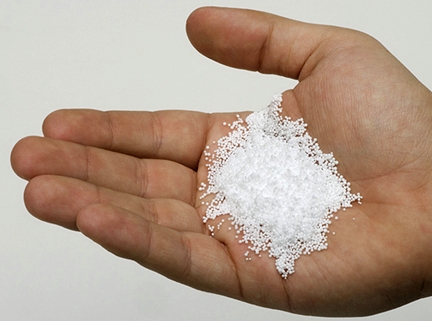 Scrub some natural face cleanser on at the end of the day. Feels wonderful. A shea butter body cream can only be good, right? Read the ingredients. Many of the cosmetics on the shelf today contain microbeads. What’s a microbead? I hadn’t heard of them either. Yet, they are now so proliferate in many of the products we use, approximately 69 NGOs from 33 countries are supporting the campaign to end the use of the microbead, according to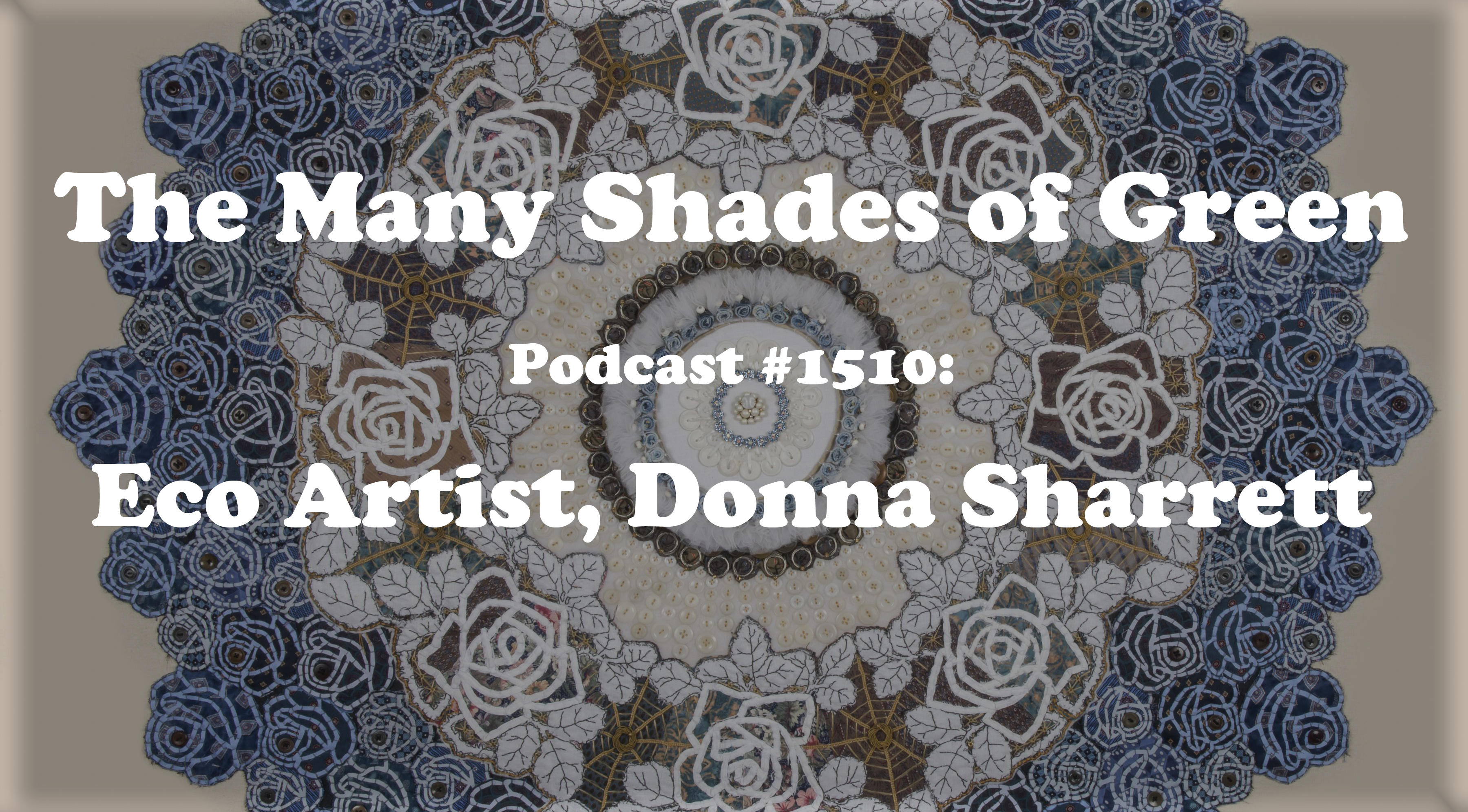
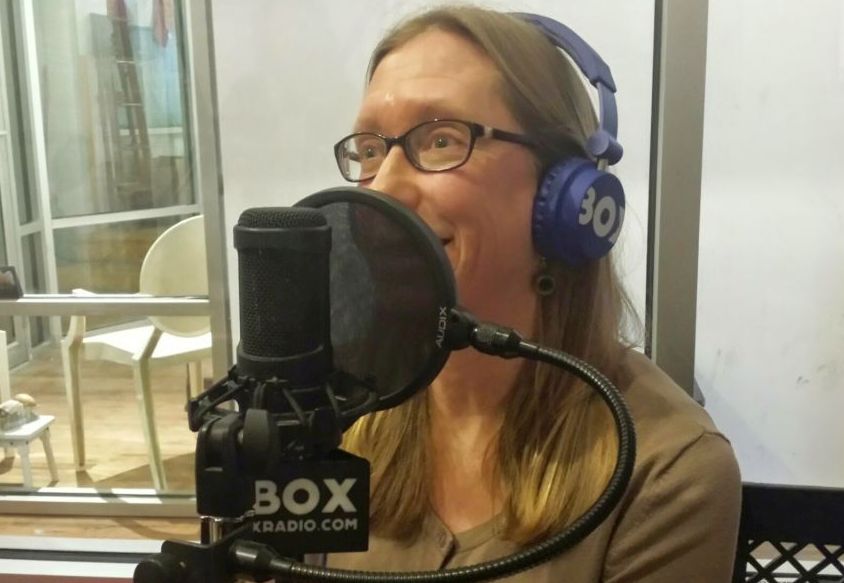 My guest this week is the multi-talented artist Donna Sharrett, whose most recent exhibit, Love Songs, captivated art lovers with a beautifully crafted array of pieces that were intricately assembled using materials donated and re-used. This collection of artwork was formed from Donna’s memories, as she re-used fabric, jewelry, dirt, guitar strings and other items to create these beautiful pieces. We also talk about how Patti Smith was in some small way part of the exhibit via her song, Dancing Barefoot. Donna is also a master gardener and started the Community Garden in Ossining, NY. Art and the environment are interconnected, and Donna is a prime example how that connection is made. For more information go to
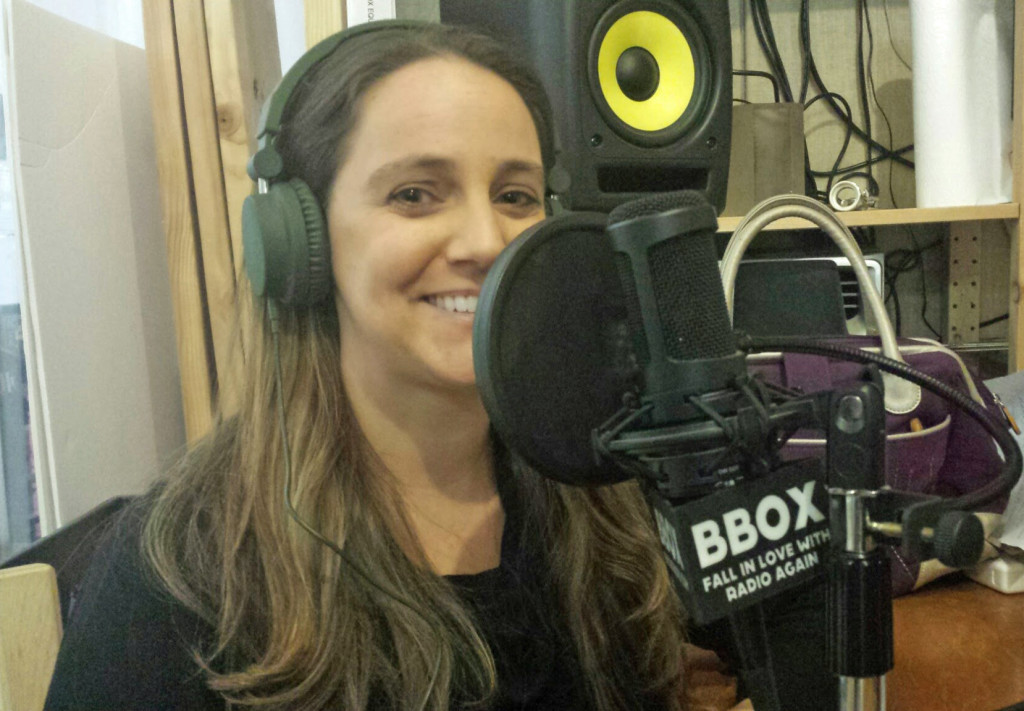 My guest this week is Robyn Moore, creator of RaisingVegKids.com and Family Coordinator for Education for the Solutionary School, which is set to open in NYC in 2016. Education is the key to preparing students to be more ethical and humane, as our culture needs to create problem solvers and thinkers. Part of that process is teaching children and their parents to be stewards of the planet, and to eat a cleaner, more plant based diet, which will lead to a healthier society. Whether vegan, vegetarian, or paleo, balance is an essential part of eating and living. For more information go to
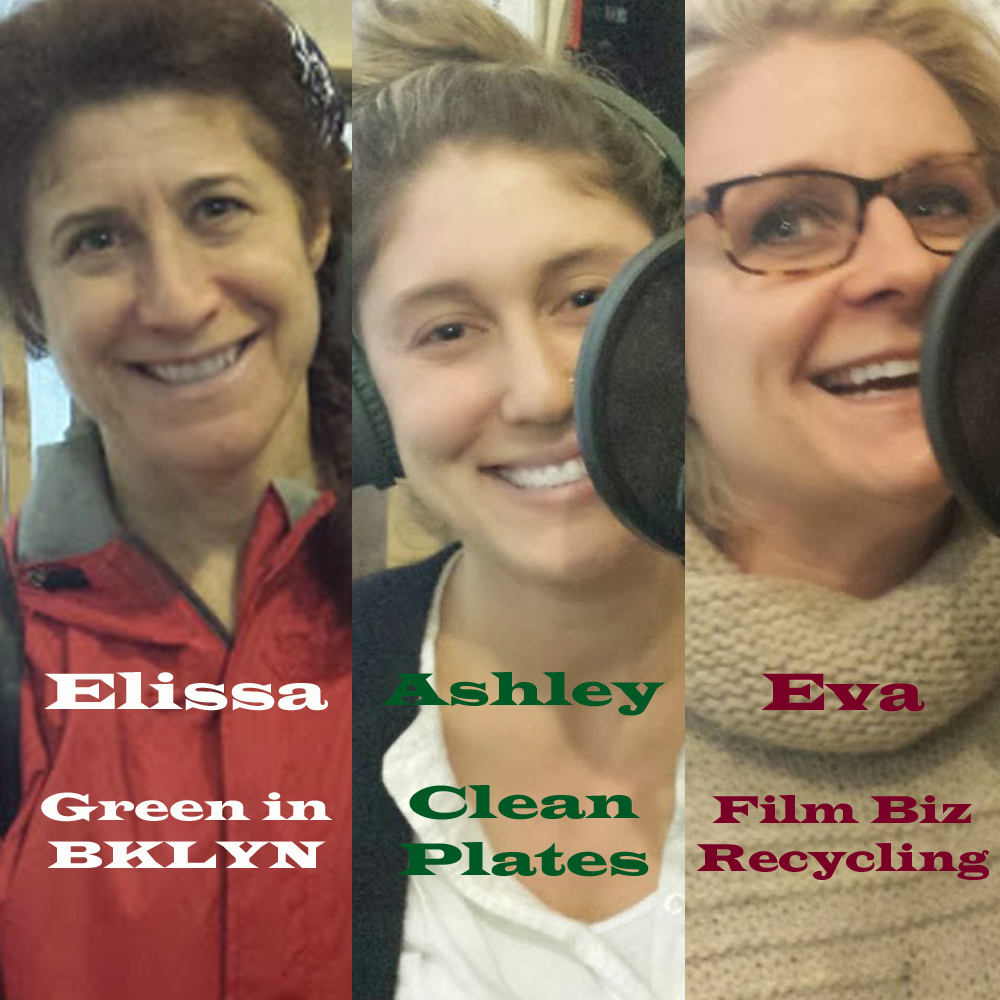
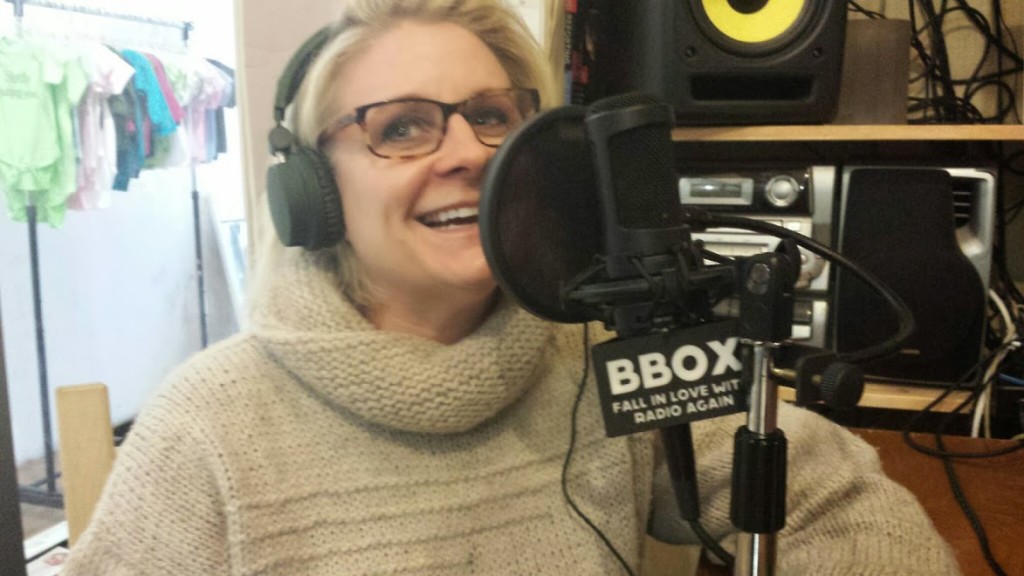 We welcome back friend of the show, and a super green human, Eva Radke, founder of Film Biz Recycling, an organization that diverts set materials from film, television and theatre, and recycles, reuses, redistributes and re-purposes those items. “Not in a Dumpster” is the mantra of Film Biz Recycling, and there are exciting new projects which are on the horizon for the coming year. The prop shop is a great place to find clothes, furniture and collectibles that have been used to dress sets such as 30 Rock, Gossip Girls, The Amazing Spiderman 2 and many more. To find out all the great things
 By
By 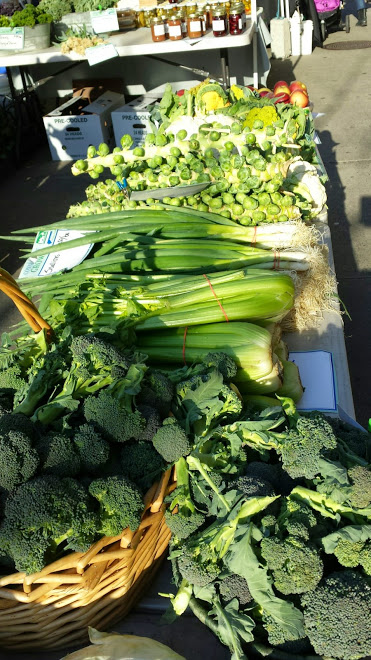 Long story short, America’s reckless agricultural techniques and lack of quality governmental oversight has created a situation in which Americans are falsely assured by their own government about the safety of their food. It is a situation that still has its solutions though. What we need is mass education which will contribute to a snowballing in consumer awareness about the importance of the local and sustainable food movement. It has started to take hold around the world but with EVERONE’S help, we will begin to change. Their have been sparks of change so far, but we need to keep the passion strong to get the fire roaring. As we eat locally and buy from small farms, food becomes much healthier, less mysterious, and more tasty. While food transportation costs and emissions are reduced, air becomes cleaner in cities and communities become stronger through community farms and other
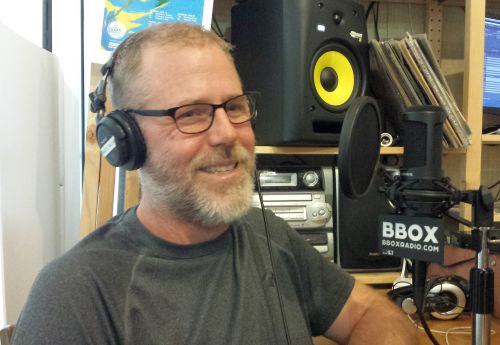 A river runs through it, and it is up on the roof. Tune in to find out how my guest Gennaro Brooks-Church, Director of EcoBrooklyn, created a river on a roof, which uses gray water and rain water filtration systems to cut down on water use, while creating a beautiful waterscape. We also discuss ways to keep your home more energy efficient, by using less waste, via reusable materials and installing passive heating and cooling systems. Water is a precious commodity, and we talk about the sewage/water issues affecting the neighborhoods closest to the Gowanus Canal. Gennaro is building green to keep his “Build It Forward” mantra alive for future generations. For more info go to www.ecobrooklyn.com
 Americans do not recycle enough and landfills are clogged with unnecessary waste. Enter Recyclebank, a model company that rewards towns, businesses and individuals for increasing