
Plastic production is warming the planet and is expected to double in the next 20 years. Plastic is made from fossil fuels and contains 16,000 chemicals, many of them known to be harmful to humans and even more untested for their safety. Most plastics are made out of ethane, a byproduct of fracking. In 2020, plastic’s climate impacts amounted to the equivalent of nearly 49 million cars on the road, according to a conservative estimate by Material Research L3C. And that’s not including the carbon footprint associated with disposing of plastic. Our oceans have become a plastic dumping site with plastic pollution impacting whales, turtles, fish, dolphins and countless other marine species and habitats. It is on beaches, coastlines, and in lakes, rivers, as well as on land and in the air. Plastic has melded into rocks which is now called Plastistones, a newly recognized type of sedimentary rock that incorporates plastic within their structure. They are essentially “rocks” formed from plastic waste, often found in coastal areas or places where there’s a high concentration of plastic debris. There are micro plastics in the human body and in wildlife. While we all love the Prince tune Purple Rain, we need to find out what’s in ‘Plastic Rain’. Our lives are inundated with plastic, from shampoo bottles to shower curtains. There are micro plastics in toothpaste, plastic utensils, tea bags, bottled water and gum to name a few. How do we stop the proliferation of plastics in manufacturing and what can we do to take action to reduce plastic use? Joining us on this episode of TMSOG is Alexis Goldsmith, National Organizing Director of Beyond Plastics. We talk about how plastic affects climate and health, and we discuss legislation in New York (the Packaging Reduction and Recycling Infrastructure Act) which is being worked on to reduce plastic packaging and the Bigger Better Bottle Bill which will increase the beverage container deposit fee from 5 cents to 10 cents.
We must take actions on an individual level to stop using single plastic bottles and other items, especially when it comes to using plastic pouches of baby food to feed our infants and toddlers. Those items used to be in glass containers, and the companies producing baby food should go back to that method of packaging. Please support the Packaging Reduction and Recycling Infrastructure Act in New York State. In the words of Alexis Goldsmith “Imagine the world you want to see, connect to an organization or community group to take action. The act of trying is empowering.” For more information go to https://www.beyondplastics.org/
Also go to the following organizations to get info and donate https://www.ucs.org/ (Union of Concerned Scientists help scientists continue their valuable work). If you want to help protect the environment please donate to https://earthjustice.org/ You can also donate to help lawyers defend our constitution by going to https://www.aclu.org/ and the Brennan Center for Justice https://www.brennancenter.org/
To listen to past TMSOG shows go to: https://hudsonriverradio.com/ and https://malcolmpresents.com Follow The Many Shades of Green on FB, Threads and Instagram @tmshadesofgreen and on Blue Sky @tmshadesofgreen.bsky.social. Listen to TMSOG podcasts on all major podcast apps.#RaiseYourEco&SocialConsciousness
A Special shout out to Neil Richter for all of his help and engineering wizardry in getting TMSOG up and running each week.


 Meet Emellie O’Brien, founder of Earth Angel, a company that provides sustainability management of film and TV productions. Emellie is a pioneer in this burgeoning field, as she coaxes everyone on the set, from directors to grips, to be more eco-conscious. She has worked on the films Noah and The Amazing Spiderman 2, as well as the hit HBO show Girls. To find out more about Earth Angel visit
 Mark Jupiter hand crafts furniture from salvaged wood and other items found in and around NYC. We discuss how he gathered downed trees from the Brooklyn Tornado of 2011 and turned them into beautiful furniture. He is a true practitioner of the phrase “reduce, reuse and recycle”. He also is the founder of New World Home, which produces an award winning line of green fabricated homes. Visit Mark at his studio and showroom in Dumbo, Brooklyn and go to his website www.markjupiter.com to get more information on his custom crafted furnishings.
 Dal LaMagna, CEO of Icestone USA, explains how the unity of his staff helped save his company after Hurricane Sandy left his factory at the Brooklyn Navy Yard in shambles. Dal, who also founded the company Tweezerman, practices Responsible Capitalism, which incorporates employees into the decision practices of the company, as well as making sure they have good wages and healthcare. We also talk about the benefits of being a B Corporation. It’s good to be socially responsible, and Dal LaMagna is leading the way.
 Join TMSOG in a discussion with Syd Mandelbaum of Rock and Wrap it Up as we talk about the musicians who participate to help feed the hungry by donating food left over, but not served at concert events. Some of the artists include Phish, The Rolling Stones, Aerosmith and more. We also talk about the Hotel and College Wrap programs. Tune in to find out how one person’s vision has helped feed millions of people, as well as reduce waste that clogs our landfills, thus reducing greenhouse gas emissions. Visit www.rockandwrapitup.org for more information.
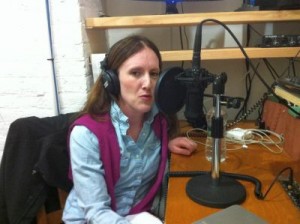

 Syd Mandelbaum and I discuss hunger and poverty issues that affect 50 million Americans each day. We also delve into the Rock and Wrap It Up program called Sports Wrap, and the upcoming event at Citi Field on April 23rd at 6pm, as the New York Mets and ARAMARK are honored recipients of the Lena and Joseph Mandelbaum Humanitarian Award for their service to help feed the hungry. Go to www.rockandwrapitup.org for more information.

 Friend of the show Eva Radke, founder of Film Biz Recycling,