
 “Here comes the sun, here comes the sun and I say, it’s alright.” – George Harrison
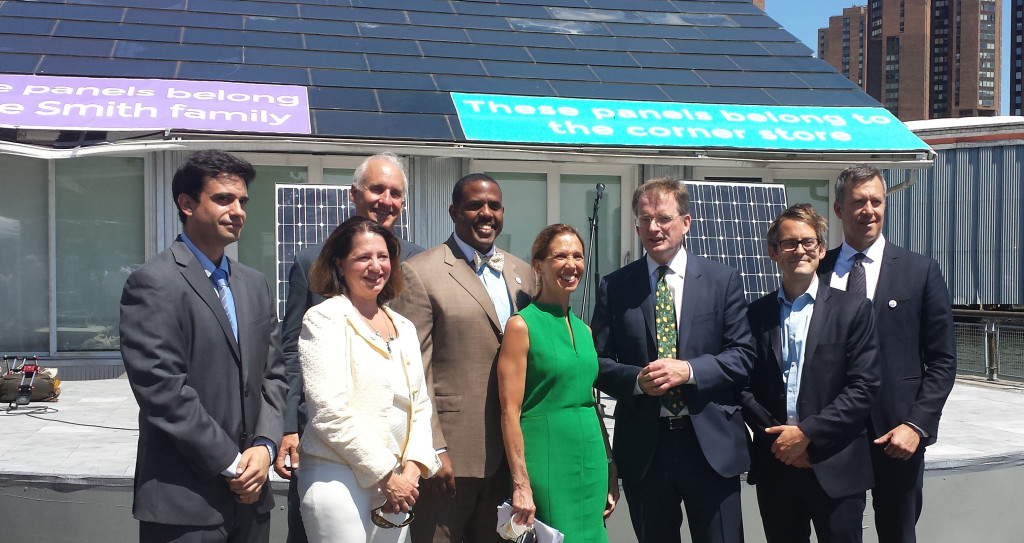
New York State is committed to achieve 50% renewable energy by the year 2030. The Shared Renewable Program is part of that push, and Governor Cuomo recently stated that “this program is about protecting the environment and ensuring that all New Yorkers, regardless of their zip code or income, have the opportunity to access clean and affordable power.” This week’s show takes us to the #Solar4All Community Celebration sponsored by Solar One and Vote Solar. We heard from the NYS Energy Czar Richard Kaufman, as well as many other New York elected officials, who have worked to get this program off the ground. We spoke to Peter Olmsted and Adam Browning of Vote Solar, who are instrumental is developing policy for solar projects in New York, and beyond. We also spoke to Elana Laichena, Program Manager for Here Comes Solar, a project of Solar One, which promotes many solar initiatives. The Shared Renewable Program will help improve neighborhood health, resiliency and create opportunity, as renters, businesses, and homeowners will be able to participate in renewable energy projects, and receive tax credits on their utility bills. For more information go to votesolar.org, herecomessolar.nyc and sharedrenewables.org
#1529: Going solar, baby! by The Many Shades Of Green on Mixcloud
 According the the Center for Disease Control and Prevention, childhood obesity has more than doubled in children and quadrupled in adolescents within the past 30 years. Enter the National Farm to School Network, which is working to bring local, fresh foods to school across the U.S., in an effort to reduce obesity, and bring healthy food choices to cafeteria menus. My guest this week is Jaime Lockwood, Development Director at the Farm to School Network, which helps connect local farmers with schools, chefs to cafeterias, and students to gardens. We talk about the importance of the Farm to School Act of 2015, and discuss how chefs inspire healthy eating, environmental awareness, and fitness via
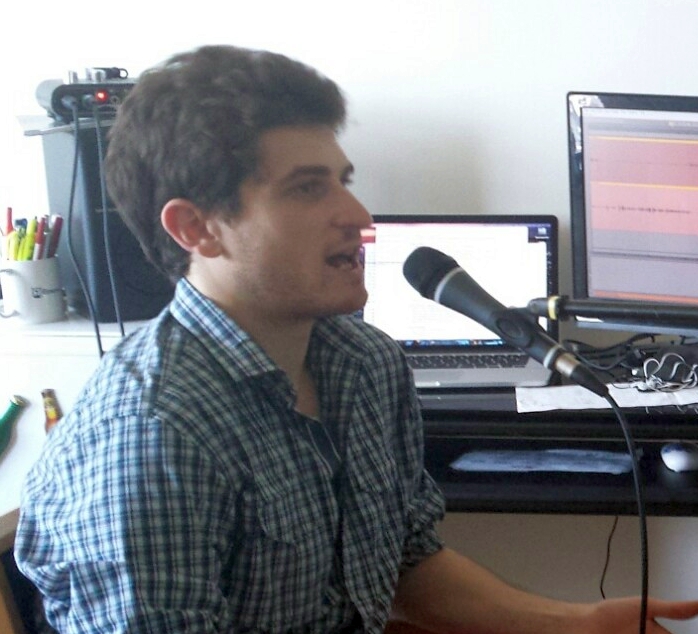 Why are environmental regulations important in helping reduce greenhouse gas emissions? The Clean Air Act and the Clean Power Standard Rule have been put into place to keep the air, land and water safe, in order to reduce the negative health effects of pollutants. Join me and my special guest, Elon D. Rubin, Esq., Environmental lawyer, entrepreneur, techie, musician and most importantly my awesome son, as we talk about the environmental regulatory process, and how citizens can participate in the process. The climate is changing, and we must be proactive in being resilient and adaptive to current and future climate challenges. For more information visit Edrlaw.com and epa.gov.
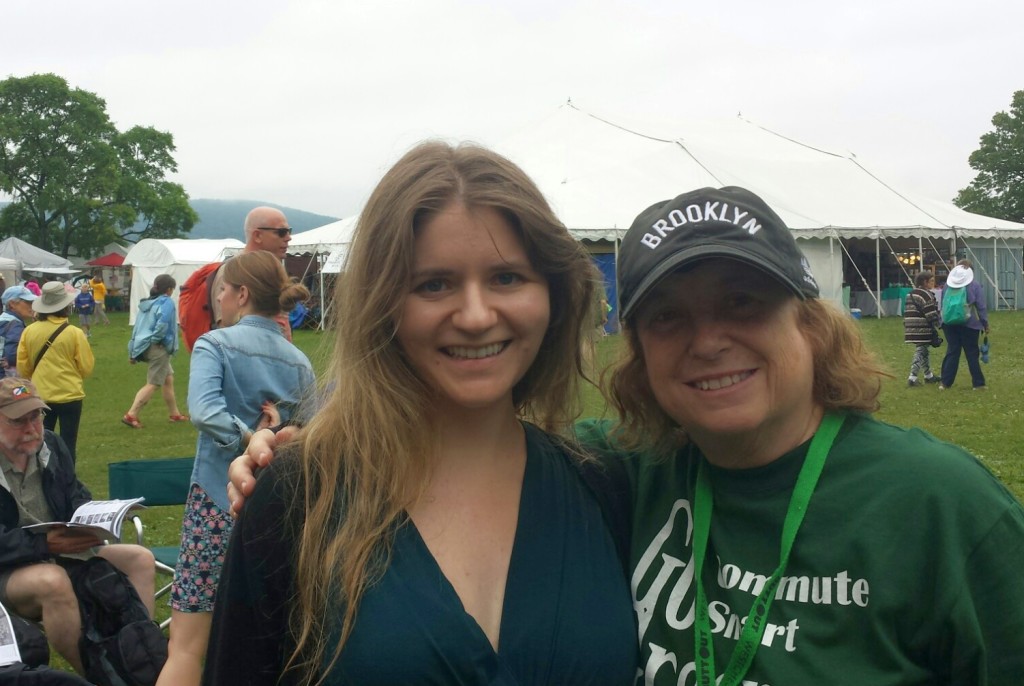 Neither rain, nor fog, nor soggy dew could dampen the spirit of the Clearwater 2015 Festival. We spoke to many environmental activists and green entrepreneurs who are creating ideas, and spreading the message about the need to be proactive stewards of Mother Earth. Music echoed throughout the festival, with many performers motivating the populace to take a stand and raise their voices on environmental and social justice issues. Music icon David Crosby, sang new songs with lyrics that commented on the nation’s current state of affairs, and implored people to email, call or show up at the offices of their elected officials and make some noise. Pete Seeger would have been proud to see his vision perpetuated. For more info go to
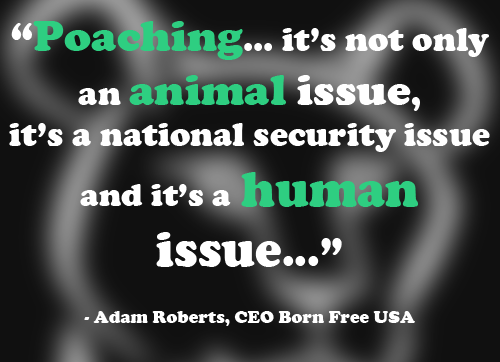 This week’s show takes us to jungles, plains, back lots and road shows to focus on animal welfare and the need for wildlife protection. My guest, Adam Roberts, CEO of the organization Born Free USA, and I discuss the plight of elephants and lions and what is causing them to be endangered. We also talk about the cruelty and neglect of Exotic pets, and the treatment of animal actors in circuses, film and TV. Lions may be sleeping, but we need to ROAR to save them. For more information go to
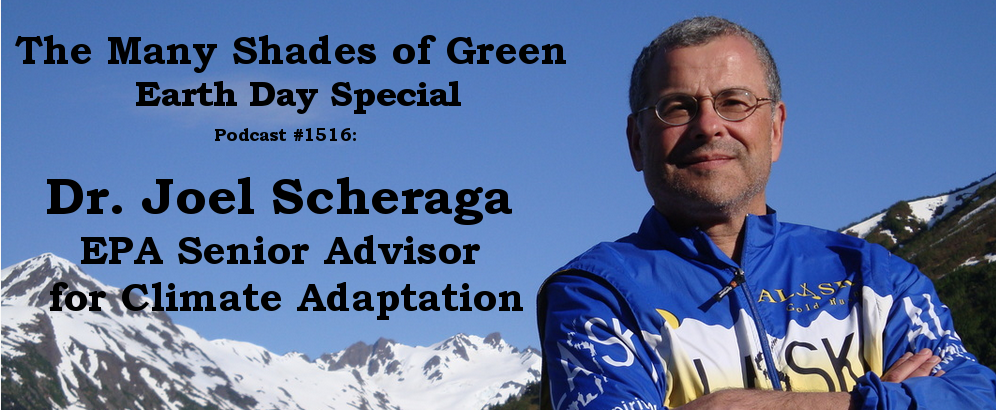
 The First Earth Day took place on April 22,1970 and on this week’s episode, we celebrate the 45th Anniversary of Earth Day, as well as the 45th year of the EPA, with special guest, Dr. Joel Scheraga, Senior Advisor for Climate Adaptation at the U.S. Environmental Protection Agency. The climate is changing, and we have to adapt to the results of those changes, which are coming in the form of more intense weather, super storms, droughts, pollution, and an increase in greenhouse gas emissions. The change in climate is causing the oceans to get warmer, and
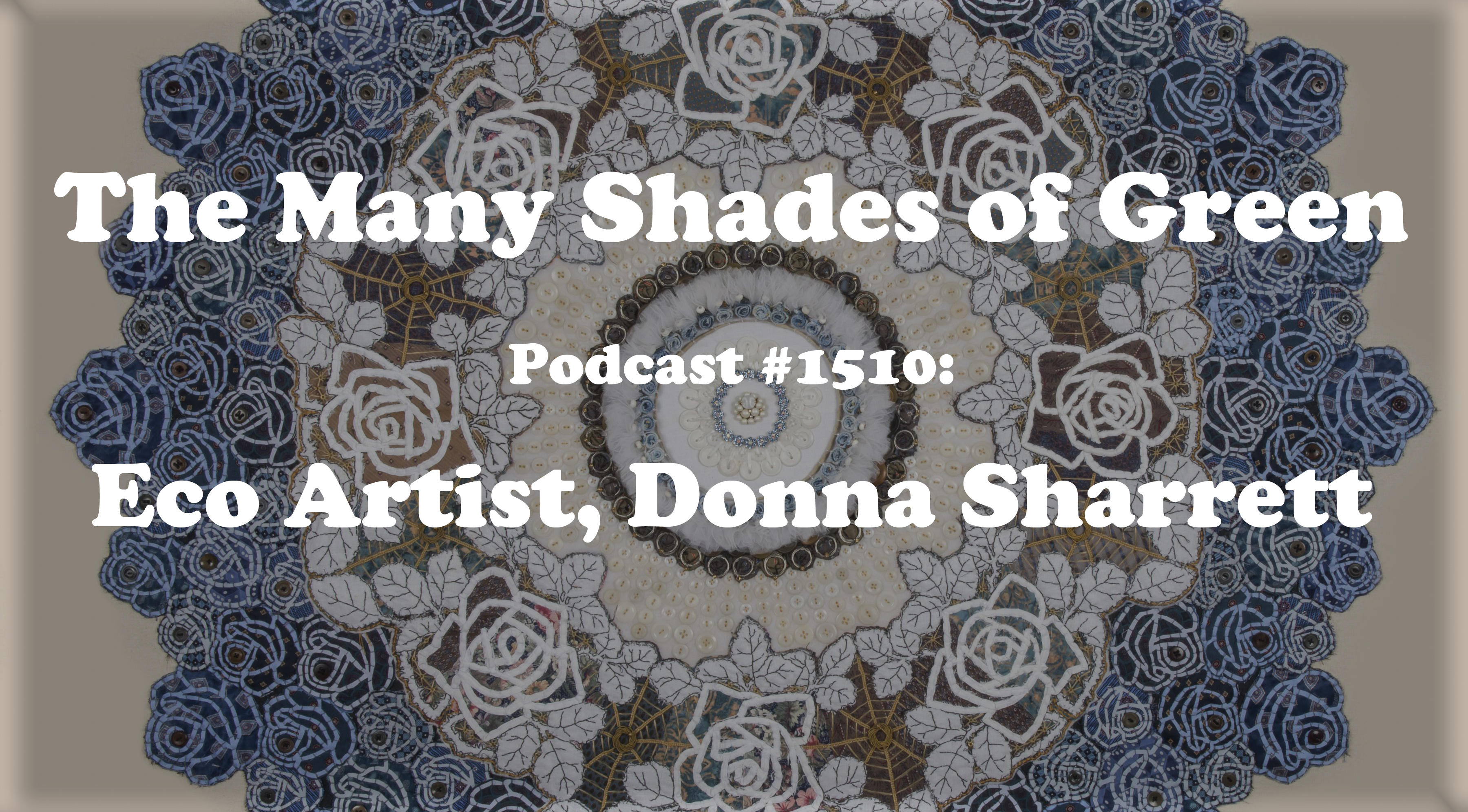
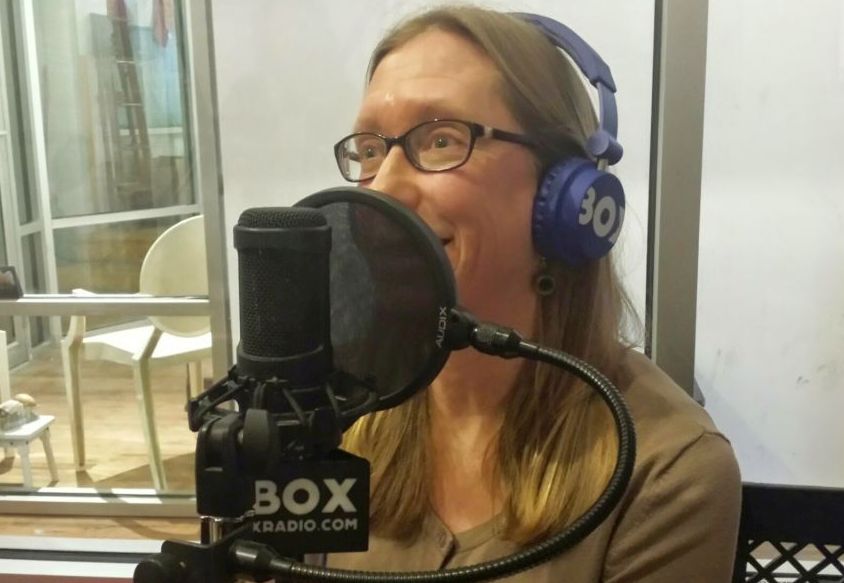 My guest this week is the multi-talented artist Donna Sharrett, whose most recent exhibit, Love Songs, captivated art lovers with a beautifully crafted array of pieces that were intricately assembled using materials donated and re-used. This collection of artwork was formed from Donna’s memories, as she re-used fabric, jewelry, dirt, guitar strings and other items to create these beautiful pieces. We also talk about how Patti Smith was in some small way part of the exhibit via her song, Dancing Barefoot. Donna is also a master gardener and started the Community Garden in Ossining, NY. Art and the environment are interconnected, and Donna is a prime example how that connection is made. For more information go to
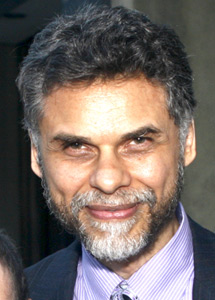 We are all interconnected to one another, yet the cultural mindset continues to focus on the me, rather than the we. My guest this week, Rick Ulfik, founder of We the World, is moving to change the paradigm by promoting awareness of the need for creating a more humane spirit, by enlisting change agents from around the globe, to build a more peaceful, sustainable and empathetic world. We the World works to develop global networks of collaboration via the 11 Days of Global Unity, and 11 Ways to Change the World. It’s time for the collective will of the citizenry to use the power of WE! For more information go to
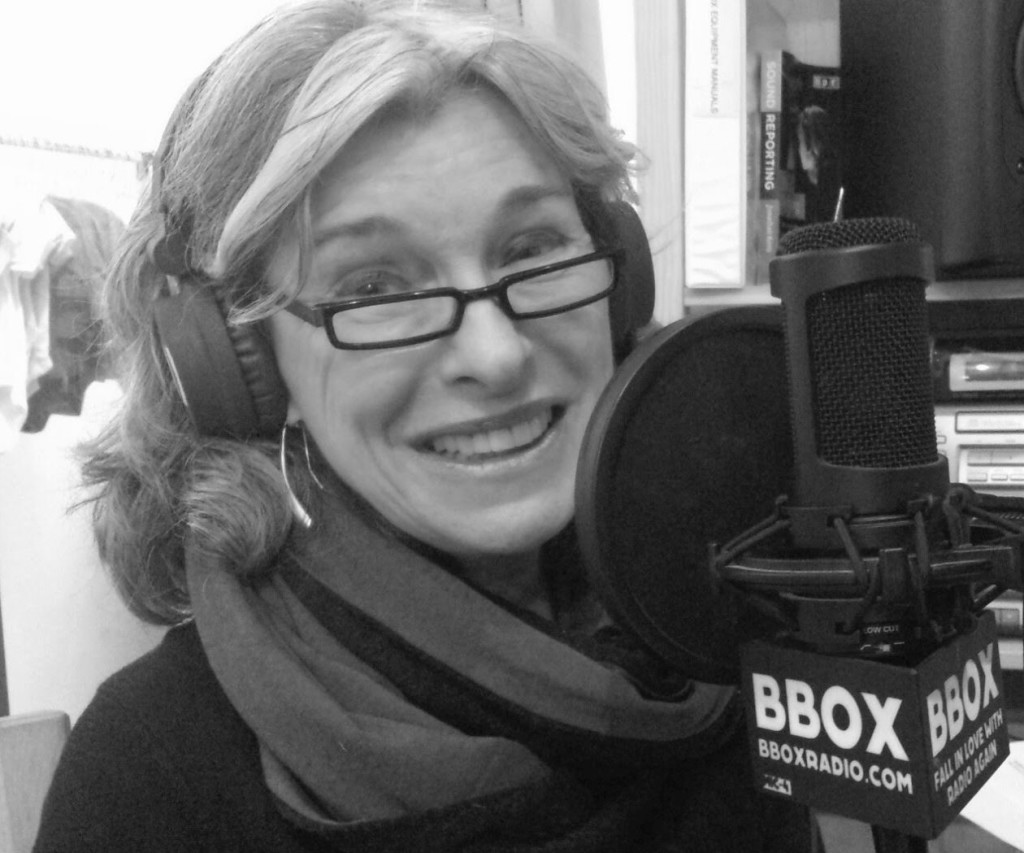 Many species are in decline because of climate change. In Part 2 of our talk with Bonnie Wyper, President and Executive Director of Thinking Animals, we discuss what actions can be taken to help stop the destruction of animal habitats due to urban sprawl, air and water pollution, as well as poaching (especially in the ivory trade). Big Ag farms treat animals with little regard to their emotional feelings. Cattle, chickens and pigs are penned up and/or caged with no room to move around, and are led to slaughter in cruel and inhumane conditions. There are ways to change our behavior to stop the destruction of animal habitats, and to work to make life better for the non-human creatures who inhabit the Earth. As humans, we must do better, and we must create a world fit for all the inhabitants of the planet. Conservation is key to making that happen. Go to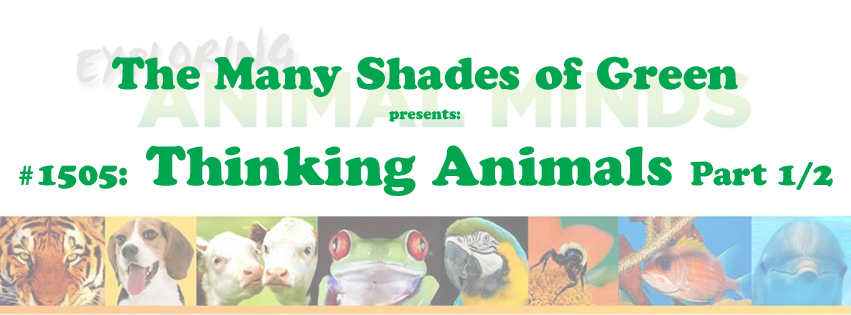
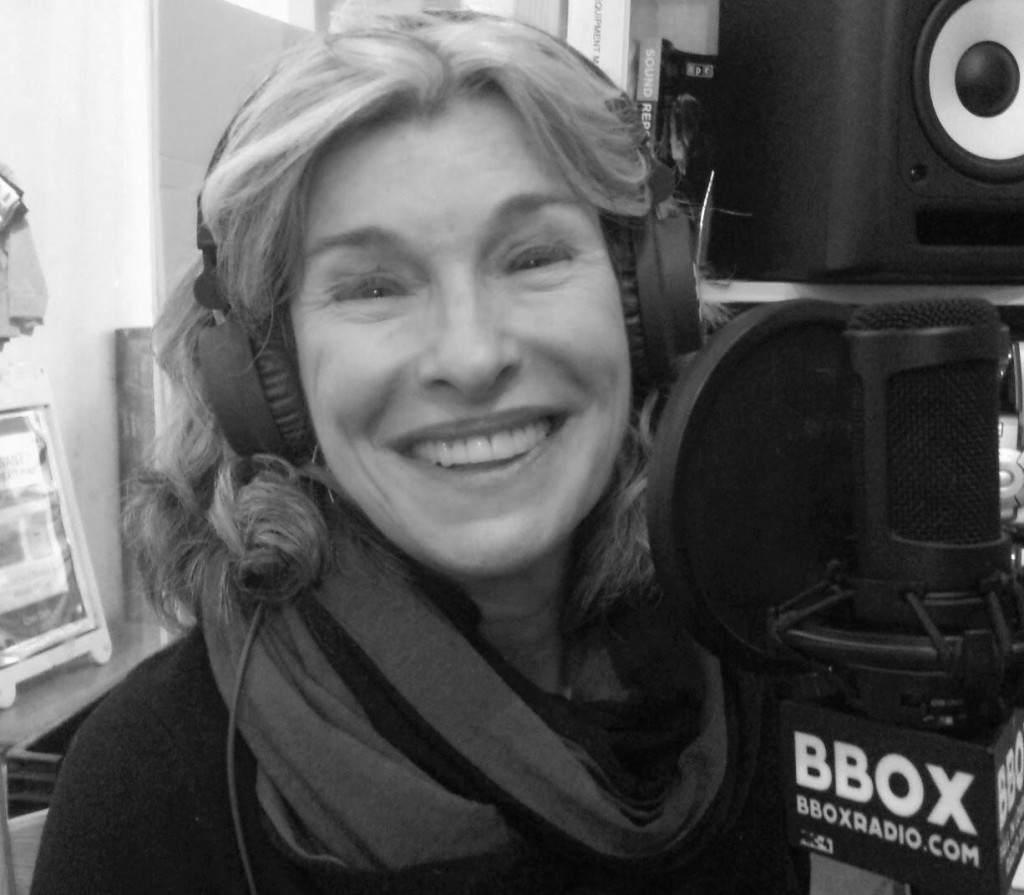 If we could talk to the animals, just imagine it, chatting to a chimp in chimpanzee, imagine talking to a tiger, chatting to a cheetah, what a neat achievement that would be. In Part 1 of my talk with Bonnie Wyper, President and Director of Thinking Animals, we delve into the topic of animal behavior and cognition. Charles Darwin once said that “Evolution is not just the physical body, but our emotional sides as well.” Bonnie and I discuss how animals experience joy, stress, thought and nuance, and are more complex than humans know. Most humans think of themselves as superior beings, and species are being decimated because of that thought process. We need to step up and treat all creatures humanely. For more information go to