
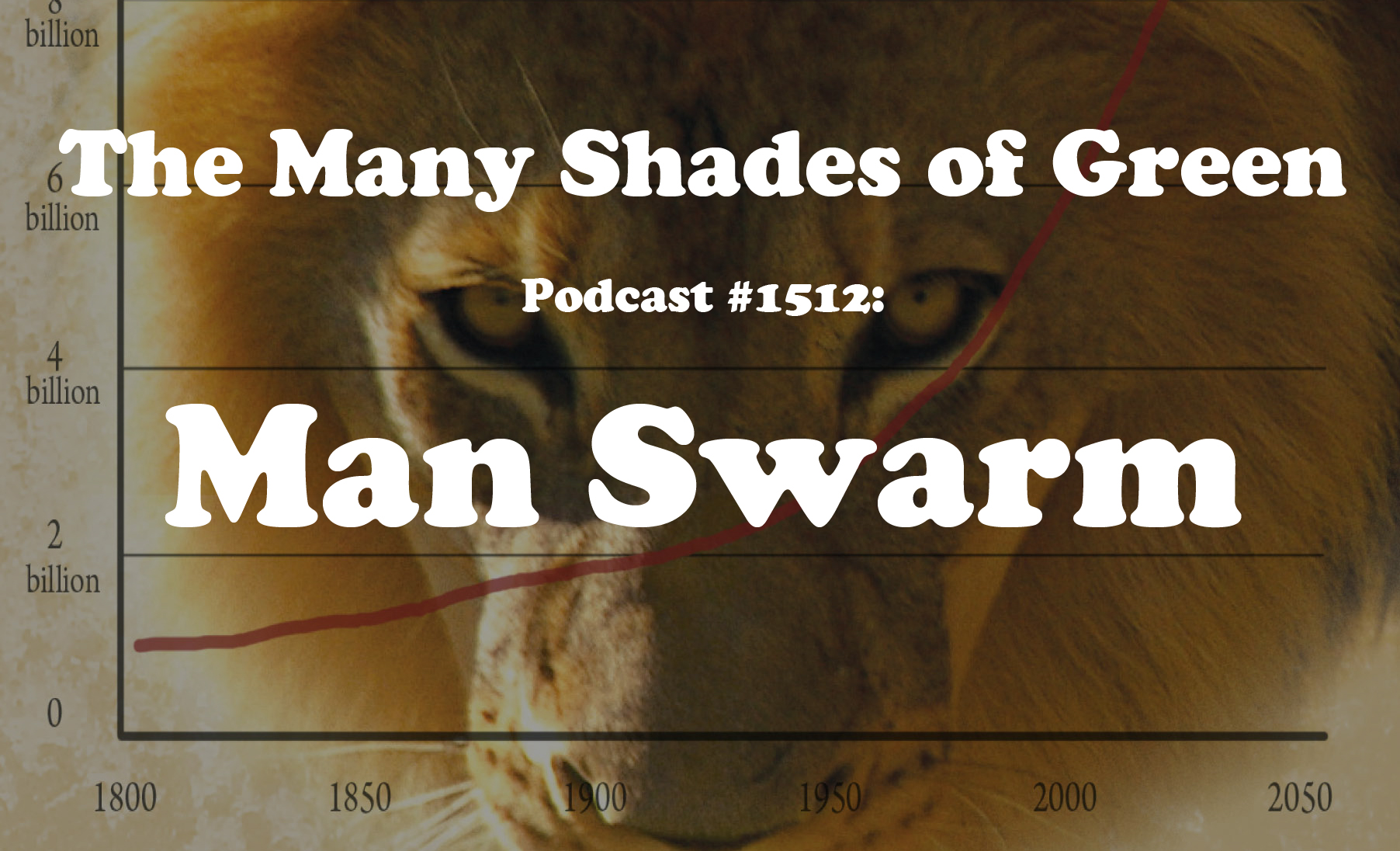
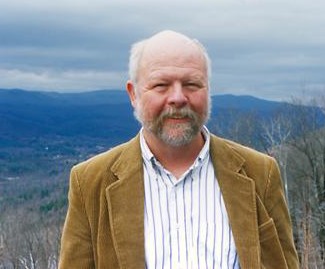
 What comes first, the Earth or Earthlings? There are a lot of us humans on the planet, and we have to start thinking about keeping our numbers down. Join me and my guest Dave Foreman, activist, author, and founder of Earth First!, the Wildlands Project, and the Rewilding Institute, as we discuss his latest work, a new revised of edition of his popular title, MAN SWARM: How Overpopulation is Killing the Wild World, which is co-authored with Laura Carroll, author of The Baby Matrix. Population is one factor in the environmental degradation of the planet. Should there be a one child policy in the US or should we stop having babies altogether? What can be done to solve this problem? Tune in to find out. For more information go to rewilding.org
Category: Food
5 Ways to Slash Your Organic Food Costs

By Mikey Kohlberg
Today, I will be discussing how to cheaply feed yourself and your family without skimping on food and endangering everyone and the environment. If you have kids, you may have thought about feeding them wholesome and chemical-free food, but it is not always the cheapest or easiest lifestyle to live. However, there are cheap and easy alternatives to certain overpriced organic products. I will draw mostly from my personal experience eating budgeted organic food in order to break down some simple steps to cutting organic food costs.
1. Join a Buying Club
No, this is not only for restaurants and retail grocery stores. Individual people can pool together in order to buy wholesale organic food that is much cheaper than what you can purchase at the store. Check out UNFI’s buying club and sign up for one today. Plus, this is a great way to get to know your organic and local food eating community.
2a. DIY Organic Rice Milk
If you are lactose intolerant or just enjoy a non-dairy alternative to milk, this could help you slash your organic food expenses. For a reference point, a 32 oz. carton of Rice Dream would normally cost you around $3.22. You can easily find Lundberg’s Short Grain Brown Rice for about $2.30/lb in the bulk section of most health food stores, and this will yield much more than 32 oz. of rice milk. Believe it or not, that is pretty much all you need for quality rice milk. There are many recipes out there and I encourage you to check them out. Also, have no fear of being creative and adding new flavours or sweeteners to suit your needs. I like this recipe a lot because toasting the brown rice adds a nice touch to the end product. Enjoy!
2b. DIY Organic Tortillas
Now, if you are someone who buys packs of tortillas at a time, you may be surprised to know that you could be getting an organic version of this product for a pretty low price. Although companies like Mi Rachito have nearly perfected the art of packaged organic tortillas for around $3.00/bag, each containing around 7-12 tortillas, nothing beats the price and flavour of homemade corn tortillas. You can buy Organic Masa Harina to make your own for anywhere between $3-7.00/lb depending on purchasing quantity. One pound of masa harina will yield anywhere between 15-20 tortillas. So, if you want to impress your friends (or yourself) and make delicious, low cost organic tortillas, make your own with a recipe like this one!
3. Buy “Secondary Cuts” from Local Butcher
Instead of buying pre-cut chicken breast or thighs, save money by buying the whole carcass. It is not hard to take the extra 30 seconds to cut off the wings or breast yourself. Plus, you can explore making soups and stocks with leftover bones and undesirable parts of the animal. For Secondary red meat cuts, check out this link for more info.
4. Use your Freezer/Pickle Things
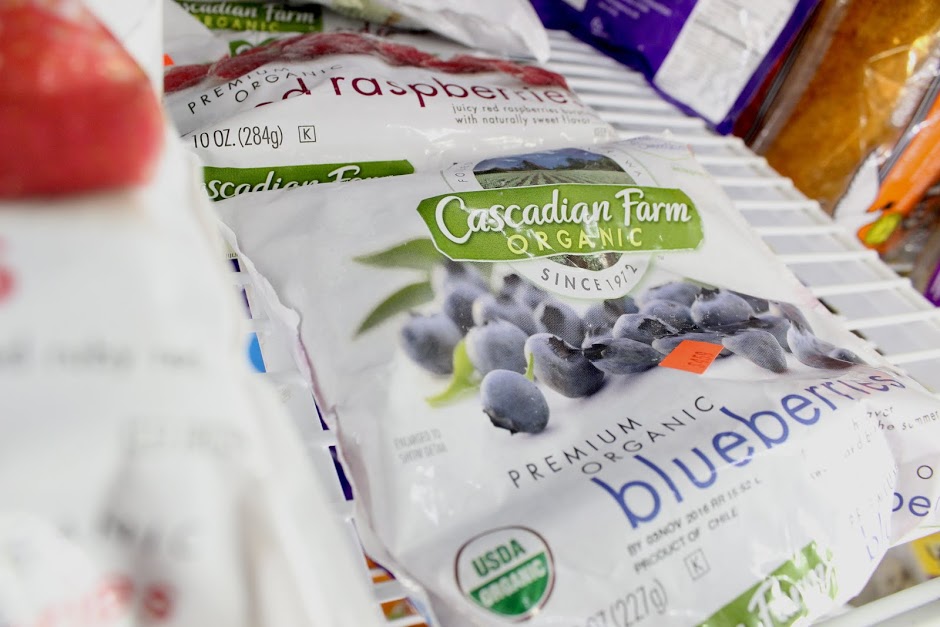
If you have extra food that may go bad, freeze it. Also, if you have produce that might not be disgusting pickled, learn how to pickle it. It may be a fun activity for family or friends.
5. Buy in Bulk/Buy Local
This should be obvious to everyone, but I will explain it anyway. Usually, the more of something you buy, the cheaper per pound it will be, so you can save there.
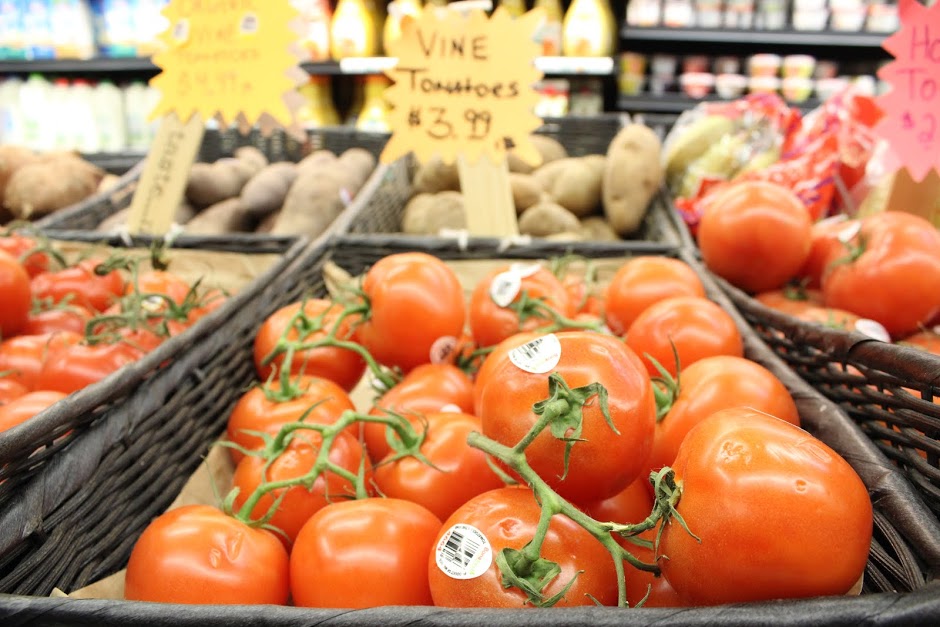
Also, try to buy seasonal vegetables, nuts and fruit in bulk as well. Often times, especially in the summer, certain crops like heirloom tomatoes will be significantly cheaper than they are in the winter since they thrive in the heat and don’t have to be grown indoors or shipped across the globe to get to you. Stock up on those items while they are in season if you like saving money and eating nutritious, earth-friendly food. You can always make something out of excess seasonal food and freeze it for later or for winter.
I hope this helps some of you slash your organic food bill. If you have comments or questions, please let us know! Until next time. Stay Green!
#1506: Thinking Animals part 2/2
 Many species are in decline because of climate change. In Part 2 of our talk with Bonnie Wyper, President and Executive Director of Thinking Animals, we discuss what actions can be taken to help stop the destruction of animal habitats due to urban sprawl, air and water pollution, as well as poaching (especially in the ivory trade). Big Ag farms treat animals with little regard to their emotional feelings. Cattle, chickens and pigs are penned up and/or caged with no room to move around, and are led to slaughter in cruel and inhumane conditions. There are ways to change our behavior to stop the destruction of animal habitats, and to work to make life better for the non-human creatures who inhabit the Earth. As humans, we must do better, and we must create a world fit for all the inhabitants of the planet. Conservation is key to making that happen. Go to thinkinganimals.org to find out how you can help.
#1505: Thinking Animals part 1/2
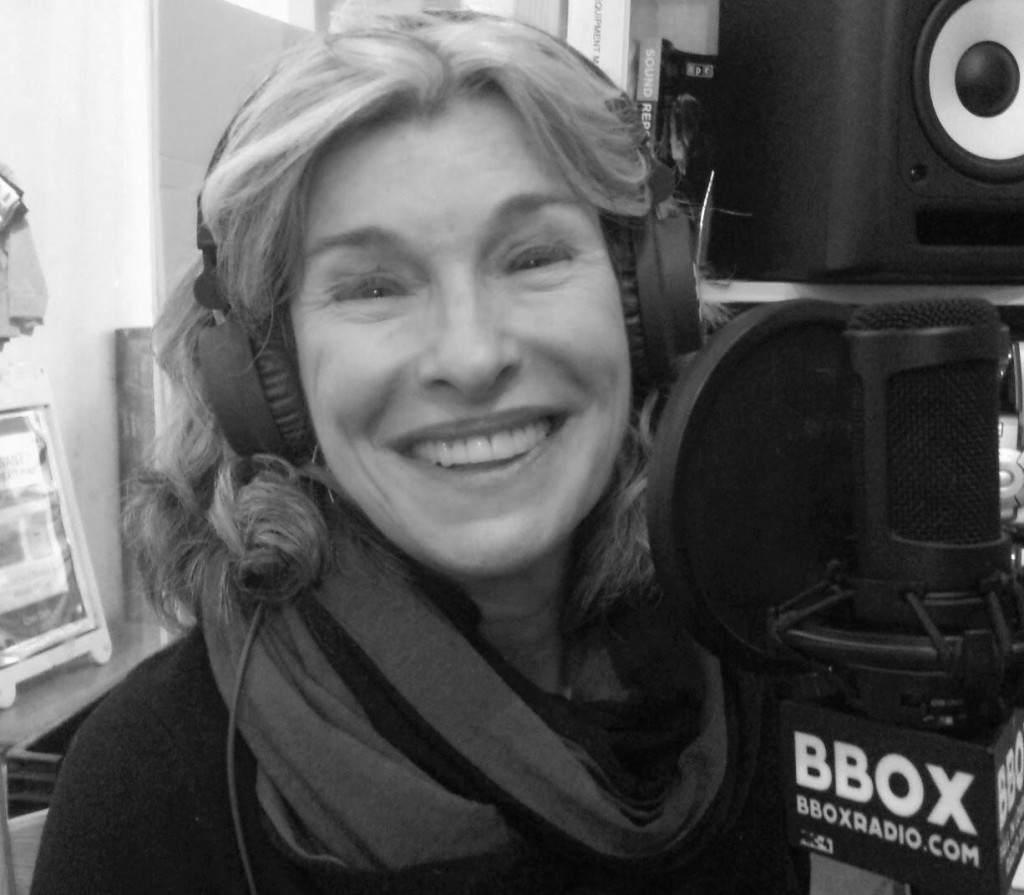 If we could talk to the animals, just imagine it, chatting to a chimp in chimpanzee, imagine talking to a tiger, chatting to a cheetah, what a neat achievement that would be. In Part 1 of my talk with Bonnie Wyper, President and Director of Thinking Animals, we delve into the topic of animal behavior and cognition. Charles Darwin once said that “Evolution is not just the physical body, but our emotional sides as well.” Bonnie and I discuss how animals experience joy, stress, thought and nuance, and are more complex than humans know. Most humans think of themselves as superior beings, and species are being decimated because of that thought process. We need to step up and treat all creatures humanely. For more information go to thinkinganimals.org
#1501: Eating Healthy Made Easy
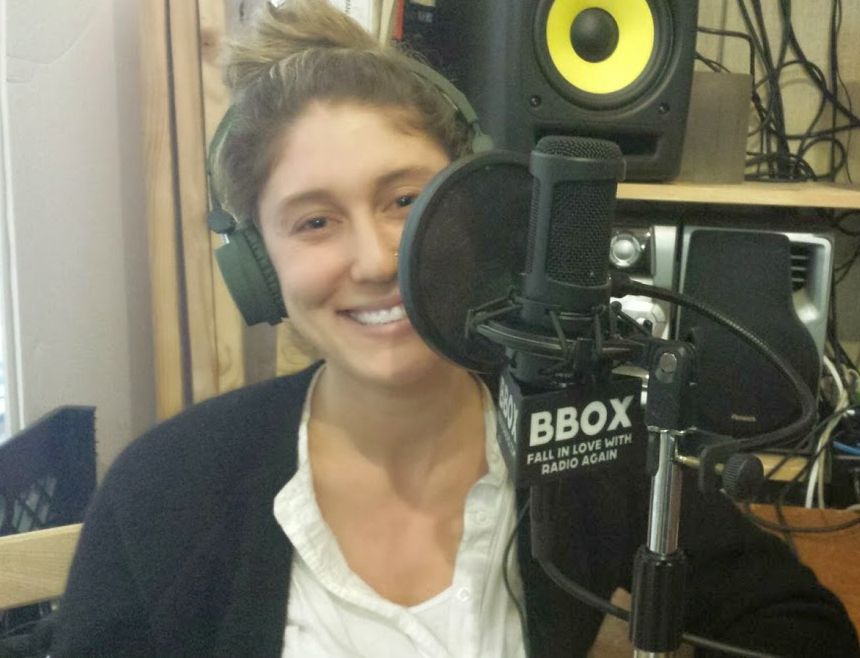 When your mom yelled “eat your veggies” she was definitely on to something. My guest this week is Ashley Spivak, Director of Restaurant Guides at Clean Plates. We discuss the importance of a well balanced, plant based eating regimen, that will lead to a healthier you. An 80/20 diet of 80% good stuff (vegetables, fruits, whole grains and protein), and 20% of the foods that make you smile (pie, cookies, mac and cheese) is a good formula to follow. Bio-individuality indicates that there is no right way to eat, not every person is the same, and diets and food choices affect different body types in different ways. The Clean Plates Food Guide lists restaurants that are more conscious about where they source their produce, meats, grains, as well as the taste of the food, the prep and the atmosphere. Making informed choices whether eating out or in is essential to being a healthier, smarter and cleaner eater. For more info about Clean Plates online publications, guides, phone apps and recipes, go to cleanplates.com
The Green Stream: Beware of US Food Politics
 By
By The need is greater than ever to be involved in the growing sustainability and food movement. The threats that our agriculture industry pose on climate change and human survival are blatantly obvious at this point, yet it seems that many US politicians have forsaken their duty as representatives of the common good of America while instead succumbing to the pressures of politics and corporate interest. For the sake of being concise, I won’t get into the details of the destruction that Monsanto Company and similar operations are causing to humanity and to nature. For a summary of these details, click here.
Today, I am focusing more on the dilemma of Michael R. Taylor slithering his way from atop multiple powerful positions working for Monsanto Company to holding America’s health in the palm of his hand as head honcho of the FDA. And last but not least, I hope to begin to show you all how gravely this affects us all.
To start off I want to ask a question. When did it become acceptable in this country to let someone switch so freely between the position of corporate lobbyist/lawyer and policy maker in the same field? That is what FDA Deputy Commissioner for Food and Veterinary Medicine Michael R.Taylor did. Also, do me a quick favor and google the relationship he has had with King & Spalding, a law firm that has a history of representing Monsanto. This, my friends has been called by Marion Nestle, who wrote Food Politics, “a classic example of the revolving door.”
There are those who argue for Taylor’s innocence however. Bill Marler who wrote Mike Taylor and the Myth of the Monsanto Man, claims that after knowing of him (not directly knowing him) for nearly 20 years, he is convinced Taylor is non-partial to Monsanto. Taylor himself is quoted in the article saying, “The government has clear rules about what a person can and cannot work on under those circumstances (potential partiality to an industry),” Marler then establishes his line that Taylor “follows those rules very carefully.” Marler continues to explain that when Taylor held the Deputy Commissioner for Policy (FDA) in the mid-’90s, the FDA Ethics Counsel said that he could work on general policy matters, such as policies for food labeling, but that he was precluded from any involvement in specific product approvals of interest to Monsanto. HOLD ON!
Seeing as one of the biggest US food policy issues right now is the requirement of food companies to label GMO foods, this seems like an issue that former Monsanto lawyer and VP of public policy at the largest GMO company in the world should not be engaging in! American health is at stake!
Also, according to PF Louis in his article Biotech industry at war over GMOs; millions of dollars funneled to lawmakers, “Monsanto Mike (Taylor) was able to influence the approval of rBGH (recombinant Bovine Growth Hormone), which forces cows to yield more milk while causing infections that require antibiotics. So many milk and other dairy products became contaminated with the synthetic hormone rBGH, antibiotics, and infected cow blood and puss.” If you are unaware of the futility that over antibiotic use in factory farms is causing modern medicine please check out some of these links. I encourage you to explore the topic in more detail.
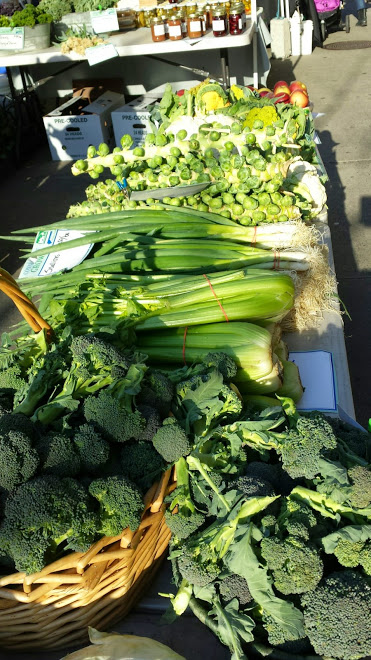 Long story short, America’s reckless agricultural techniques and lack of quality governmental oversight has created a situation in which Americans are falsely assured by their own government about the safety of their food. It is a situation that still has its solutions though. What we need is mass education which will contribute to a snowballing in consumer awareness about the importance of the local and sustainable food movement. It has started to take hold around the world but with EVERONE’S help, we will begin to change. Their have been sparks of change so far, but we need to keep the passion strong to get the fire roaring. As we eat locally and buy from small farms, food becomes much healthier, less mysterious, and more tasty. While food transportation costs and emissions are reduced, air becomes cleaner in cities and communities become stronger through community farms and other CSA projects. If you take away one thing from this blog, let it be to buy food that comes from within 100 miles of where you live!
I want to end this Green Stream blog with a note of optimism, because although there are many problems with our current food regulatory system and agricultural sector, there is much we all can do.
Buy local and Stay Green!
Find out more info about eating clean and stayed tuned for The Many Shades of Green’s interview with Ashley Spivak from Clean Plates!
#1448: Zoe Weil, Co-Founder and President of The Institute for Humane Education

 What connection does Star Trek have to humane education? What needs to be done to our education system to foster creativity, compassion, ethics, empathy and critical thinking? Students need to be better prepared to be problem solvers and thinkers. Our guest this week is Zoe Weil, co-founder and president of the Institute for Humane Education (IHE). Zoe and I discuss the importance of transforming education, via concepts that teach children to be more caring, nurturing, and curious. While teaching the three R’s is important, humane education will lead to a more peaceful and harmonious society. Zoe is working to establish the Solutionary School in NYC, as she believes that societal problems can be solved by offering curriculum which highlights social justice, respect and empathy, in order to create a more humane and sustainable world. For more information about The Institute for Humane Education and The Solutionary School please visit humaneeducation.org & solutionaryschoolnyc.org and check our her inspiring “The World Becomes What You Teach” Tedx Talk: http://youtu.be/
#1446: Happy Greengiving
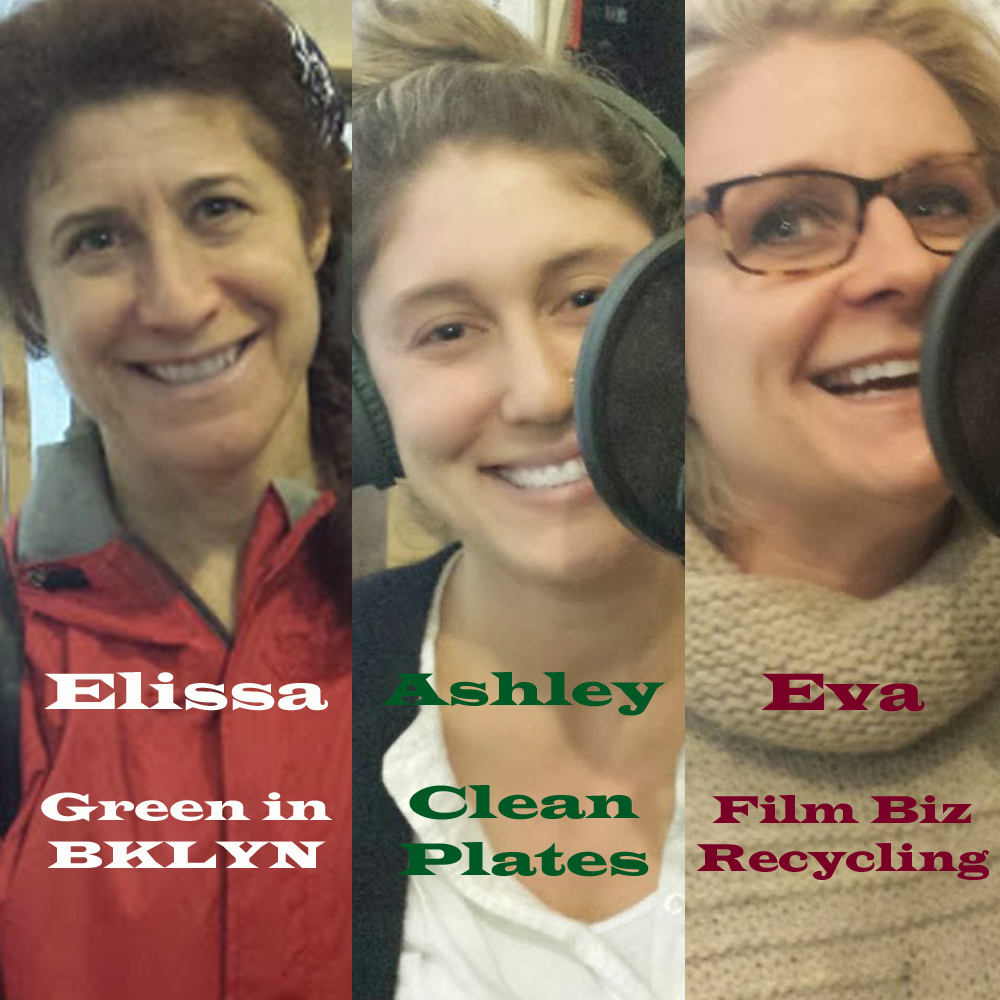
It’s that time of year again, when consumerism and family collide into what we call the holiday season. To help you incorporate sustainable choices into your gift giving, decorations and food, we’ve invited Elissa Olin from Green in BKLYN, Ashley Spivak from Clean Plates and Eva Radke of Film Biz Recycling to share their tips and ideas. greeninbklyn.com, cleanplates.com & filmbizrecycling.org
#1436: Andra Tomsa, Founder of the app, SPARE
 Hunger is a quiet crisis that demands our attention. My guest this week is Andra Tomsa, Founder of Spare, an organization working to help fight hunger via an app and website that rounds up your restaurant or bar tab, and tracks your donation in real time. Spare has partnered with the Food Bank of NYC and City Harvest to get meals to those who rely on food kitchens and shelters for assistance. For more information please go to sparenyc.org.
#1442: Annie Hauck-Lawson, Founder of Mompost
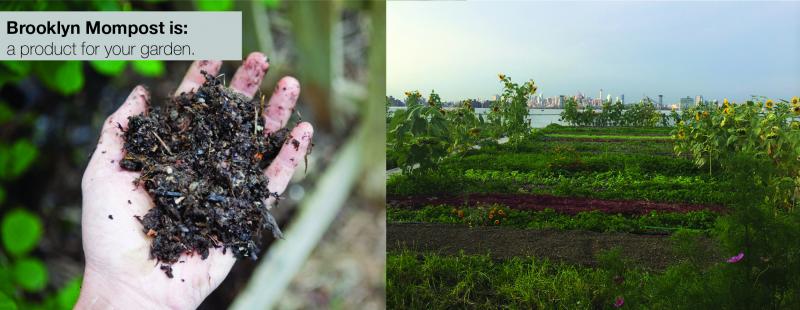
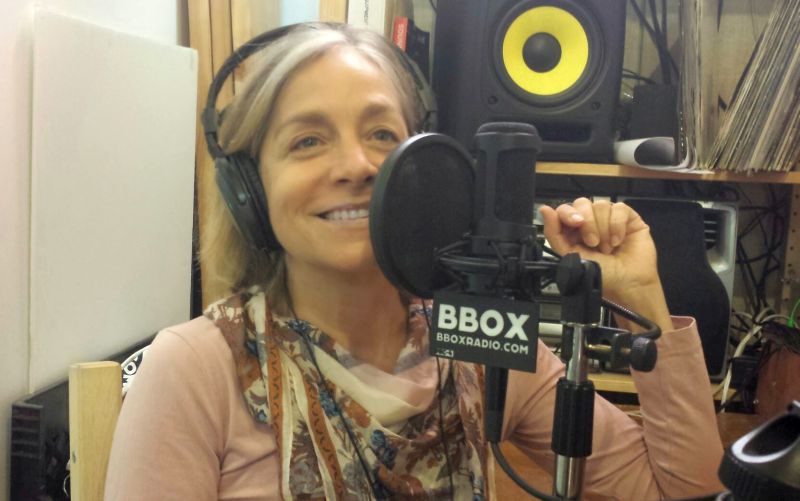 My guest this week is Annie Hauck-Lawson, author, nutritionist, master composter and the current Greening Director at Poly Prep Country Day School in Brooklyn. Annie co-edited the book Gastropolis: Food and New York City, and founded Brooklyn Mompost. She created the term “Food Voice,” and her recollections of her upbringing in Brooklyn, foraging for edibles in Prospect Park, fishing off the Brooklyn Coast, and starting one of the first Natural Food pushcarts in Brooklyn gives us great insight into her upbringing, which shaped her vision of the importance and connection we all have to food and nature. To get more information go to www.brooklynmompost.com
#1441: Paul Lazarus Discusses His New Documentary, “Slingshot”
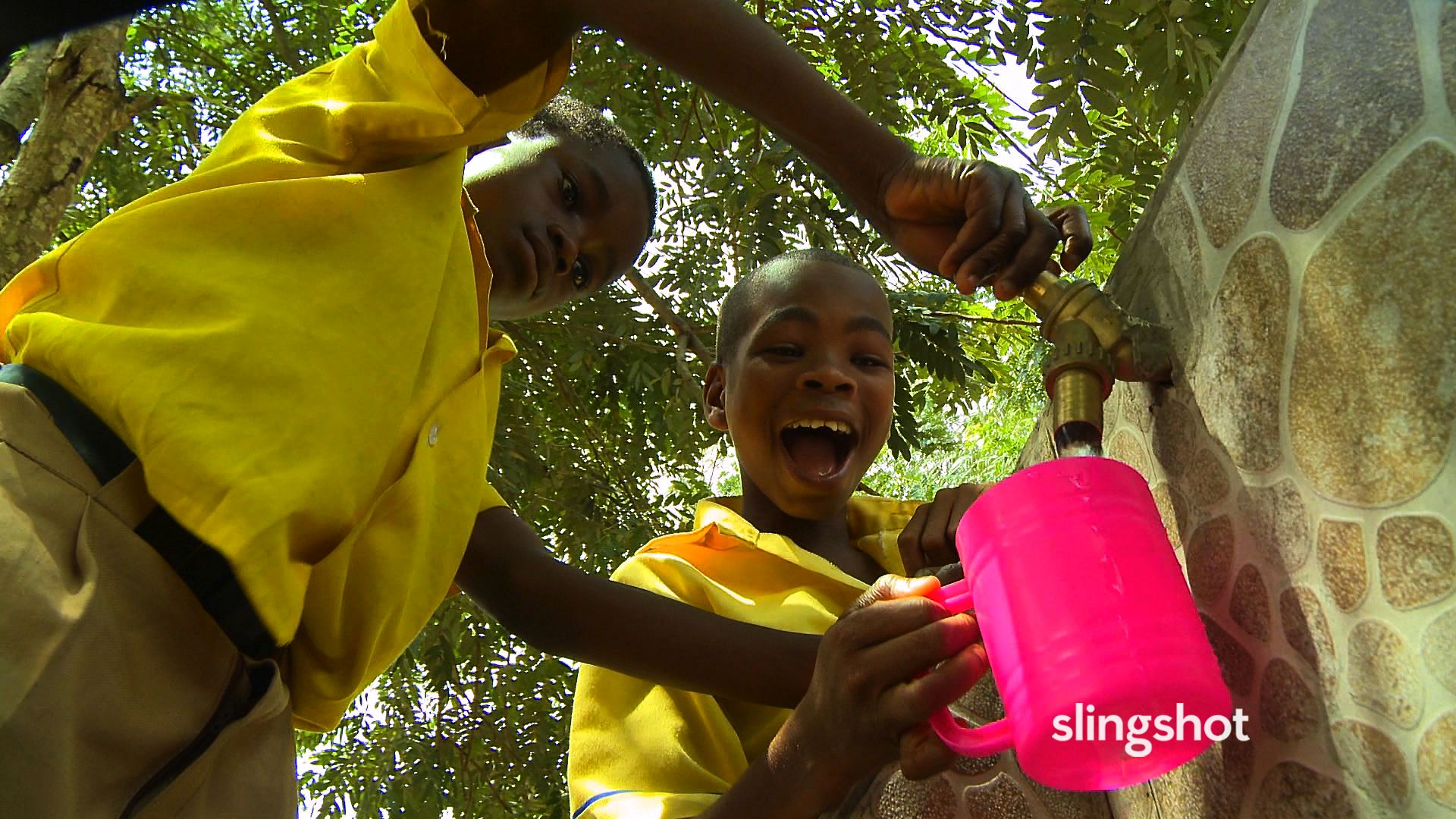
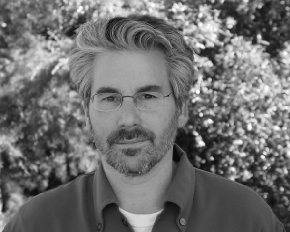 Water is the source of all life, there is a world water crisis, and millions of people on the planet do not have potable, clean, drinking water. My guest this week, Paul Lazarus, director, writer and producer of film, television and theater has directed a wonderful documentary entitled, Slingshot. The film focuses on the the current global water crisis, and the path that inventor/engineer extraordinaire, Dean Kamen takes to bring his water purification system to the world market. The documentary has won film festival awards, and is a must see movie. For more information, go to www.slingshotdoc.com
#1434: Regina Cornwell, of Inclimate, and artist Lynn Cazabon discuss “Uncultivated”
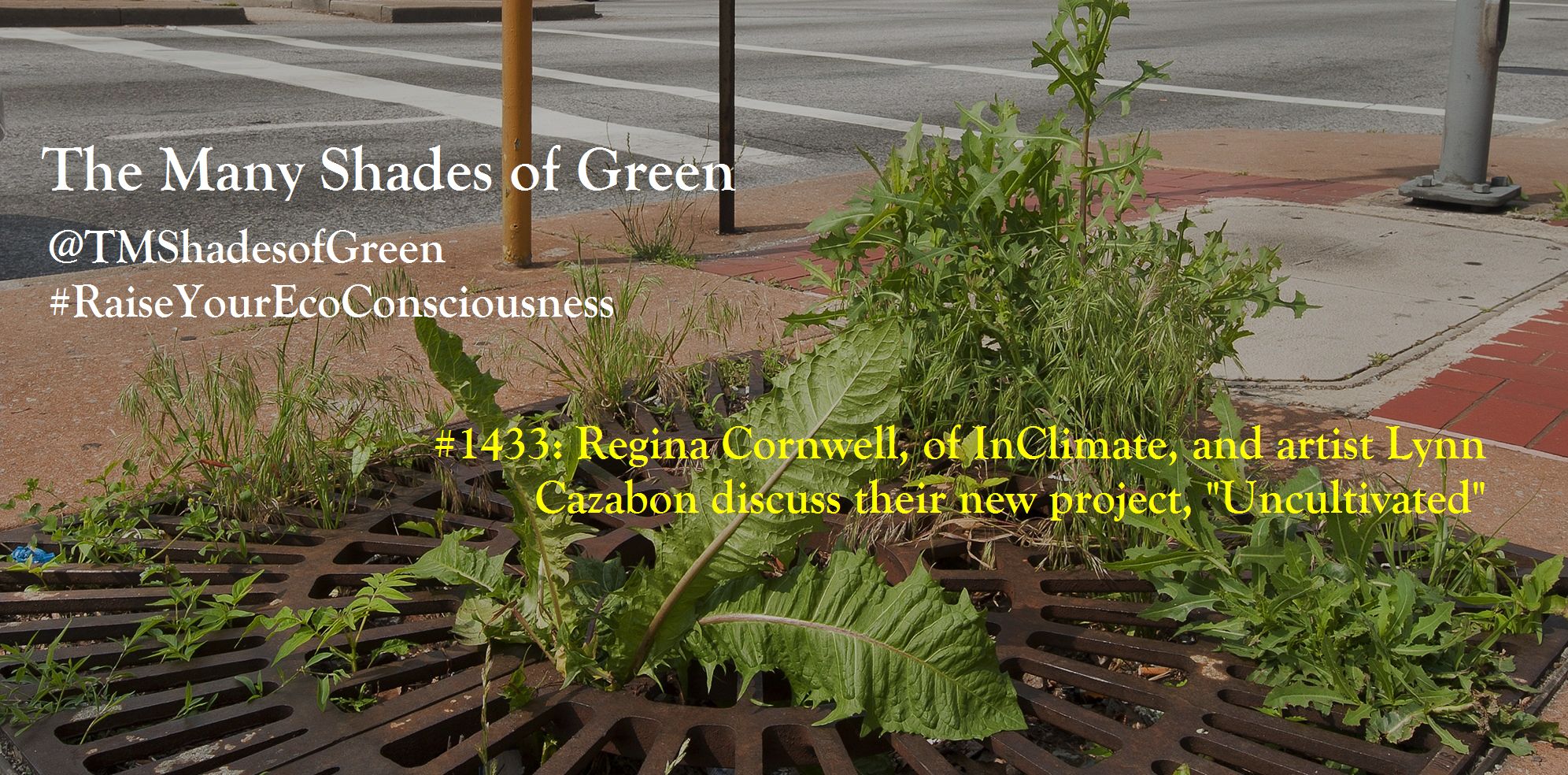
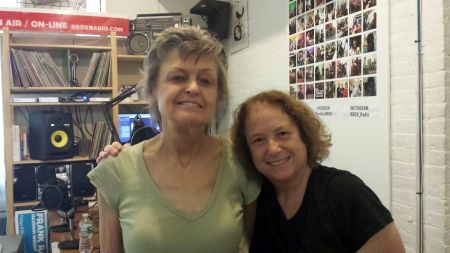
Why are weeds considered the rats of the horticultural world, and what can we do to make people think about weeds in a more positive light? Join me and my guests Regina Cornwell, Curator and organizer of inClimate, and Lynn Cazabon, artist and Associate Professor of Art at the University of Maryland, Baltimore County as we discuss the project they are currently working on called “Uncultivated.” This project connects art and science, in an effort to educate the community about the importance of the edible plants (weeds), that grow wild within the urban area of Hunts Point in the Bronx. Regina is also a Climate Change presenter for the Climate Reality Project, which was started by Al Gore as an offshoot of the film An Inconvenient Truth. For more information go to www.inclimate.org and climaterealityproject.org