Billions of people around the globe are affected by the changes in climate every day. There are many stories that need to be told and many stories that need to be heard. My guest this week, Dayna Reggero, project director for the Climate Listening Project, has gathered stories from a variety of individuals and businesses about the direct effect of climate change on their lives and communities. Farmers, scientists, faith based and environmental groups are working towards solutions to adapt and build resilience to the extremes of climate change. We must connect actions to our words and work towards building a cleaner, greener world. Dayna has also been involved with the Showtime Series, Years of Living Dangerously, and has partnered with Laura Lengnick, author of the book Resilient Agriculture: Cultivating Food Systems in a Changing Climate. Dayna and Laura conduct storytelling workshops at colleges via the Cultivating Resilience Tour. For more info go to: daynareggero.com, @DaynaReggero and facebook.com/climatelisteningproject.
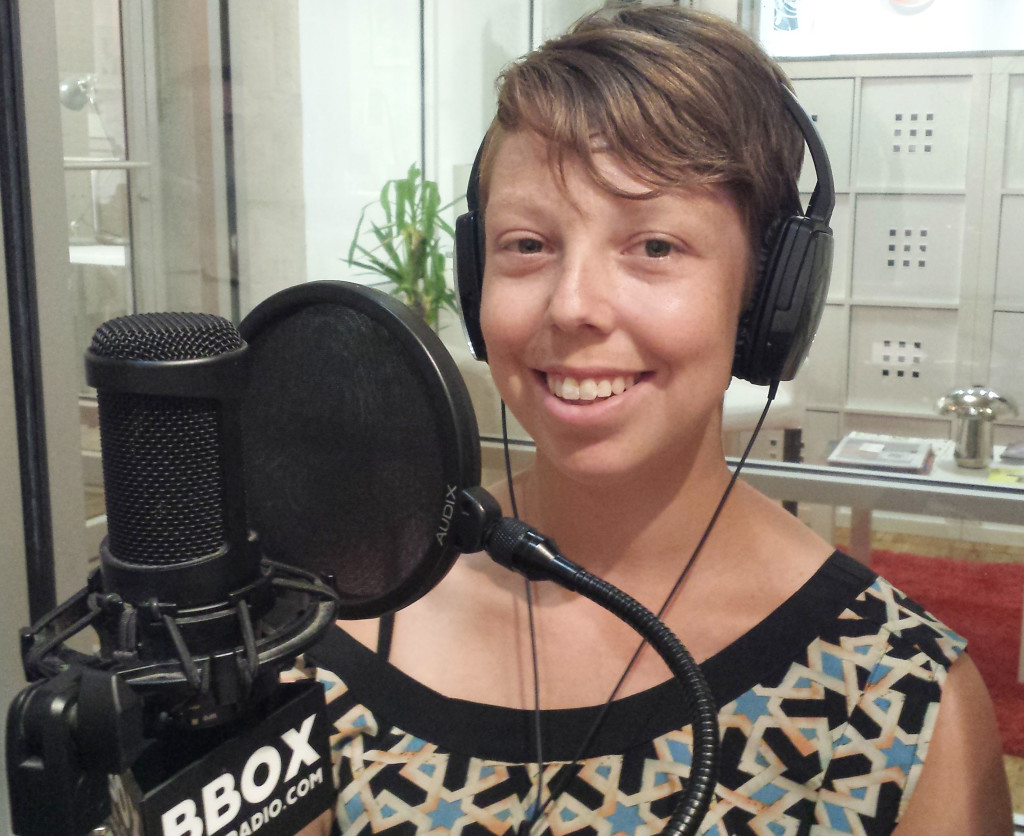
Microbeads are not part of a kids craft project, they are tiny plastic particles which are entering the wildlife and human populations. My guest this week, Jordan Christensen, is the Program Coordinator for the Citizens Campaign for the Environment, and she is working to put pressure on our elected officials to ban the use of microbeads. She is also working on projects to limit raw sewage and toxins from entering the waterways, as well as reducing use of chemicals in schools. We have to write letters to our local and national representatives to let them know that Earth comes first. Go to www.citizenscampaign.org for more information.
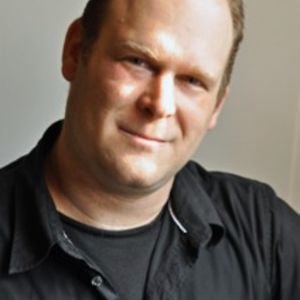
Do the electric slide into an EV (electric vehicle), and plug into a greener way to travel. My guest this week, Seth Leitman, a/k/a Green Living Guy, brings his expertise on vehicles that are electrifying the roadways. From Ford Fusion to Mitsubishi to Tesla, we learn about how the car industry is heading towards a more electric future. Seth’s Green Guru Guides and soon to be videos, are great tools to help you become a more sustainable Earthling. For more information go to greenlivingguy.com
Almost born on the Brooklyn Bridge, salvaged in Manhattan, and raised on the Brooklyn side. Sounds like a punk rocker was born, but it was the life beginning of this week’s guest, Samuel Robinson. Sam is a Green Living Consultant, Horticulturalist, Sculptor and blogger. He is the modern day Johnny Appleseed, as he cruises around the streets of NYC in his 1961 Willys Farm Jeep, distributing plant seeds and spreading the green message across the urban landscape. Sam is working on bio-remediation projects to help clean the water in the Gownaus Canal, which has turned into a toxic brew over the last several decades. We all need to take action and let our elected officials know that green spaces and clean waterways will improve the quality of life in the city, and legislation is needed to do that. If Paris can go green, NYC can go green. For more information go to greenwoodrobinson.com
“Here comes the sun, here comes the sun and I say, it’s alright.” – George Harrison
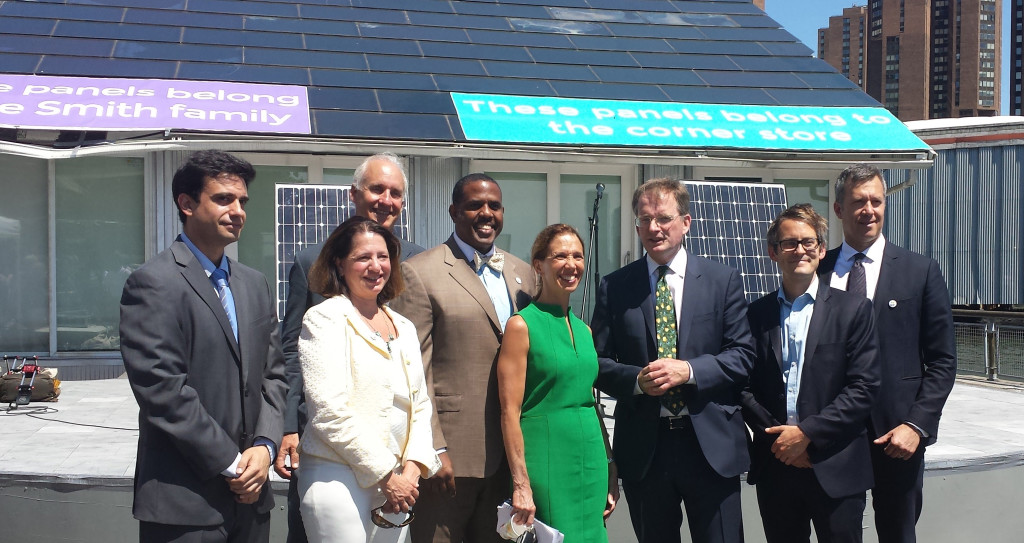
New York State is committed to achieve 50% renewable energy by the year 2030. The Shared Renewable Program is part of that push, and Governor Cuomo recently stated that “this program is about protecting the environment and ensuring that all New Yorkers, regardless of their zip code or income, have the opportunity to access clean and affordable power.” This week’s show takes us to the #Solar4All Community Celebration sponsored by Solar One and Vote Solar. We heard from the NYS Energy Czar Richard Kaufman, as well as many other New York elected officials, who have worked to get this program off the ground. We spoke to Peter Olmsted and Adam Browning of Vote Solar, who are instrumental is developing policy for solar projects in New York, and beyond. We also spoke to Elana Laichena, Program Manager for Here Comes Solar, a project of Solar One, which promotes many solar initiatives. The Shared Renewable Program will help improve neighborhood health, resiliency and create opportunity, as renters, businesses, and homeowners will be able to participate in renewable energy projects, and receive tax credits on their utility bills. For more information go to votesolar.org, herecomessolar.nyc and sharedrenewables.org
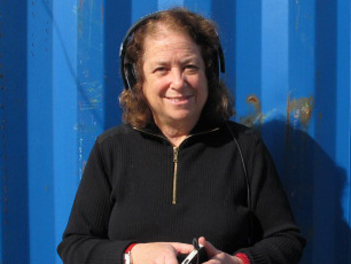
It’s summer time, which means that your inner zen takes control, and dreams of lush green forests, cool lakes, warm oceans and tropical gardens become reality. Be a sustainable citizen, consider the environment, and tool around in an electric car. While camping, keep the bugs away with natural herbal products. Join me and my guests this week, Rusti (Paula) Wolintz, realtor extraordinaire, BFF and electric car owner to be. Bonnie Rogers, expert herbalist and founder of Bonnie’s Herbals, and Brian Horowitz, my co-host today, who is the host of The Rock and Roll History Show. Our discussion takes us from consumer concerns about plug-in vehicles to how lavender can keep mosquitos away. For more information, go to bonniesherbals.com, electric-vehiclenews.com, and rvvagabond.com.
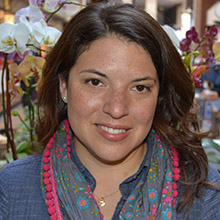
According the the Center for Disease Control and Prevention, childhood obesity has more than doubled in children and quadrupled in adolescents within the past 30 years. Enter the National Farm to School Network, which is working to bring local, fresh foods to school across the U.S., in an effort to reduce obesity, and bring healthy food choices to cafeteria menus. My guest this week is Jaime Lockwood, Development Director at the Farm to School Network, which helps connect local farmers with schools, chefs to cafeterias, and students to gardens. We talk about the importance of the Farm to School Act of 2015, and discuss how chefs inspire healthy eating, environmental awareness, and fitness via wellnessintheschools.org. Jaime is also a board member of Urban Tree Connection, an organization based in Philadelphia, that works to educate and develop community driven greening and gardening projects on vacant land. For more information visit farmtoschool.org. and urbantreeconnection.org
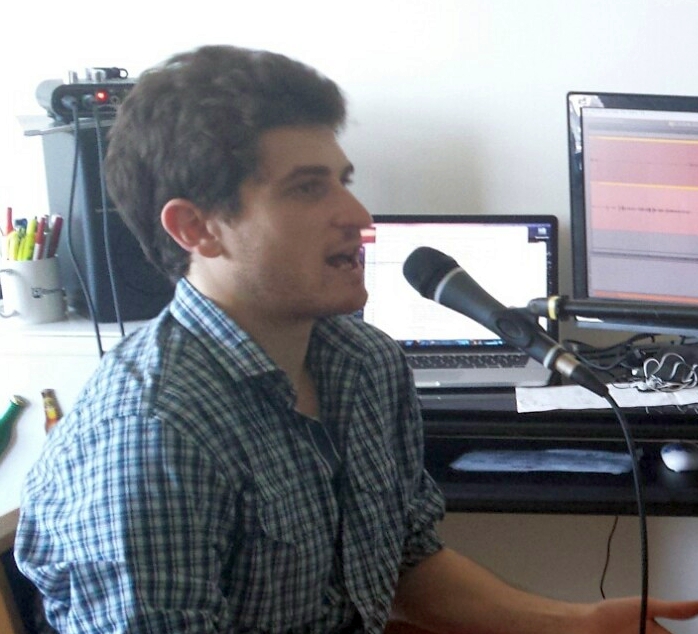
Why are environmental regulations important in helping reduce greenhouse gas emissions? The Clean Air Act and the Clean Power Standard Rule have been put into place to keep the air, land and water safe, in order to reduce the negative health effects of pollutants. Join me and my special guest, Elon D. Rubin, Esq., Environmental lawyer, entrepreneur, techie, musician and most importantly my awesome son, as we talk about the environmental regulatory process, and how citizens can participate in the process. The climate is changing, and we must be proactive in being resilient and adaptive to current and future climate challenges. For more information visit Edrlaw.com and epa.gov.
Products stacked high. Priced low. That’s the box-store shopping model we’ve come to accept. Shoppers expect cheap bargains, and for the most part, get it. From my small college town in Minnesota to Central America, I’ve watched Walmart build and consumers follow. I watched as the college town almost died out. Buildings begged for renters, to buyers rather than shoppers. Today, we watch the scope of Walmart’s impact reach for the skies, adding a negative carbon footprint at a fervent pace.
Walmart’s positive green press spins differently. Walmart reports all is right with the company’s clip to reduce emission and go green. However, The Institute for Local Self-Reliance reported that Walmart is guilty of going in the opposite direction and increasing greenhouse emissions with no stop in sight. In addition, many of Walmart’s products do not reflect the consciousness of a company dedicated to sustainability.
About ten years ago, Walmart started issuing it’s own, Global Responsibility Report. In developing countries, it’s hard to keep people away from the lure of the American brand (though many products are not made in America). I found the stores overpriced. The appeal for many, as Walmart knows, is the location. It was on a bus line, the parking lots are huge, and taxis even wait outside. Everything sat under one roof. A lure, even to this shopper, who couldn’t resist when the rain poured (the parking was not only huge, it was covered), and I needed some over-sized paper for my child’s school project.
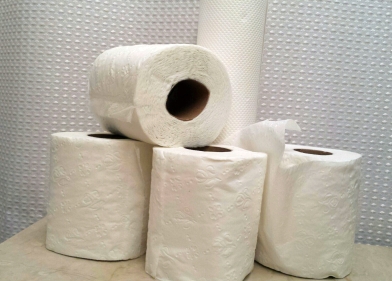
Walking the aisles of these big box stores feels overwhelming and too much. Do we need purple and green and pink toilet paper? Are those products a “green” company should support. Jeffrey Hollender, founder and former CEO of Seventh Generation, Inc. took a look at what companies are doing to confuse customers into thinking a company is going green, when in fact it’s not:
“In essence, Walmart is saying, ‘Hey, Walmart shopper, here’s a totally unsustainable product from one of our supposed Sustainability Leaders.’”
What do we do? Walmart and other box-stores are now planted as an option for shopping, for everyone, for everything. What do we need? Do we need so much? The visual of green and pink toilet paper is one I’d never thought of until now. Walmart’s not just going to go away. We’ve helped create it. Yet, it must change. It’s too important. They’ve got the power to do it. We’ve got the power to demand it.
I returned to my college town a few years ago. It had made a bit of a comeback. The diner I cooked for was gone. But a few coffee shops and new stores had taken hold. It’s the main street of postcards. The place where community gathers and owners greet customers. Between the Walmart model and the main street, a model exists where we can reduce our impact, empower local retailers, and promote that which truly is good for the planet.
This week’s program features Jesse Ash, principal and lead producer at Greener Media, an eco-conscious production company based in NYC. We discuss how storytelling via digital and film mediums, is an essential tool in helping raise awareness about environmental and social issues. Jesse has won a Webby for his animated short Magical Cure, and his current project, Common Ground, was recently screened at the United Nations and at the Smithsonian’s National Zoo in Washington, D.C. In addition, Greener Media’s short documentary, Man in the Maze, was a winner of the Sundance Short Film Challenge this year. To find out why Bette Middler has been deemed the “Queen of Green” and why it is helpful to have a celebrity name attached to a particular cause, you have to tune in. For more information go to: greenermedia.com
This week’s show takes us to the Mamapalooza Festival in NYC, which celebrates moms via education and entertainment. We spoke to “super mom” Joy Rose, founder of Mamapalooza and the Mom Rock Movement. She started the band “Housewives on Prozac” to not only rock out, but take us through the trials and tribulations of Motherhood. We also talked to Pierce Delahunt, a masters student at the Institute for Humane Education (IHE), to get some insight into education and how IHE is working to grow a more just, humane and healthy world. In addition, we chat with Brian Horowitz, host of the Rock and Roll History Show, about the greening of RVs and hitting the road in his solarized Air Stream. For more information go to mommuseum.org, humaneeducation.org and glacier-entertainment.com
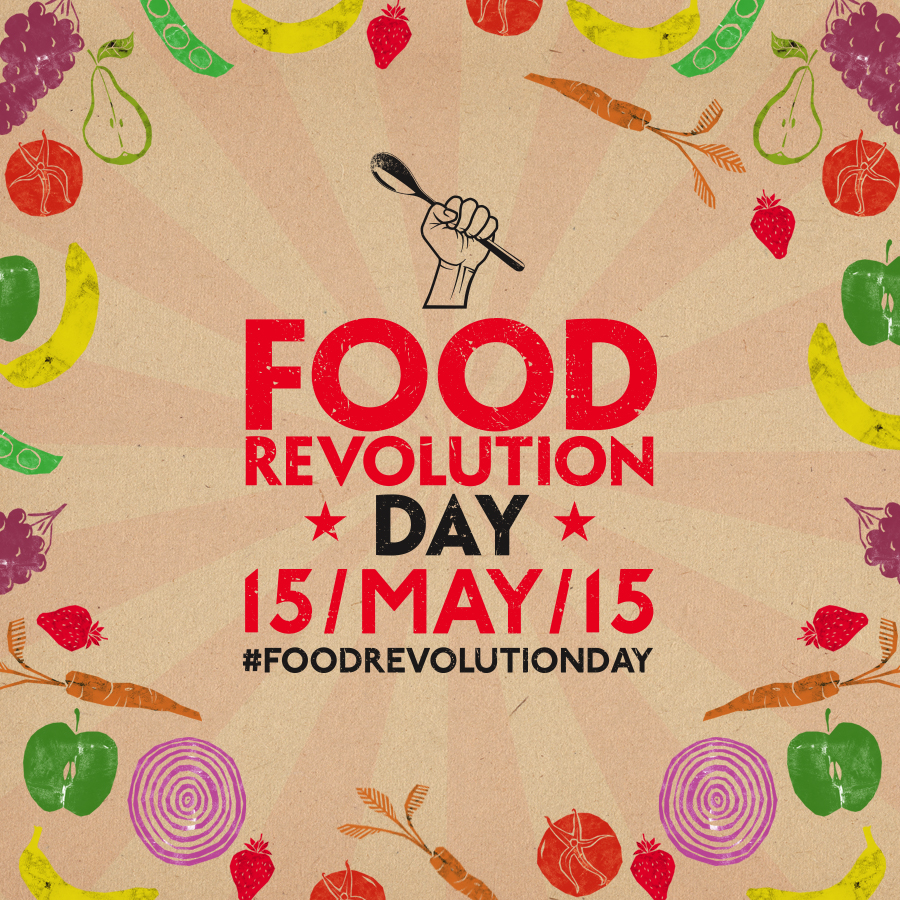
We eat too much. We eat the wrong things. According to Jamie Oliver, “Obesity is one of the three biggest social burdens created by human beings alongside smoking, and armed violence, war, and terrorism. Obesity costs $2 trillion dollars globally each year.” #FoodRevolutionDay is May 15th, a day Oliver wants us to join him in kicking off a campaign to change the way we eat at home, at school, and out. He’s got some highly talented help from Ed Sheeran, Hugh Jackman and Paul McCartney with this music video.
We’ve been buying into the corporate model since the advent of industrialism. Crops are modified; hormones and antibiotics are given to animals as routine business; pesticides flow freely; forests are cleared for immediate pay back; and the list grows. We’ve become robots of digestion and consumption.
McDonald’s growth isn’t declining because society wants “to speed up customer service,” as reported by Business Insider. Steve Easterbrook, the new CEO, says he’s going to turn McDonald’s around by introducing a better burger and removing antibiotics and “hard to pronounce ingredients” from its chicken in the US. Not enough. What about the beef? Consumers want healthy food – simple food – that fulfills its mission: Nutrition, health, and energy, which give back to life rather than take from it. The mighty Mac food conglomerate began a slow descent when its ingredients went public. As consumers, we’re becoming smart.
Jamie Oliver takes on the tough subjects. His goal is to implement food education in the school system. Not easy. I’ve worked in schools, and I’ve owned my own restaurant where I’ve watched this organic, eat-better/grow-better food movement on a national and international level. From Central America to Europe to the US, organic food and better eating practices are shaking up the way tradition has boxed in food. Oliver also aims to pave a path towards better eating at home. Also not an easy task. Even for me, an organic girl from way back, I struggle to feed my family with organic food and as little sugar and fats as possible. Challenging? Yes. Impossible? No. We can’t continue stuffing ourselves as the conventional model wants us to do. The more we demand higher quality, the more we’ll get it – and at a better price.
Back up to the World Health Organization’s last point about obesity: It is preventable. Our health reflects the health of our planet. If we’re sick, so is our food system. #FoodRevolutionDay is more than signing a petition. It’s a movement in awareness reflecting a change we not only need to happen, but also want to succeed.
Take some action: Sign the petition; buy something organic; make a salad; take a walk with someone you love. We can do this. Our lives depend on it.
 Billions of people around the globe are affected by the changes in climate every day. There are many stories that need to be told and many stories that need to be heard. My guest this week, Dayna Reggero, project director for the Climate Listening Project, has gathered stories from a variety of individuals and businesses about the direct effect of climate change on their lives and communities. Farmers, scientists, faith based and environmental groups are working towards solutions to adapt and build resilience to the extremes of climate change. We must connect actions to our words and work towards building a cleaner, greener world. Dayna has also been involved with the Showtime Series, Years of Living Dangerously, and has partnered with Laura Lengnick, author of the book Resilient Agriculture: Cultivating Food Systems in a Changing Climate. Dayna and Laura conduct storytelling workshops at colleges via the Cultivating Resilience Tour. For more info go to: daynareggero.com, @DaynaReggero and facebook.com/climatelisteningproject.
 Microbeads are not part of a kids craft project, they are tiny plastic particles which are entering the wildlife and human populations. My guest this week, Jordan Christensen, is the Program Coordinator for the Citizens Campaign for the Environment, and she is working to put pressure on our elected officials to ban the use of microbeads. She is also working on projects to limit raw sewage and toxins from entering the waterways, as well as reducing use of chemicals in schools. We have to write letters to our local and national representatives to let them know that Earth comes first. Go to www.citizenscampaign.org for more information.
 Do the electric slide into an EV (electric vehicle), and plug into a greener way to travel. My guest this week, Seth Leitman, a/k/a Green Living Guy, brings his expertise on vehicles that are electrifying the roadways. From Ford Fusion to Mitsubishi to Tesla, we learn about how the car industry is heading towards a more electric future. Seth’s Green Guru Guides and soon to be videos, are great tools to help you become a more sustainable Earthling. For more information go to greenlivingguy.com

 “Here comes the sun, here comes the sun and I say, it’s alright.” – George Harrison

 It’s summer time, which means that your inner zen takes control, and dreams of lush green forests, cool lakes, warm oceans and tropical gardens become reality. Be a sustainable citizen, consider the environment, and tool around in an electric car. While camping, keep the bugs away with natural herbal products. Join me and my guests this week, Rusti (Paula) Wolintz, realtor extraordinaire, BFF and electric car owner to be. Bonnie Rogers, expert herbalist and founder of Bonnie’s Herbals, and Brian Horowitz, my co-host today, who is the host of
 According the the Center for Disease Control and Prevention, childhood obesity has more than doubled in children and quadrupled in adolescents within the past 30 years. Enter the National Farm to School Network, which is working to bring local, fresh foods to school across the U.S., in an effort to reduce obesity, and bring healthy food choices to cafeteria menus. My guest this week is Jaime Lockwood, Development Director at the Farm to School Network, which helps connect local farmers with schools, chefs to cafeterias, and students to gardens. We talk about the importance of the Farm to School Act of 2015, and discuss how chefs inspire healthy eating, environmental awareness, and fitness via
 Why are environmental regulations important in helping reduce greenhouse gas emissions? The Clean Air Act and the Clean Power Standard Rule have been put into place to keep the air, land and water safe, in order to reduce the negative health effects of pollutants. Join me and my special guest, Elon D. Rubin, Esq., Environmental lawyer, entrepreneur, techie, musician and most importantly my awesome son, as we talk about the environmental regulatory process, and how citizens can participate in the process. The climate is changing, and we must be proactive in being resilient and adaptive to current and future climate challenges. For more information visit Edrlaw.com and epa.gov.

 box-stores are now planted as an option for shopping, for everyone, for everything. What do we need? Do we need so much? The visual of green and pink toilet paper is one I’d never thought of until now. Walmart’s not just going to go away. We’ve helped create it. Yet, it must change. It’s too important. They’ve got the power to do it. We’ve got the power to demand it.
 Jamie Oliver takes on the tough subjects. His goal is to implement food education in the school system. Not easy. I’ve worked in schools, and I’ve owned my own restaurant where I’ve watched this organic, eat-better/grow-better food movement on a national and international level. From Central America to Europe to the US, organic food and better eating practices are shaking up the way tradition has boxed in food. Oliver also aims to pave a path towards better eating at home. Also not an easy task. Even for me, an organic girl from way back, I struggle to feed my family with organic food and as little sugar and fats as possible. Challenging? Yes. Impossible? No. We can’t continue stuffing ourselves as the conventional model wants us to do. The more we demand higher quality, the more we’ll get it – and at a better price.