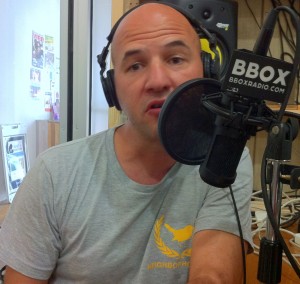
 Our guest, Dominick Gervasi takes us on a brief journey to parts of Brooklyn (Gowanus, Red Hook and Dumbo), as he walks us through the borough’s “Maker Movement.” He is the founder of “Made In Brooklyn Tours.” and we learn about how Brooklyn is on the forefront of manufacturing, building, custom furniture making, clothing design, coffee roasting and more. Find out what Dom’s greenest spot in Brooklyn is (it will surprise you). Being Local is being “GREEN”. Go to www.madeinbrooklyntours.com and book a tour with Dom to find out where stuff is made, who is making it and have some fun.
#1338: Richard Heinberg, Snake Oil
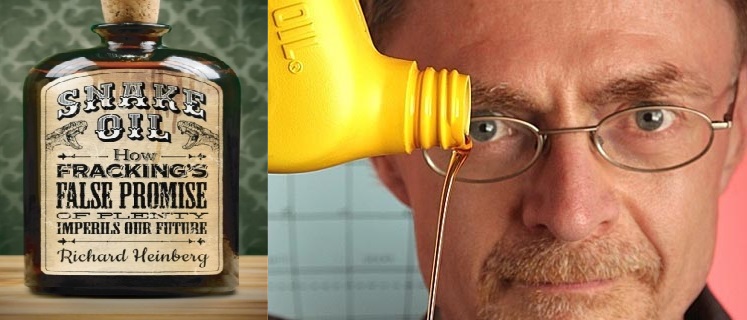
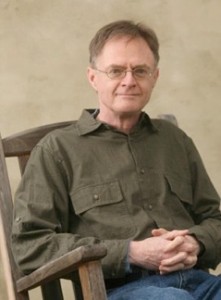 Like traveling medicine men in the old west, oil and gas companies are trying to sell us their panacea for our future energy needs. My guest Richard Heinberg, author of the book Snake Oil: How Fracking’s False Promise Imperials Our Future, explains why hydrofracking is not the cure all for America’s fuel needs. Beware of those selling you false elixirs! Tune in to find out how we stay clear of oil and gas con artists. Go to www.postcarbon.org for more info.
#1337: Vandra Thorburn, Vokashi
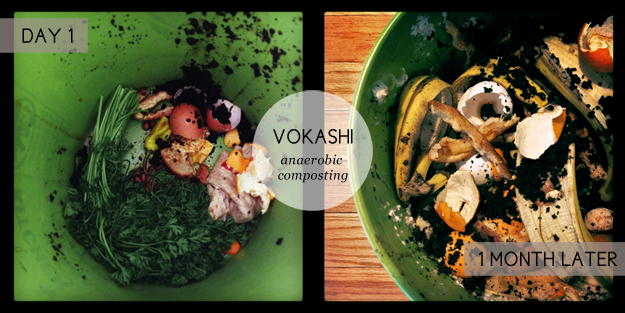
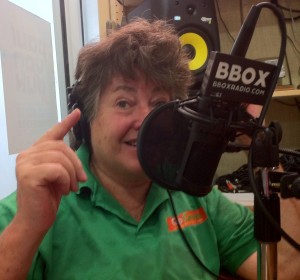
Kitchen scraps can be turned into compost with “magic” bran (EM Bokashi, a Japanese fermenting process) and a Vokashi eco bucket. Vandra Thorburn, founder of Vokashi waste solutions talks about how easy it is to take fruit and vegetable peels and other food scraps, and put the composted end product back into the soil and out of the landfills. Mother Earth will be happy to see us humans reduce, reuse and recycle our waste. For more information go to vokashi.com
#1330: Rodney North, Equal Exchange
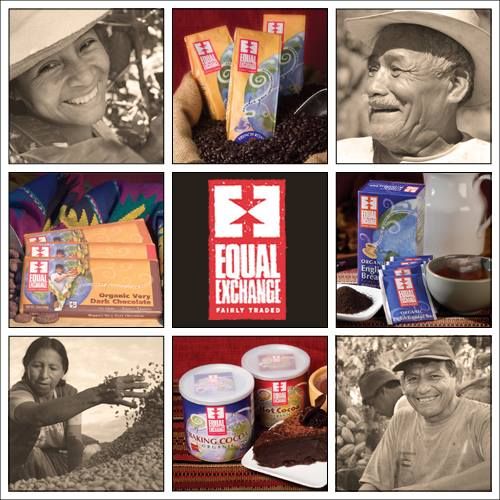
What are Fair Trade items and why should we buy them? Rodney North of Equal Exchange tells us how fair trade items are helping organic farmers both locally and globally by producing coffee, tea, bananas that are grown organically, and give workers living wages and good working conditions. Eat better and help a farmer, go to www.equalexchange.coop/community to find out more.
#1336: Clare Donohue
 Move over Sharknado, GASNADO is coming to a beach near you. Clare Donohue, founder of the Sane Energy Project is working to stop the Spectra Pipeline from making its way into your rivers, beaches, parks, streets and kitchens. It is not safe, and we’ll tell you why. Natural gas pipelines under your feet in a densely populated city is a disaster in the making. The harmful effects can be widespread. Lives and homes have been lost due to faulty pipelines (San Bruno,CA, Kansas City and more). Find out what you can do to help stop it. Go to www.saneenergyproject.org and get involved.
#1335: Anjie Cho
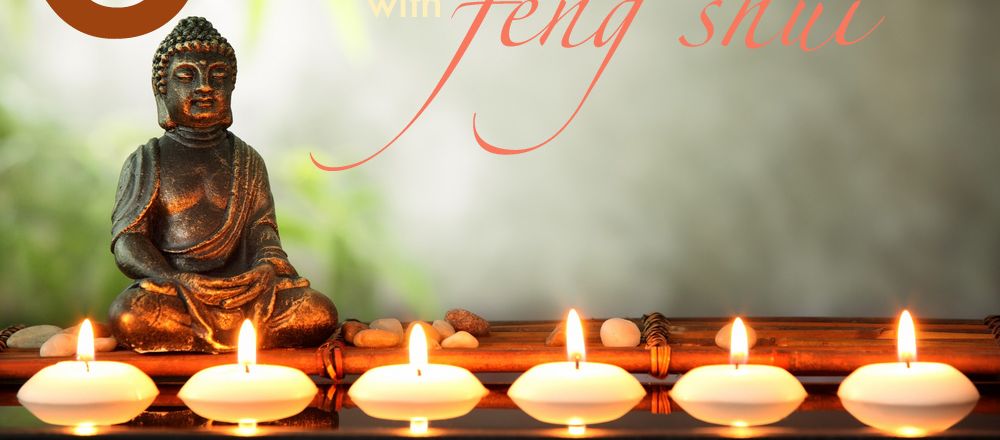
 Anjie Cho founder of Holisitc Spaces And LEED Certified Architect is my guest this week. We discuss the green benefits of Feng Shui in design, and how the energy of “chi” brings spirituality, beauty and sustainability to your home or office. Find out why the number 9 is important and why eco conscious behavior will help you put the “ohm” in your home.Go to anjiecho.com to get more info on Feng Shui and other eco design tips.
#1335: Anjie Cho
#1331: Mark Jupiter
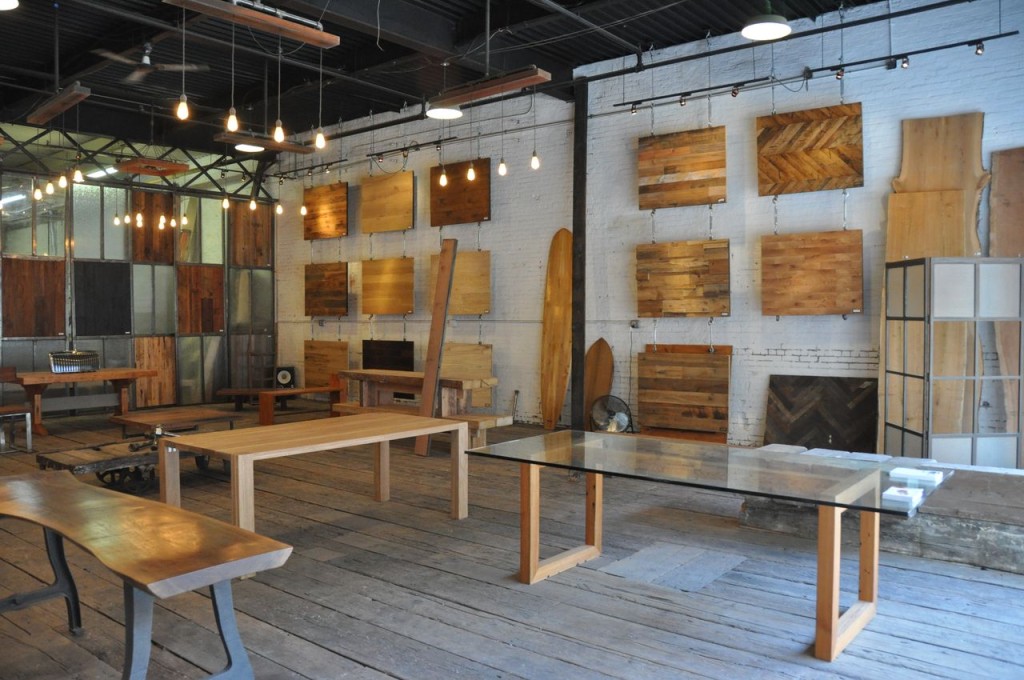
 Mark Jupiter hand crafts furniture from salvaged wood and other items found in and around NYC. We discuss how he gathered downed trees from the Brooklyn Tornado of 2011 and turned them into beautiful furniture. He is a true practitioner of the phrase “reduce, reuse and recycle”. He also is the founder of New World Home, which produces an award winning line of green fabricated homes. Visit Mark at his studio and showroom in Dumbo, Brooklyn and go to his website www.markjupiter.com to get more information on his custom crafted furnishings.
#1333: Casandra Teresa

 Art and recycling come together as we discuss conceptual sculpture using plastic bottles and other reusable material. We also delve into recycled art as a tool to educate students about the environment. Tune in to hear how Casandra Teresa works with students and other artists to get the word out about issues of sustainability.
#1329: Marisols
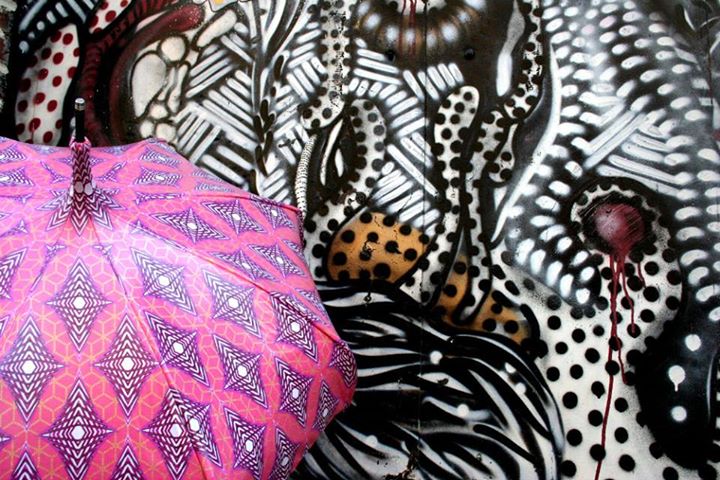
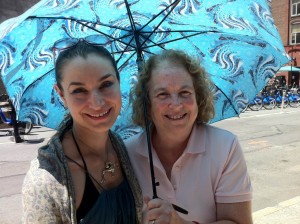 Art and social activism connect with Miranda Leigh, owner of Marisol, a company that produces hand made umbrellas, and works with the V-Day Project and other groups to stop violence against women. Check out www.marisols.org for more information.
Show #1334: Maureen Healy, CARP
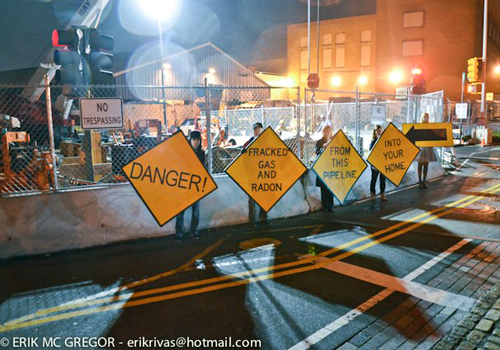
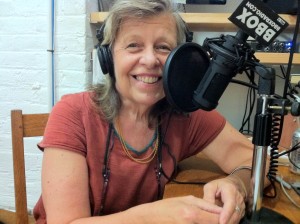 Spending a care free day at the beach will soon be a thing of the past, as a natural gas pipeline will be lurking underneath your beach blanket. There are plans for a pipeline to be built off Rockaway Beach and under Jacob Riis Beach and Gateway National Park. Tune in as my guest Maureen Healy explains why this is a very bad idea, and how the Coalition Against the Rockaway Pipeline (CARP) is fighting the Williams/Transco and state and federal agencies to stop the madness. Go to www.carpny.org for more info.
#1328: Envirocare, Chris Puleo
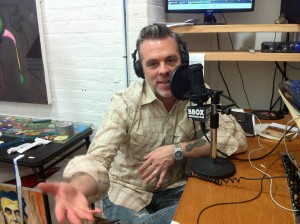 Everyone needs an annual physical check up and the same should hold true for your home. Chris Puleo from Envriocare, takes us step by step through a home energy assessment. Save money and save the planet. Go to www.eaqr.com
1332: No Netz Bathing Suits
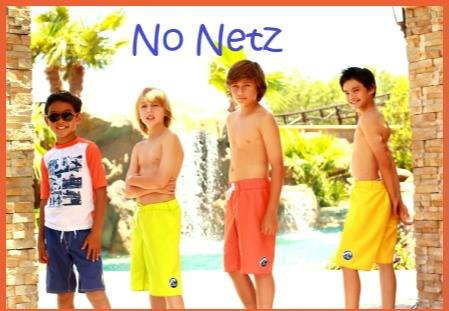
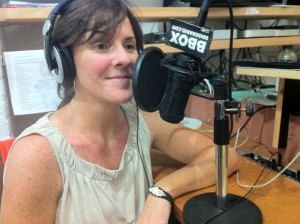 Bathing Suits Made in Brooklyn that have comfort and support the local community. Kym Timpano and I discuss how NoNetz came about, why it is made in Brooklyn, and how making things local helps the planet. Go to NoNetz.com for more information.