
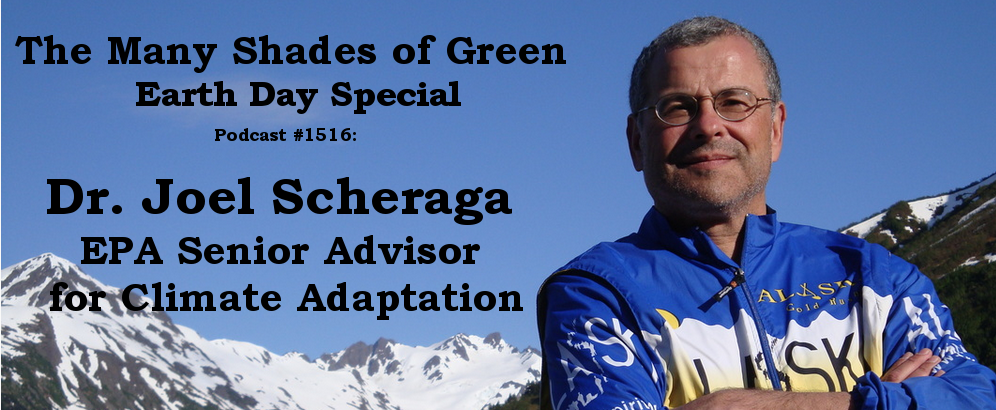
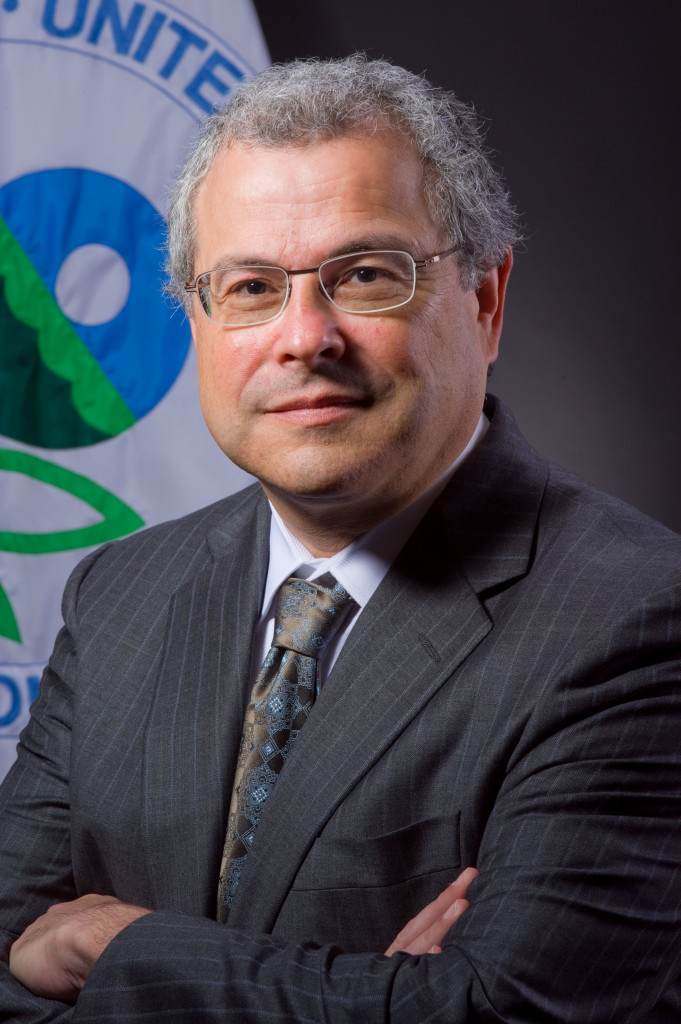
 The First Earth Day took place on April 22,1970 and on this week’s episode, we celebrate the 45th Anniversary of Earth Day, as well as the 45th year of the EPA, with special guest, Dr. Joel Scheraga, Senior Advisor for Climate Adaptation at the U.S. Environmental Protection Agency. The climate is changing, and we have to adapt to the results of those changes, which are coming in the form of more intense weather, super storms, droughts, pollution, and an increase in greenhouse gas emissions. The change in climate is causing the oceans to get warmer, and the temperatures are rising globally. This rise cannot continue, as it is causing degradation of natural resources, and is affecting human health and safety. We do have the power to help reduce our carbon foot print. Simple things like taking shorter showers, changing light bulbs to LEDs, recycling, reusing and reducing our consumption can make a big difference. We have to be more conscious of how our actions affect the planet, and take small steps to make things better. The EPA is working to help us adapt to climate change. For more information go to EPA.gov.
#1516: Earth Day Special with Dr. Joel Scheraga, EPA Senior Advisor by The Many Shades Of Green on Mixcloud
Watch the full “Cost of Inaction” video on youtube which plays on the show:
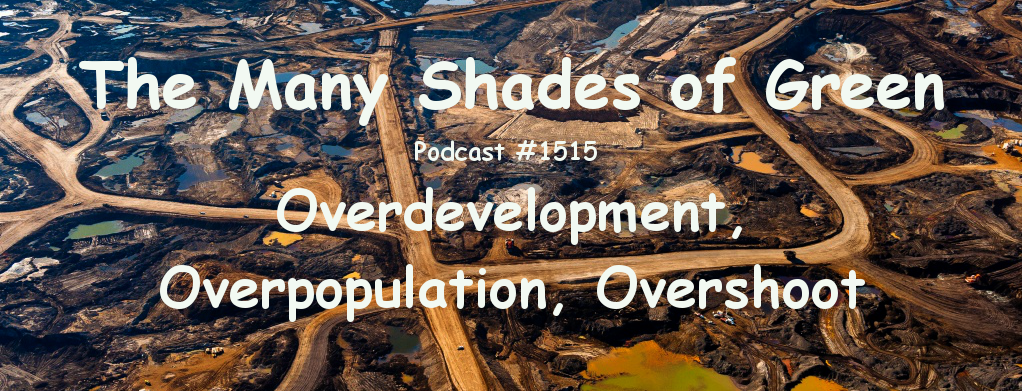
 Overdevelopment, Overpopulation, Overshoot – Tom Butler’s new large format coffee table book, tells the story of how population increase, and the rise of the industrial complex, has led to social, economic and environmental problems world wide. The phrase ” a picture’s worth a thousand words” is most evident in the photos taken during this three year journey to expose man’s quest to dominate the planet, and leave sprawl, over growth, disease and destruction in its path. We over indulge, over-plug, and over saturate this beautiful planet, with blatant di

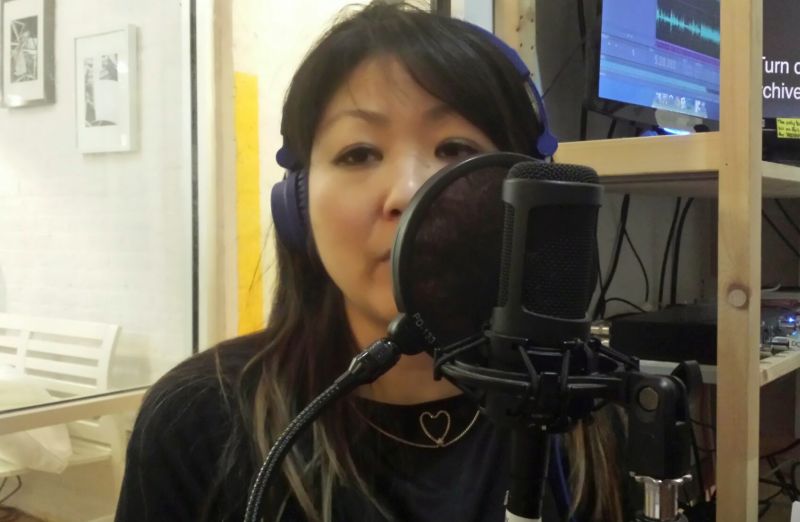

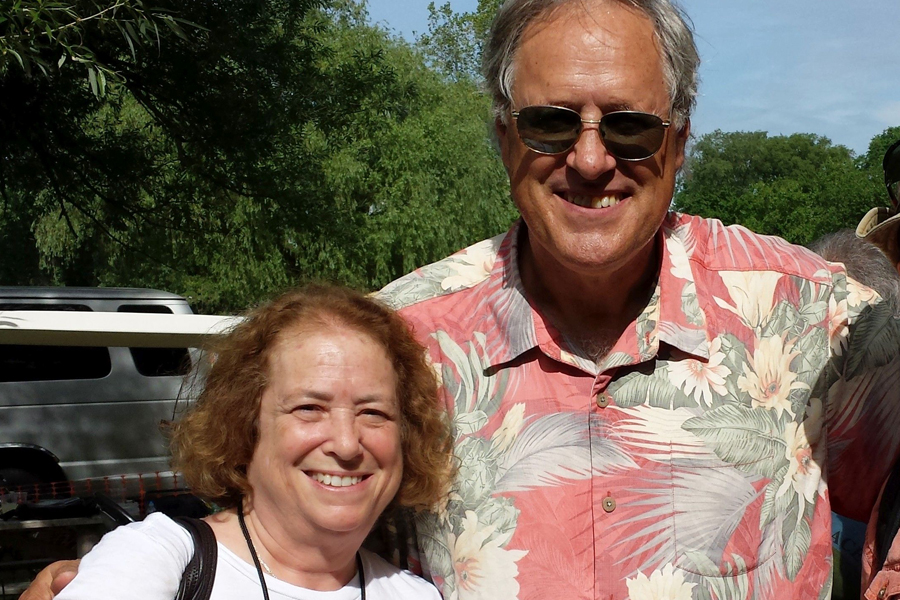 The Clearwater Festival was like stepping into a time warp and re-living moments of Peace, Love and Understanding through music, activism and innovation. It was wonderful to roam the festival grounds at Croton Point Park with my co-producer Abba Carmichael, my sound engineer Brian Horowitz, and summer research assistant Marco Spodek. We met and chatted with wonderful musical artists Dar Williams, Tom Chapin and more. The festival was dedicated to the late and legendary, Pete Seeger, who was the original founder of the festival. Various versions of the song Wimoweh/The Lion Sleeps Tonight, a song near and dear to me, filled the air throughout the day. I highly recommend attending the festival, so check out
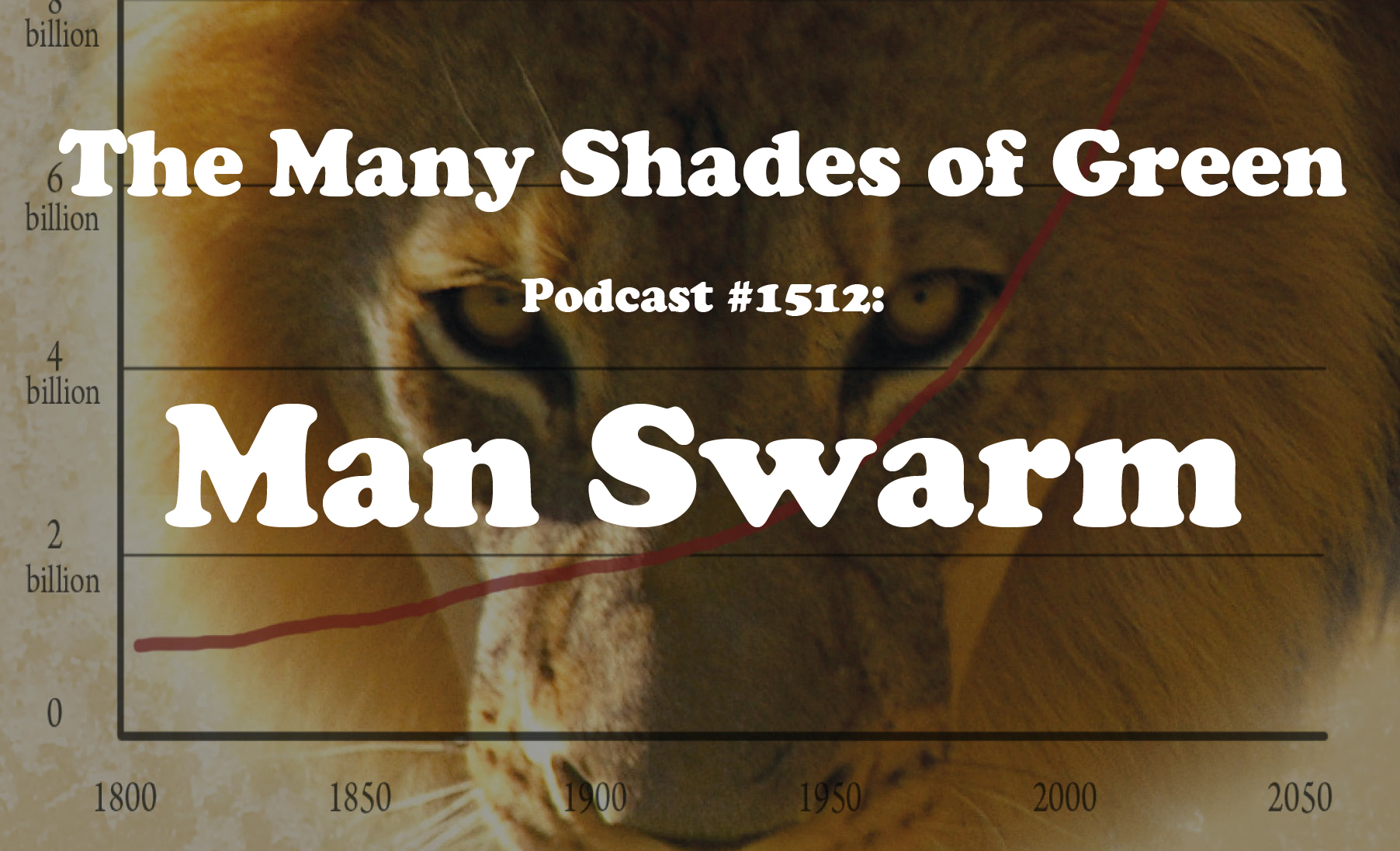
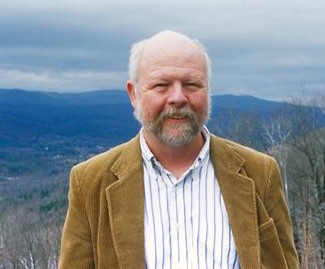 What comes first, the Earth or Earthlings? There are a lot of us humans on the planet, and we have to start thinking about keeping our numbers down. Join me and my guest Dave Foreman, activist, author, and founder of Earth First!, the Wildlands Project, and the Rewilding Institute, as we discuss his latest work, a new revised of edition of his popular title, MAN SWARM: How Overpopulation is Killing the Wild World, which is co-authored with Laura Carroll, author of The Baby Matrix. Population is one factor in the environmental degradation of the planet. Should there be a one child policy in the US or should we stop having babies altogether? What can be done to solve this problem? Tune in to find out. For more information go to
 “We are keepers of the planet, we are protectors of the water, the land, the air.” Join me and my guest Don Raskopf, a member of the Board of Directors for Clearwater, and co-founder of Ban Fracking Now, as we delve into topics of fracking, train transportation of bakken crude oil, green building and the musical connection to Clearwater via one its founders, Pete Seeger. Music continues to be the message, as it is the force behind social movement and activism. For more information about Clearwater and the upcoming Clearwater Festival go to
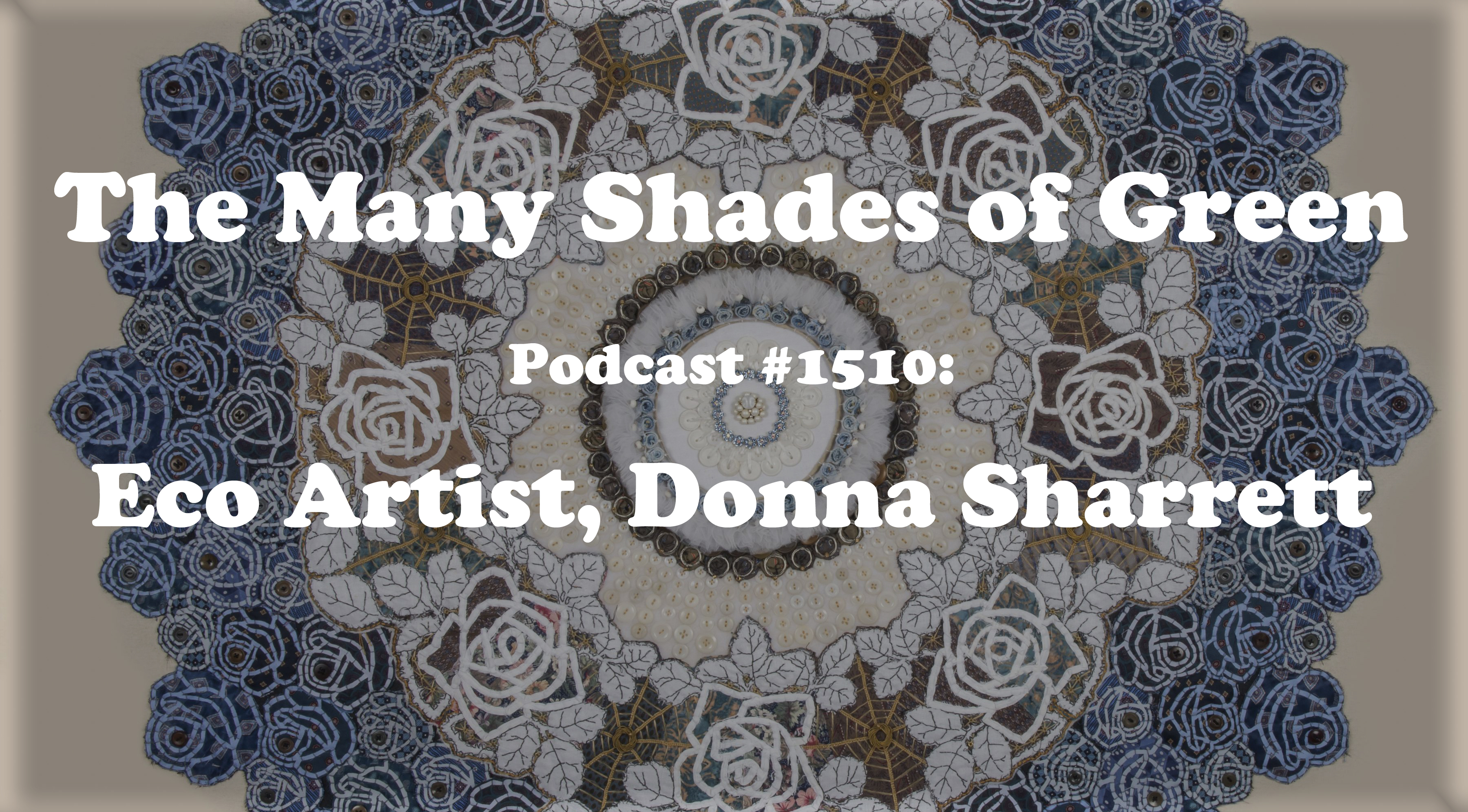
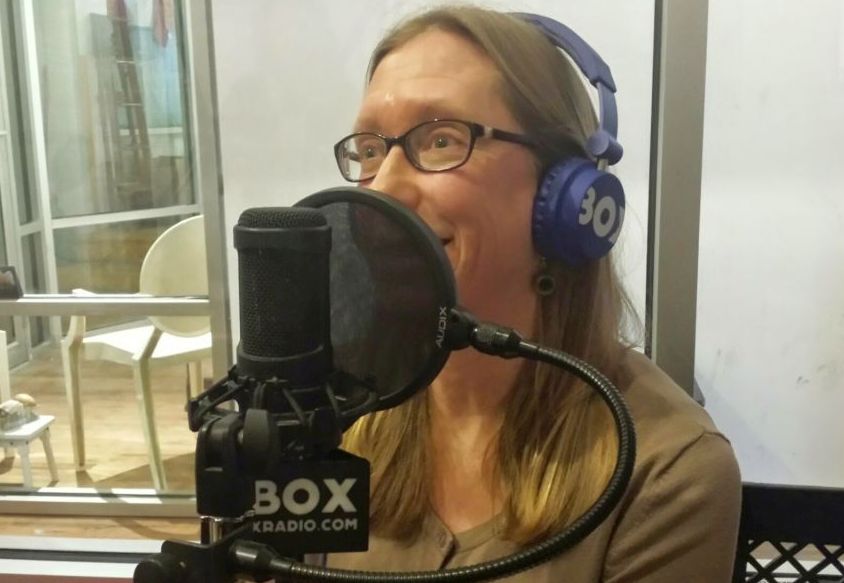 My guest this week is the multi-talented artist Donna Sharrett, whose most recent exhibit, Love Songs, captivated art lovers with a beautifully crafted array of pieces that were intricately assembled using materials donated and re-used. This collection of artwork was formed from Donna’s memories, as she re-used fabric, jewelry, dirt, guitar strings and other items to create these beautiful pieces. We also talk about how Patti Smith was in some small way part of the exhibit via her song, Dancing Barefoot. Donna is also a master gardener and started the Community Garden in Ossining, NY. Art and the environment are interconnected, and Donna is a prime example how that connection is made. For more information go to
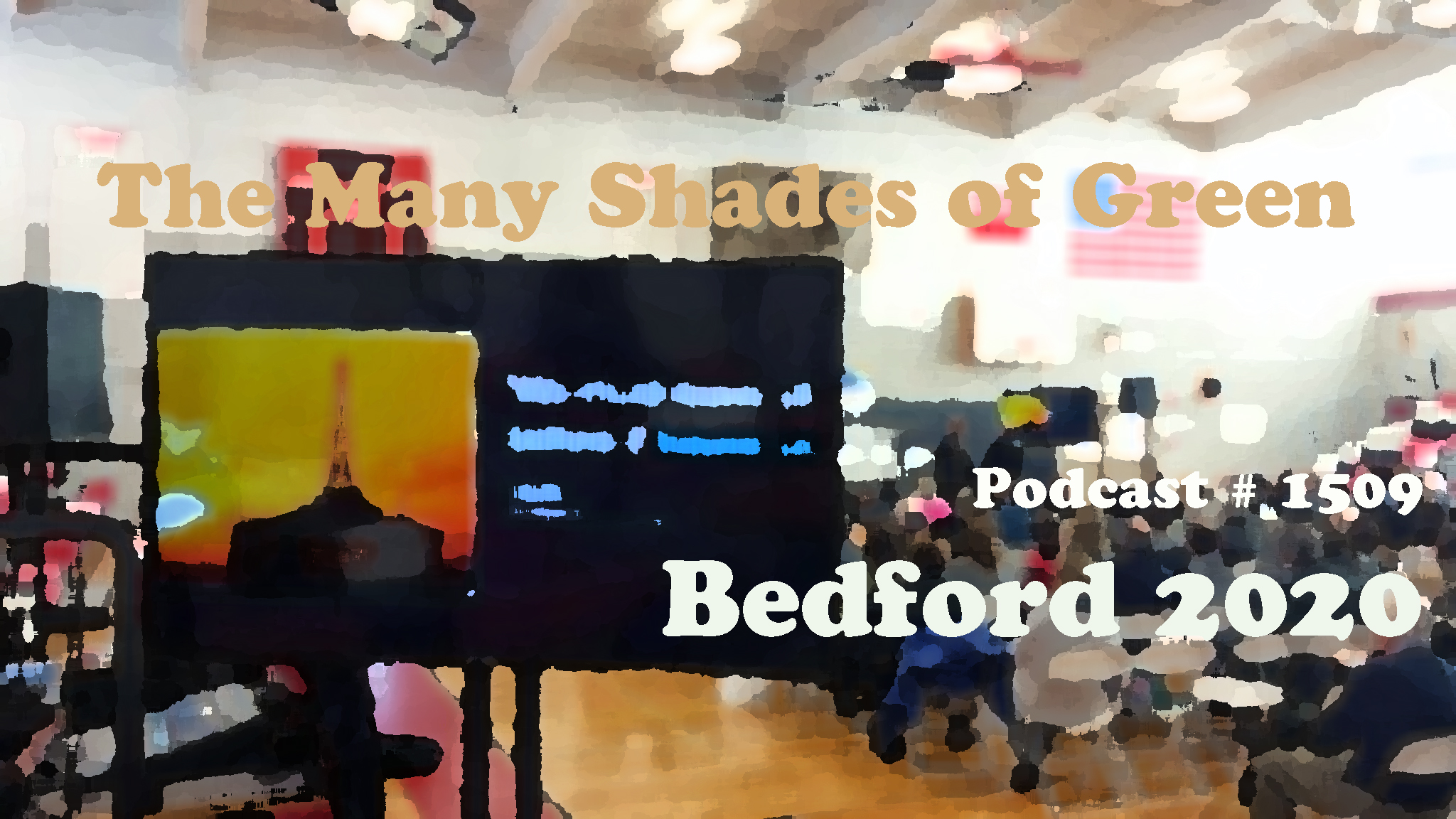
 This week’s program takes place at the Bedford 2020 Summit and Solar Action Day. We spoke to Andrew Revkin, writer of the Dot Earth Blog for the New York Times, as well as Peter Olmsted, East Coast Regional Director for Vote Solar. We also spoke to Mayor Michael Cindrich of Mt. Kisco, NY about the solar projects on his agenda. Keynote Speaker Amory Lovins, of The Rocky Mountain Institute, spoke about new energy technologies that are on the horizon for the future of electricity. It was a gathering of innovators, educators and community, all working to promote solar and other renewable energy, in an effort to help create actionable solutions to green house gas emissions. A special thank you to Heather Flournoy for her hard work and hospitality. For more information go to
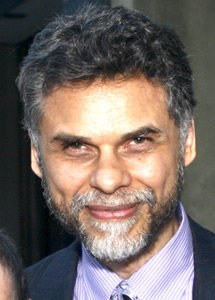 We are all interconnected to one another, yet the cultural mindset continues to focus on the me, rather than the we. My guest this week, Rick Ulfik, founder of We the World, is moving to change the paradigm by promoting awareness of the need for creating a more humane spirit, by enlisting change agents from around the globe, to build a more peaceful, sustainable and empathetic world. We the World works to develop global networks of collaboration via the 11 Days of Global Unity, and 11 Ways to Change the World. It’s time for the collective will of the citizenry to use the power of WE! For more information go to
 Join me and my guest, author
 Many species are in decline because of climate change. In Part 2 of our talk with Bonnie Wyper, President and Executive Director of Thinking Animals, we discuss what actions can be taken to help stop the destruction of animal habitats due to urban sprawl, air and water pollution, as well as poaching (especially in the ivory trade). Big Ag farms treat animals with little regard to their emotional feelings. Cattle, chickens and pigs are penned up and/or caged with no room to move around, and are led to slaughter in cruel and inhumane conditions. There are ways to change our behavior to stop the destruction of animal habitats, and to work to make life better for the non-human creatures who inhabit the Earth. As humans, we must do better, and we must create a world fit for all the inhabitants of the planet. Conservation is key to making that happen. Go to
 If we could talk to the animals, just imagine it, chatting to a chimp in chimpanzee, imagine talking to a tiger, chatting to a cheetah, what a neat achievement that would be. In Part 1 of my talk with Bonnie Wyper, President and Director of Thinking Animals, we delve into the topic of animal behavior and cognition. Charles Darwin once said that “Evolution is not just the physical body, but our emotional sides as well.” Bonnie and I discuss how animals experience joy, stress, thought and nuance, and are more complex than humans know. Most humans think of themselves as superior beings, and species are being decimated because of that thought process. We need to step up and treat all creatures humanely. For more information go to