On this episode of 50 Shades of Green Divas, Meg and I chat with guest Summer Rayne Oakes about how houseplants and beneficial bugs create a healthy environment in your home. Unless the plant is Seymour from The Little Shop of Horrors, plants are very important as natural air filters, as well as adding color and vibrancy to your house decor. We also talk about her new book Sugar Detox Me, and why it is important to reduce sugar in your diet. So think twice before you swig down that cola or eat that piece of pie. For more information go to homesteadbrooklyn.com and sugardetox.me
Crowded trains, broken roads, and traffic jams are all part of the commuting nightmare we face as citizens living in the NY Metro area.
Traffic, what is it good for, absolutely nothing…. Crowded trains, broken roads, and traffic jams are all part of the commuting nightmare we face as citizens living in the NY Metro area. There are solutions at hand, and our guest this week, Alex Matthiessen, who is the Director of the Move NY Campaign, and President of The Blue Marble Project is working on those solutions. How can the NY Fair Plan help decrease traffic congestion, and create a source of funding for the MTA and City Transit to make improvements to fix the problems? It’s time to bring our transportation system into the 21st century. Listen in and learn how. Get more info at iheartmoveny.org
This week’s show goes “nuclear” as we talk to John Kelly, former Director of Licensing at the Indian Point Nuclear Energy Center
This week’s show goes “nuclear” as we talk to John Kelly, former Director of Licensing at the Indian Point Nuclear Energy Center, which is currently operated by Entergy. He was also the radiation protection manager at the plant, and has vast knowledge of plant operations, and how nuclear power works to create energy. Tune in to find out how spent fuel rods are stored, and other facts about the nuclear industry. For more info go to nrc.gov (see nuclear reactors).
My guest this week is Carl Gilpatrick, Senior Sewer Operator for the Town of Stony Point, NY. We discuss the essence of effluence a/k/a how waste gets treated when it is flushed, what sludge is comprised of, and what goes through the sewer system. The process is quite interesting, and sewage treatment plants are crucial to proper waste management, as well as the health and safety of the citizenry. There are things that should never be flushed or be put down the drain. Tune in to find out what those items are. You can get more info by visiting www3.epa.gov
Electric cars are cool, electric cars are fun, electric cars don’t pollute the air we breathe, so why aren’t there more of them on the road? My co-host Brian Horowtiz and I chat about this and other topics, with my guest Seth Leitman, Green Living Guy. Seth is an EV car aficionado, and author of a series of books called the Green Guru Guides. He is working with the Solarize initiative in Westchester County to promote solar energy. Seth will be lecturing and touring colleges this Spring, to spread the word about green living. For more information go to greenlivingguy.com
Ladies of green radio are kindred spirits who are working hard to make sustainable living an integral part of everyday life. So it is fitting that my guest this week, Megan McWilliams, a/k/a Green Diva Meg and I discuss the importance of grassroots green radio. Meg is the founder, producer and host of the Green Divas Radio show and podcast. She works to amplify the voice of green reason, and throws in humor and compassion to spread the eco message. I am happy to be a part of the Green Divas Radio Network, and I can proudly call myself Green Diva Max. Hail to all the ladies of green media! For more information go to thegreendivas.com and/or GDGDRadio.com
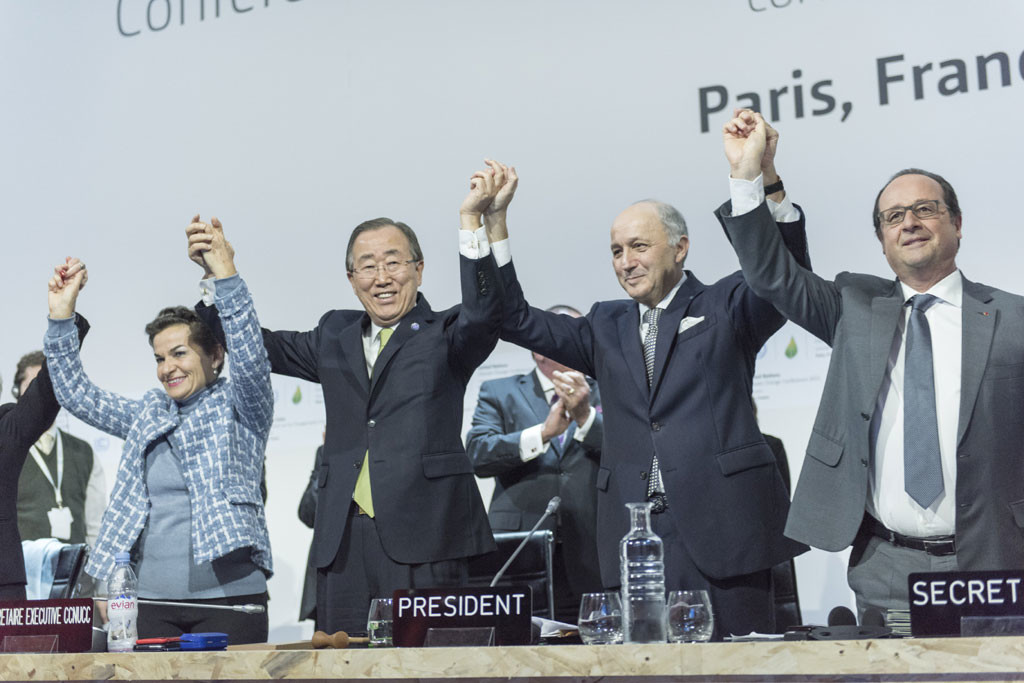
With the agreement of a landmark accord reached between 196 nations to reduce greenhouse gas emissions and commit to truly working towards change, the planet has a chance to survive. We have a shot at making it.
Something happened when I heard the news of the accord. I didn’t rush to look up all the details of the agreement. Instead of wondering about the facts, I felt a sense of peace. It was as if what we do on the local level and in our homes really does matter. When nations all over the globe decided to finally get to work on these issues, get our priorities straightened out, and look the problem in the eye, it made the daily tasks I do in my home actually feel like they make a difference.
If the nations had fought to no avail, looked the other way, or ignored the problem, and gone home without an agreement, I think all of us would have felt a little differently. Perhaps in a subtle way, we might have stopped working so hard. We might have lost hope. It is hard to fight such a large battle without the unity of nations and without leadership at the highest levels.
Now, I can look again at my habits that help curb waste, lower greenhouse gases, and bring stability and life into our existence. Sorting out trash and recycling, and using that glass bottle over and over again, doesn’t seem like wasted effort. Taking the bus or carpooling feels like a good choice. Buying less stuff finally feels like it adds up to a real solution.
With acknowledgement at the highest levels, we can now look optimistically towards our future. It’s time to look into new ways to lower my impact on the planet. None of this change is easy, but we’ve spent too much time taking the easy way out. There’s something we can do every day to change things for the better.
Now that the big players are part of the game, we have a chance at winning.
This weeks episode takes us to the Global Women’s Climate Justice Day of Action at the UN, sponsored by the Women’s Earth and Climate Action Network (WECAN). This event was attended by women from over 50 countries. To have such a collection of amazing women in one place, who presented stories of courage and resilience in combating climate change was deeply touching. Women play a key role in adapting solutions to climate change, and it was an honor to speak with WECAN founder Osprey Lake, environmentalist visionary Sally Ranney, as well as Neha Misra founder of Solar Sister, Harriet Shugarman Executive Director of ClimateMama, Executive Director of CELF Katie Ginsberg and student Coreena, and Patricia Gualinga-Montalvo, Indigenous Leader of Ecuador, whose interview was translated by Amazon Watch’s Executive Director Leila Salazar-López. For more information visit wecaninternational.org
“Between its celebrations of privilege, and the angst of its reckonings, human life gathers unto itself a chaos of contradictions… If we are ceaseless tamperers, we are also from time to time unobtrusive, Though we shout, so may we whisper.” (Michael Charles Tobias, quote from his work, After Eden: History, Ecology and Conscience) My guest this week is Michael C. Tobias, President of Dancing Star Foundation, who is a global ecologist, humanitarian, explorer, author, filmmaker, educator and animal rights activist. 195 nations are set to converge in Paris, a city recently struck by incomprehensible acts of terrorism, for the COP 21 (Conference of Parties), with the hopes of reaching an agreement to to set limits on carbon emissions to reduce the detrimental effects of global warming. Rich and poor nations must gather to form partnerships to be agents of change, rather than agents of destruction. Negative ideology has to be redirected, and ethics, compassion and morality, along with science and technology must lead the way to solutions. For more information go to www.dancingstarfoundation.org
How compassionate is the New York State Compassionate Care Act of 2014 legalizing the use of medical marijuana? My guest this week, New York State Senator Liz Krueger, a lead advocate for legalizing marijuana for both medicinal and also for recreational use, gives us some insight into the pros and cons of the current bill, and why it needs to be enhanced to allow coverage for more diseases. Senator Krueger has also sponsored the Fossil Fuel Divestment Act to limit the investment in oil and gas stocks in NYS pension funds. For more information go to: nysenate.gov/senators/Liz-Kruger or send a tweet @LizKrueger
Billions of people around the globe are affected by the changes in climate every day. There are many stories that need to be told and many stories that need to be heard. My guest this week, Dayna Reggero, project director for the Climate Listening Project, has gathered stories from a variety of individuals and businesses about the direct effect of climate change on their lives and communities. Farmers, scientists, faith based and environmental groups are working towards solutions to adapt and build resilience to the extremes of climate change. We must connect actions to our words and work towards building a cleaner, greener world. Dayna has also been involved with the Showtime Series, Years of Living Dangerously, and has partnered with Laura Lengnick, author of the book Resilient Agriculture: Cultivating Food Systems in a Changing Climate. Dayna and Laura conduct storytelling workshops at colleges via the Cultivating Resilience Tour. For more info go to: daynareggero.com, @DaynaReggero and facebook.com/climatelisteningproject.
Microbeads are not part of a kids craft project, they are tiny plastic particles which are entering the wildlife and human populations. My guest this week, Jordan Christensen, is the Program Coordinator for the Citizens Campaign for the Environment, and she is working to put pressure on our elected officials to ban the use of microbeads. She is also working on projects to limit raw sewage and toxins from entering the waterways, as well as reducing use of chemicals in schools. We have to write letters to our local and national representatives to let them know that Earth comes first. Go to www.citizenscampaign.org for more information.
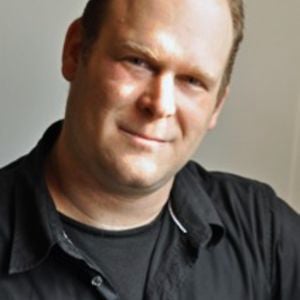 Electric cars are cool, electric cars are fun, electric cars don’t pollute the air we breathe, so why aren’t there more of them on the road? My co-host Brian Horowtiz and I chat about this and other topics, with my guest Seth Leitman, Green Living Guy. Seth is an EV car aficionado, and author of a series of books called the Green Guru Guides. He is working with the Solarize initiative in Westchester County to promote solar energy. Seth will be lecturing and touring colleges this Spring, to spread the word about green living. For more information go to greenlivingguy.com
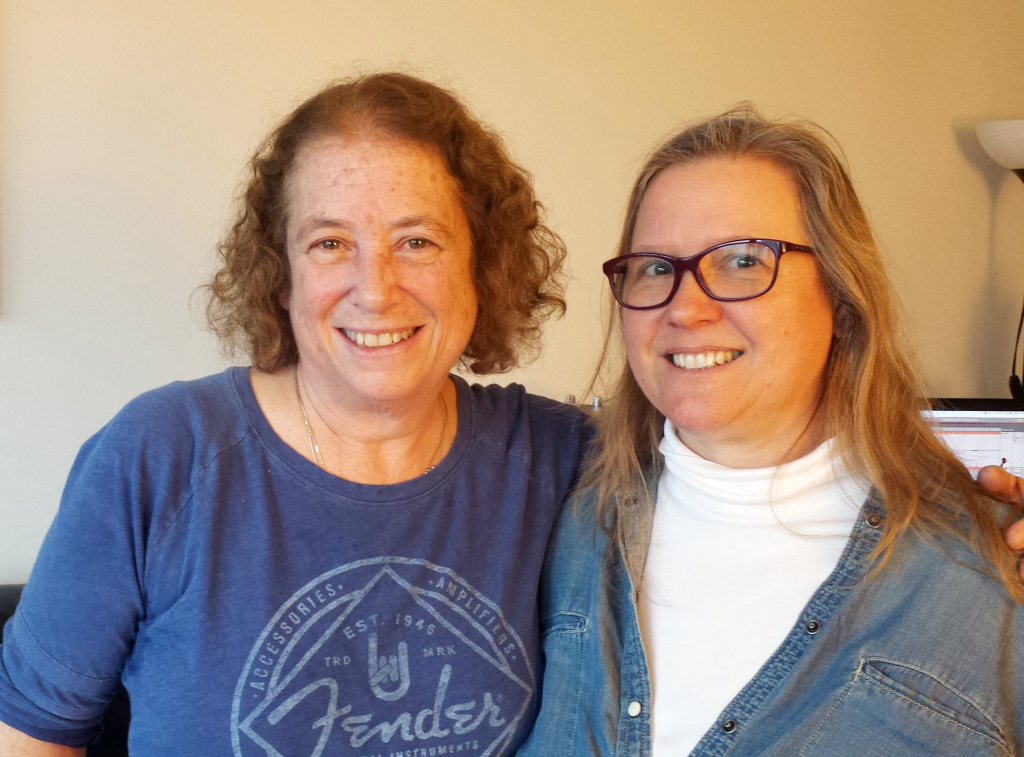 Ladies of green radio are kindred spirits who are working hard to make sustainable living an integral part of everyday life. So it is fitting that my guest this week, Megan McWilliams, a/k/a Green Diva Meg and I discuss the importance of grassroots green radio. Meg is the founder, producer and host of the Green Divas Radio show and podcast. She works to amplify the voice of green reason, and throws in humor and compassion to spread the eco message. I am happy to be a part of the Green Divas Radio Network, and I can proudly call myself Green Diva Max. Hail to all the ladies of green media! For more information go to
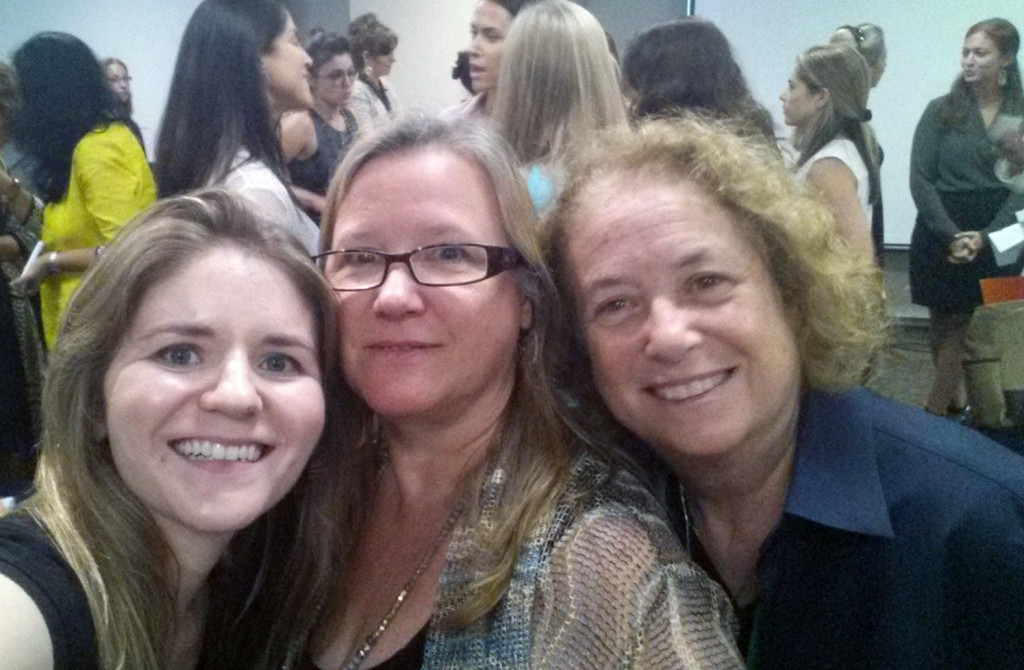 This weeks episode takes us to the Global Women’s Climate Justice Day of Action at the UN, sponsored by the Women’s Earth and Climate Action Network (WECAN). This event was attended by women from over 50 countries. To have such a collection of amazing women in one place, who presented stories of courage and resilience in combating climate change was deeply touching. Women play a key role in adapting solutions to climate change, and it was an honor to speak with WECAN founder Osprey Lake, environmentalist visionary Sally Ranney, as well as Neha Misra founder of Solar Sister, Harriet Shugarman Executive Director of ClimateMama, Executive Director of CELF Katie Ginsberg and student Coreena, and Patricia Gualinga-Montalvo, Indigenous Leader of Ecuador, whose interview was translated by Amazon Watch’s Executive Director Leila Salazar-López. For more information visit
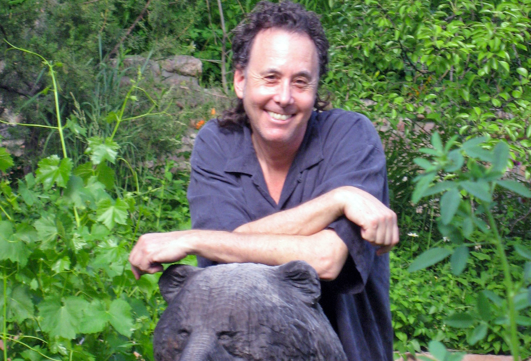

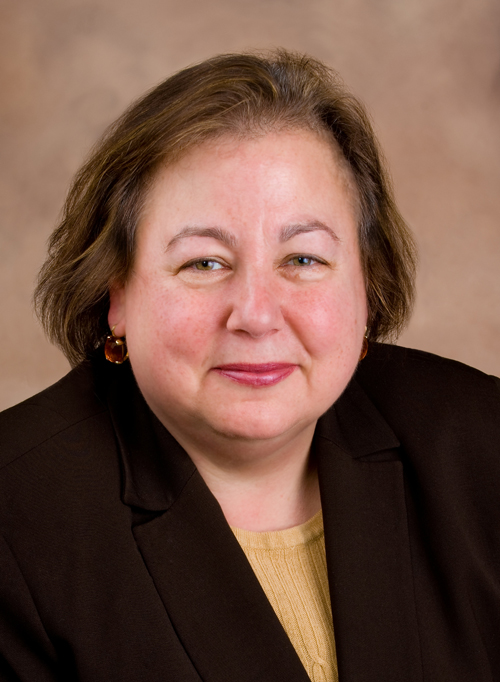 How compassionate is the New York State Compassionate Care Act of 2014 legalizing the use of medical marijuana? My guest this week, New York State Senator Liz Krueger, a lead advocate for legalizing marijuana for both medicinal and also for recreational use, gives us some insight into the pros and cons of the current bill, and why it needs to be enhanced to allow coverage for more diseases. Senator Krueger has also sponsored the Fossil Fuel Divestment Act to limit the investment in oil and gas stocks in NYS pension funds. For more information go to: nysenate.gov/senators/Liz-Kruger or send a tweet @LizKrueger
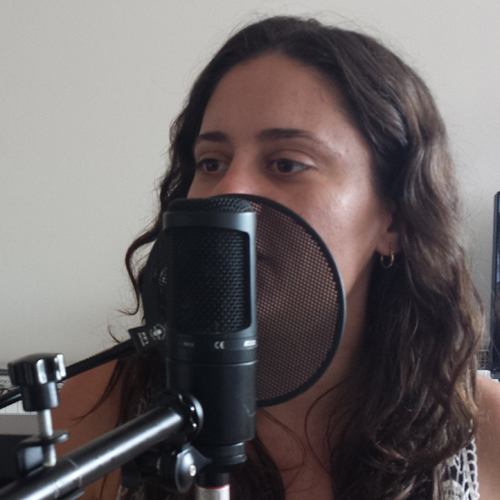 Billions of people around the globe are affected by the changes in climate every day. There are many stories that need to be told and many stories that need to be heard. My guest this week, Dayna Reggero, project director for the Climate Listening Project, has gathered stories from a variety of individuals and businesses about the direct effect of climate change on their lives and communities. Farmers, scientists, faith based and environmental groups are working towards solutions to adapt and build resilience to the extremes of climate change. We must connect actions to our words and work towards building a cleaner, greener world. Dayna has also been involved with the Showtime Series, Years of Living Dangerously, and has partnered with Laura Lengnick, author of the book Resilient Agriculture: Cultivating Food Systems in a Changing Climate. Dayna and Laura conduct storytelling workshops at colleges via the Cultivating Resilience Tour. For more info go to: daynareggero.com, @DaynaReggero and facebook.com/climatelisteningproject.
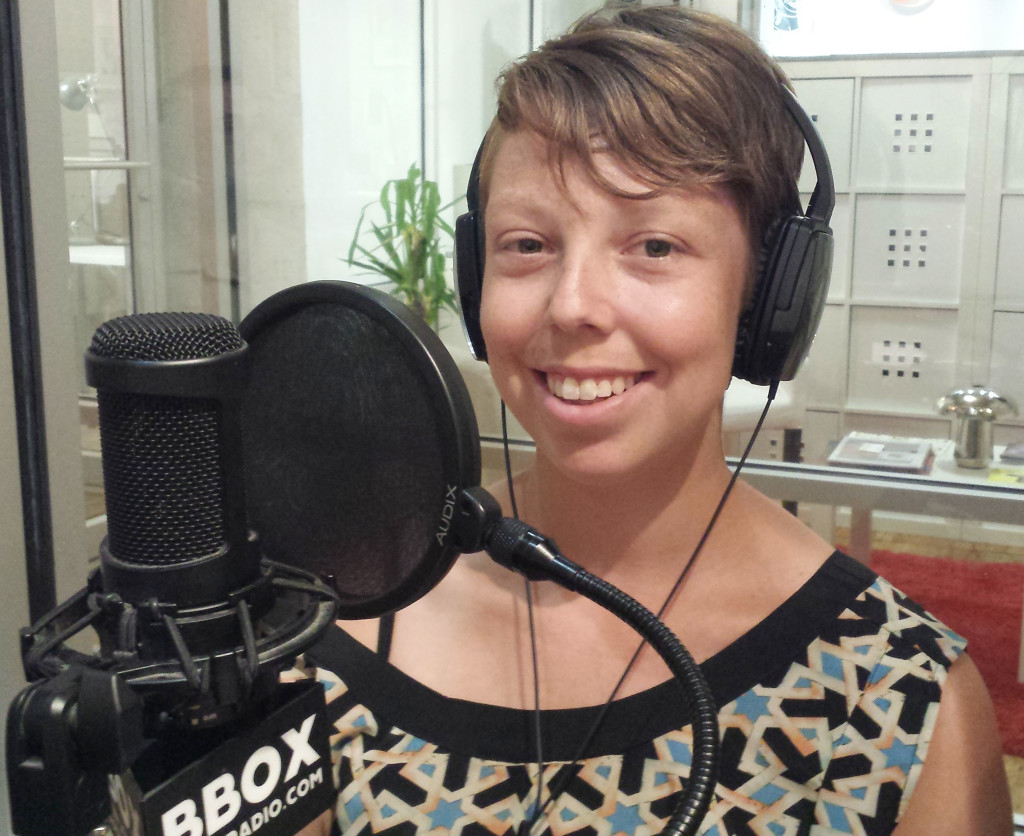 Microbeads are not part of a kids craft project, they are tiny plastic particles which are entering the wildlife and human populations. My guest this week, Jordan Christensen, is the Program Coordinator for the Citizens Campaign for the Environment, and she is working to put pressure on our elected officials to ban the use of microbeads. She is also working on projects to limit raw sewage and toxins from entering the waterways, as well as reducing use of chemicals in schools. We have to write letters to our local and national representatives to let them know that Earth comes first. Go to www.citizenscampaign.org for more information.