

By Susan Lutz
Tests came back from our school’s water samples. The results indicated elevated levels of lead and copper in faucets throughout the system. Drinking fountains were shut off; signs posted. Our school initiated testing, something they did voluntarily. Many samples were “first draws,” from the water sitting in the faucets during the night. Fixing water supplies is a difficult and expensive task. I threw extra water bottles for my son into his backpack. He’d been in some of the rooms that tested positive. Water fountains are located right in many of the rooms. He loves drinking fountains. I’ve watched kids saunter up to fountains after a good romp on the playground. They are empowered, quenching their thirst on their terms and rewarding their body and mind for a job well done. Clear and cold, the water tasted great and at the same time, full of toxins.
Flint, Michigan. Once the words meant simple a town, now they spell a disaster. Many schools around the country report problems with their water supply. Old buildings mean aging pipes. Schools struggle with budgets to keep up everything from teachers to infrastructure. The story in Flint raised a flag of the dangers in our waters supply across the country.
I’ve always worried about toxins in water. When I lived in Central America, water was checked for the levels of cockroach droppings in it. Chlorine was a regular addition to many water supplies. I tried keeping up with buying bottled water, but news reports showed even that supply was tainted, and, the price kept going up. Bottled water adds yet another dimension to the environmental impact that fills the land with plastic. Many of the brands of bottled water are not better than the water from the tap and the cost can be 2000 times more than tap water. Yet, now what? Does bottled water now return as our water source? What do we do?
My son runs to a water fountain with such glee. The water flies out, and he takes a sip. I can’t always stop him. Even in school, signs are posted to not drink out of certain fountains. My child can’t read those yet. At the library, the shopping center, or any other public places, water now makes me worry. We make messes that become so hard to clean up. From the little plastic, disposable coffee K-cup, to the use of plastic bags, to glow-in-the dark plastic wands, I have a choice to consume these or not. Though not always easy to avoid, I feel maybe I have a fighting chance. With water, however, we as a nation must deal with it. We start with schools, and then we must move on to open our eyes and not ignore the problem that most likely is flowing everywhere we drink.
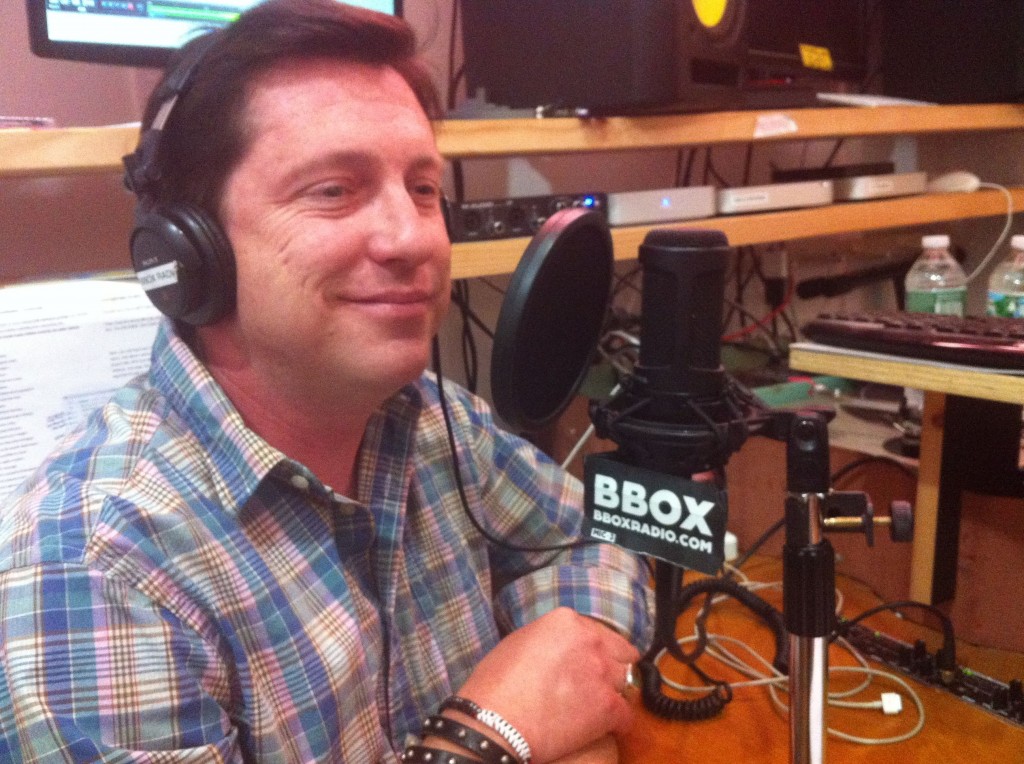 Riverkeeper, the guardian of the water, land and air celebrates its 50th Anniversary this year, and it is fitting to have friend of the show, John Parker, Director of Legal Programs at Riverkeeper, as my guest this week. We discuss all the great work Riverkeeper has done over these last five decades, as well as what they will continue to do to preserve and protect the environment. Keeping the waterways vibrant, and our drinking water clean, is essential to the health and well being of the citizens in New York State and beyond. To find out more about this great organization, go to
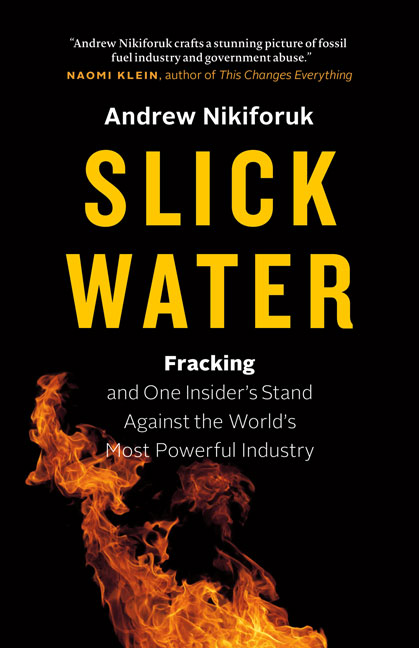 It is no secret that mainstream media coverage of environmental issues is slow-moving, and many stories go un-reported in the press. Climate change deniers spout their ideology with reckless abandon. Enter my guest this week, Andrew Nikiforuk, an award winning environmental writer based in Calgary, Canada, who has written a new book about the hydraulic fracturing industry entitled Slick Water: Fracking and One Insider’s Stand Against the World’s Most Powerful Industry. The book traces the saga of Jessica Ernst, and the path she takes to hold Encana Oil and Canada’s environmental government agencies, responsible for secretly fracking hundreds of gas wells around her home, in a rural area northeast of Calgary. A cover-up ensues, which leads Ms. Ernst to take legal action against the various parties for their role in contaminating land, water and air in her community. For more information

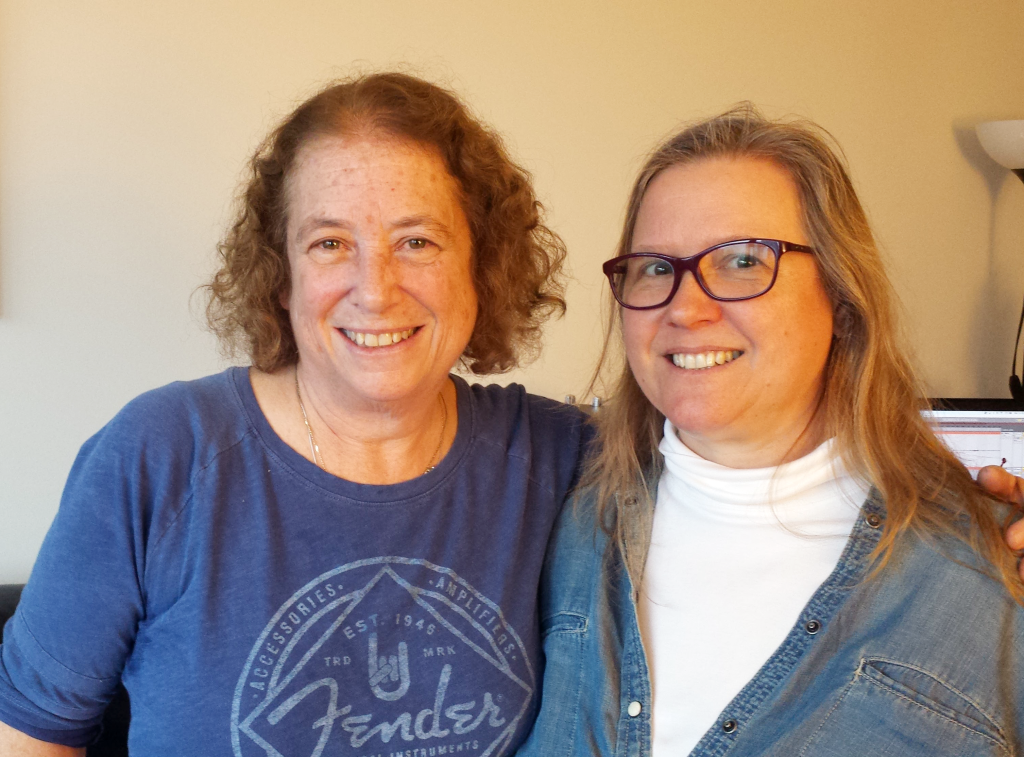 Ladies of green radio are kindred spirits who are working hard to make sustainable living an integral part of everyday life. So it is fitting that my guest this week, Megan McWilliams, a/k/a Green Diva Meg and I discuss the importance of grassroots green radio. Meg is the founder, producer and host of the Green Divas Radio show and podcast. She works to amplify the voice of green reason, and throws in humor and compassion to spread the eco message. I am happy to be a part of the Green Divas Radio Network, and I can proudly call myself Green Diva Max. Hail to all the ladies of green media! For more information go to
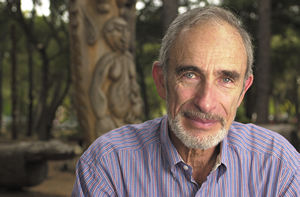 Our guest this week is Dr. Paul Ehrlich, Professor of Population Studies at Stanford University, whose famous book, The Population Bomb, remains controversial to this day. His current work is titled ANNIHILATION OF NATURE: Human Extinction of Birds and Mammals, which discusses the loss of species due to human activity, and the importance of biodiversity and empathy in helping solve problems of habitat loss, and the effects of climate change as it relates to all Earthlings. We are in the Sixth Extinction, and it is time for humans to use their emotional cues to protect Mother Earth. For more information go to ccb.stanford.edu (Center for Conservation Biology) and his book is available via amazon.com. You can send him a tweet @PaulREhrlich
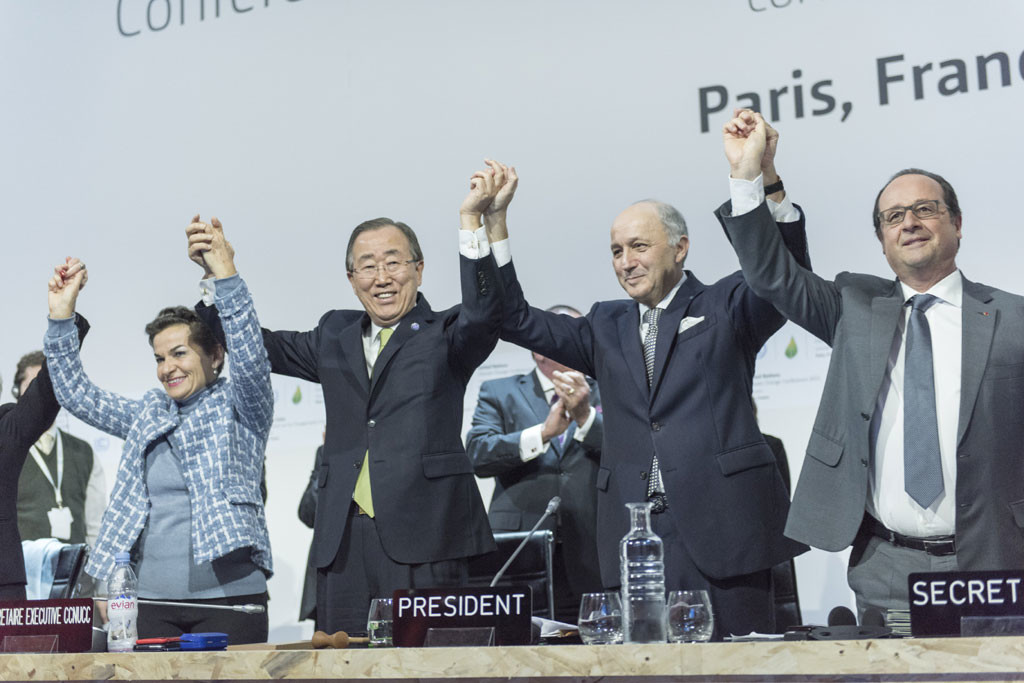
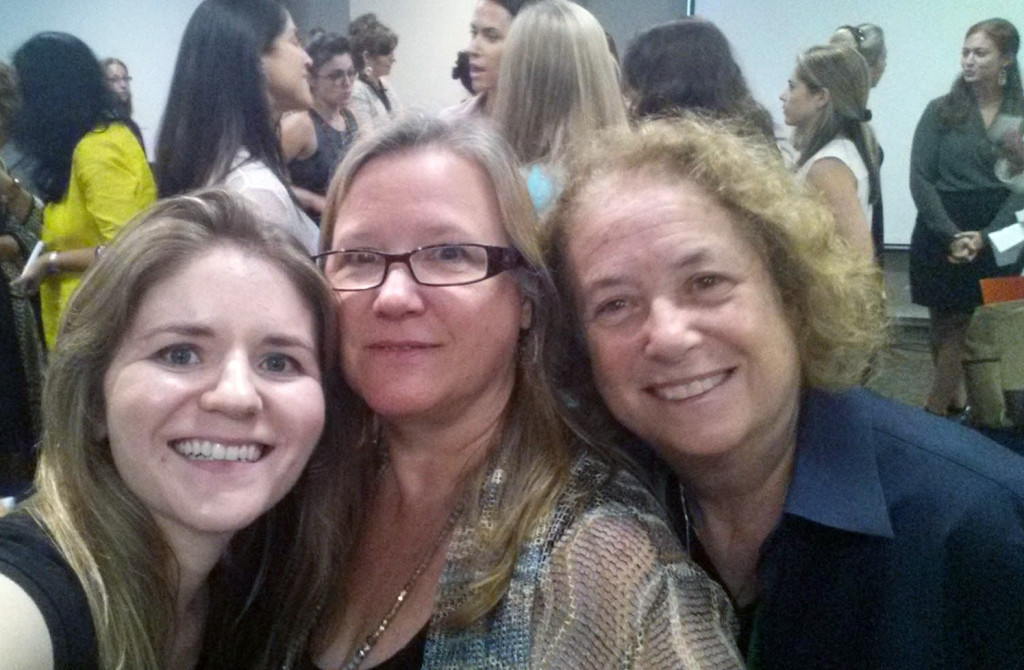 This weeks episode takes us to the Global Women’s Climate Justice Day of Action at the UN, sponsored by the Women’s Earth and Climate Action Network (WECAN). This event was attended by women from over 50 countries. To have such a collection of amazing women in one place, who presented stories of courage and resilience in combating climate change was deeply touching. Women play a key role in adapting solutions to climate change, and it was an honor to speak with WECAN founder Osprey Lake, environmentalist visionary Sally Ranney, as well as Neha Misra founder of Solar Sister, Harriet Shugarman Executive Director of ClimateMama, Executive Director of CELF Katie Ginsberg and student Coreena, and Patricia Gualinga-Montalvo, Indigenous Leader of Ecuador, whose interview was translated by Amazon Watch’s Executive Director Leila Salazar-López. For more information visit