Green Sex for Climate’s Sake (Yes, Green Sex is a shade of green)
There is no single solution for climate change…but separating sex from childbearing represents an under appreciated opportunity to forestall climate disaster…for the climate, family planning’s potential benefits are profound.
Those are the words of my guest this week, Alisha Graves, who is the co-founder of the OASIS Initiative (a project of UC, Berkeley which focuses on reducing population growth and poverty in the Sahel region of Africa). Her recent article, “Green Sex for Climate’s Sake,” debates the link between carbon emissions and population, and the need to educate young women, as well as young men, about contraception, family planning and health. For more information go to: oasisinititative.berkeley.edu and projectdrawdown.org.
“Green” eco-warriors are working to protect rhinos and elephants, which are on the verge of extinction, as they are killed by poachers for their horns and tusks. My guest this week, Damien Mander, founder of the International Anti-Poaching Foundation, is working to train rangers in the preserves of Africa, via legal and direct tactics, to bring poachers to justice. He is a vegan and believes that animals suffer tremendously when they are raised for consumption, which is also a major contributor to climate change. Damien is starring in a James Cameron film called “The Game Changers”, which you can check out by going to gamechangers.com. For more information on the work of the International Anti-Poaching Foundation, go to iapf.org
Green Diva Meg and I bring our two shows together to form The Many Shades of Green Divas, a/k/a 50 Shades of Green. This episode delves into politics, both green and mean, as we speak to the very political Phil Margo, and to Van Jones who is a leader in the climate justice movement. We also have a special tag from the current Democratic nominee for President, Hillary Clinton. So tune in and find out what her shade of green is, and how Green Diva Meg and I bring green and other topics into the conversation. The show is also available on Green Divas Radio Show- thegreendivas.com, as well as on iHeart Radio, iTunes and Stitcher.
My guest this week is Sara Day Evans, Founder of Accelerating Appalachia, which provides social and economic assistance to nature based and local businesses in the vast region of Appalachia, which spans 12 states and has a population of 25 million people. It is one of the most bio-diverse regions on the globe, and new businesses that are based on food, farming and forests are providing jobs and promoting sustainability. Nature Based Businesses (NBB’s) are part of a movement to protect the earth, and maintain the beauty of the Appalachian region. To quote Ms. Evans “My advice to someone thinking of starting an accelerator or a business is this: Be resilient, stubborn, and focused, and love what you do.” For more info go to acceleratingappalachia.org
What do organic tomatoes, horn worms and Olympic figure skating legend Dick Buttons have in common? To find out, tune into this week’s show, as Allison Turcan, Stormie Velarde-Hamill and Scott O’Rourke of Deep Roots and DIG Farms, discuss what it takes to run a suburban farm. Learn about WOOFING, and no it doesn’t involve dogs howling, as well as what the difference is between organic and certified organic products. We chat about creepy, crawly and utterly gross worms which attack tomatoes and turns them truly rotten. Local farms supply the booming green markets in the NY metro tri-state area, and Scott, Allison and Stormie are not only growing amazing produce, they are working with kids, via food literacy programs, to educate them about growing delicious and healthy food. For more info go to facebook.com/DIGFarm
Tests came back from our school’s water samples. The results indicated elevated levels of lead and copper in faucets throughout the system. Drinking fountains were shut off; signs posted. Our school initiated testing, something they did voluntarily. Many samples were “first draws,” from the water sitting in the faucets during the night. Fixing water supplies is a difficult and expensive task. I threw extra water bottles for my son into his backpack. He’d been in some of the rooms that tested positive. Water fountains are located right in many of the rooms. He loves drinking fountains. I’ve watched kids saunter up to fountains after a good romp on the playground. They are empowered, quenching their thirst on their terms and rewarding their body and mind for a job well done. Clear and cold, the water tasted great and at the same time, full of toxins.
Flint, Michigan. Once the words meant simple a town, now they spell a disaster. Many schools around the country report problems with their water supply. Old buildings mean aging pipes. Schools struggle with budgets to keep up everything from teachers to infrastructure. The story in Flint raised a flag of the dangers in our waters supply across the country.
I’ve always worried about toxins in water. When I lived in Central America, water was checked for the levels of cockroach droppings in it. Chlorine was a regular addition to many water supplies. I tried keeping up with buying bottled water, but news reports showed even that supply was tainted, and, the price kept going up. Bottled water adds yet another dimension to the environmental impact that fills the land with plastic. Many of the brands of bottled water are not better than the water from the tap and the cost can be 2000 times more than tap water. Yet, now what? Does bottled water now return as our water source? What do we do?
My son runs to a water fountain with such glee. The water flies out, and he takes a sip. I can’t always stop him. Even in school, signs are posted to not drink out of certain fountains. My child can’t read those yet. At the library, the shopping center, or any other public places, water now makes me worry. We make messes that become so hard to clean up. From the little plastic, disposable coffee K-cup, to the use of plastic bags, to glow-in-the dark plastic wands, I have a choice to consume these or not. Though not always easy to avoid, I feel maybe I have a fighting chance. With water, however, we as a nation must deal with it. We start with schools, and then we must move on to open our eyes and not ignore the problem that most likely is flowing everywhere we drink.
The boys are back in town, as my Token Bros Phil and Mitch Margo join me this week, to discuss the greening of the music industry. Are music venues being more eco-conscious, and are musical artists doing more to promote environmental issues? Both Phil and Mitch drive hybrid/electric cars, reuse and recycle, are doing their part to be more sustainable on a daily basis. Is the peaceful village in The Token’s famous song, The Lion Sleeps Tonight, powered by solar yet? For more information, visit thetokens.com.
Looking up to the sky, I seem so small. “100 Billion Galaxies each with 100 Billion Stars,” said Carl Sagan in the Cosmos episode 7, “The Backbone of Night.”
The power of his message grew with the rise of his own star. Today, many stars lend their voice to our star, planet earth, in hopes of fixing the mess we find ourselves in.
That smallness continues as the dawn breaks, I look around, and wonder how we can do anything to create change. We’re choking on plastic, dumping toxins in rivers, and spewing harmful gasses into the atmosphere. This is just the short list. Again, I look to the stars.
There are a lot of people doing important, tough work for our environment. I’d have to Google their names though because I can’t remember them. The moment a star, a film or literary or political star, begins talking about the environment – that I remember. I sit up and listen, or at least pause, when a star speaks about the work we need to do concerning the environment.
The reality is, a familiar face brings attention to the issue. Leonard DiCapprio spoke to the Pope about the environment. He has his own foundation called, The Leonard DiCapprio Foundation, dedicated to protecting the world’s last wild places. Julia Roberts is Mother Nature in a gorgeous, short video, “Nature is Speaking.”
Woody Harrelson hosts “Ethos,” a documentary looking “into the flaws in our systems, and the mechanisms that work against democracy, our environment and the common good.” Jeff Bridges narrates the video for the Plastic Pollution Coalition, “Open Your Eyes.”
Either I am starry-eyed or I am truly hearing the important message these spokespersons relate. After I saw the video narrated by Jeff Bridges, I felt nauseas at all the plastic I used. And I consider myself an aware person. Though the practice could seem cliché, I see a twinkle of light and hope as perhaps the message breaks through the atmosphere or our messy minds for just a moment. And funny, after hanging with Julia, Leonardo, Woody, Jeff, and even Carl, I feel like a bit of a bigger star. I feel inspired to do more, to and to help, even if it is the smallest of things.
Riverkeeper, the guardian of the water, land and air celebrates its 50th Anniversary this year, and it is fitting to have friend of the show, John Parker, Director of Legal Programs at Riverkeeper, as my guest this week. We discuss all the great work Riverkeeper has done over these last five decades, as well as what they will continue to do to preserve and protect the environment. Keeping the waterways vibrant, and our drinking water clean, is essential to the health and well being of the citizens in New York State and beyond. To find out more about this great organization, go to Riverkeeper.org.
Crowded trains, broken roads, and traffic jams are all part of the commuting nightmare we face as citizens living in the NY Metro area.
Traffic, what is it good for, absolutely nothing…. Crowded trains, broken roads, and traffic jams are all part of the commuting nightmare we face as citizens living in the NY Metro area. There are solutions at hand, and our guest this week, Alex Matthiessen, who is the Director of the Move NY Campaign, and President of The Blue Marble Project is working on those solutions. How can the NY Fair Plan help decrease traffic congestion, and create a source of funding for the MTA and City Transit to make improvements to fix the problems? It’s time to bring our transportation system into the 21st century. Listen in and learn how. Get more info at iheartmoveny.org
My guest this week is Victor Provenzano, eco-consultant and author, who has written articles for clean tech websites. His article for Clean Technics, entitled The Intermittence of Wind and Solar, has been well received, and has been widely circulated. In addition, Victor is currently working on a new book, Beyond Global Warming, which will emphasize that solutions to current ecological problems are being developed, and will hopefully be put into place within the next decade. You can also check out Reinventing Fire: Bold Business Solutions For The New Energy Era, by Amory Lovins, to get more detailed data, analysis and modeling regarding the future of energy. For more info go to Rocky Mountain Institute: rmi.org
It is no secret that mainstream media coverage of environmental issues is slow-moving, and many stories go un-reported in the press. Climate change deniers spout their ideology with reckless abandon. Enter my guest this week, Andrew Nikiforuk, an award winning environmental writer based in Calgary, Canada, who has written a new book about the hydraulic fracturing industry entitled Slick Water: Fracking and One Insider’s Stand Against the World’s Most Powerful Industry. The book traces the saga of Jessica Ernst, and the path she takes to hold Encana Oil and Canada’s environmental government agencies, responsible for secretly fracking hundreds of gas wells around her home, in a rural area northeast of Calgary. A cover-up ensues, which leads Ms. Ernst to take legal action against the various parties for their role in contaminating land, water and air in her community. For more information andrewnikiforuk.com and to amazon.com to check out his new and older works.

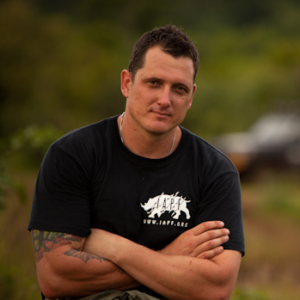 “Green” eco-warriors are working to protect rhinos and elephants, which are on the verge of extinction, as they are killed by poachers for their horns and tusks. My guest this week, Damien Mander, founder of the International Anti-Poaching Foundation, is working to train rangers in the preserves of Africa, via legal and direct tactics, to bring poachers to justice. He is a vegan and believes that animals suffer tremendously when they are raised for consumption, which is also a major contributor to climate change. Damien is starring in a James Cameron film called “The Game Changers”, which you can check out by going to gamechangers.com. For more information on the work of the International Anti-Poaching Foundation, go to iapf.org
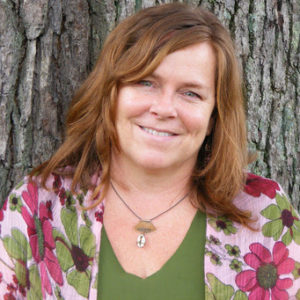 My guest this week is Sara Day Evans, Founder of Accelerating Appalachia, which provides social and economic assistance to nature based and local businesses in the vast region of Appalachia, which spans 12 states and has a population of 25 million people. It is one of the most bio-diverse regions on the globe, and new businesses that are based on food, farming and forests are providing jobs and promoting sustainability. Nature Based Businesses (NBB’s) are part of a movement to protect the earth, and maintain the beauty of the Appalachian region. To quote Ms. Evans “My advice to someone thinking of starting an accelerator or a business is this: Be resilient, stubborn, and focused, and love what you do.” For more info go to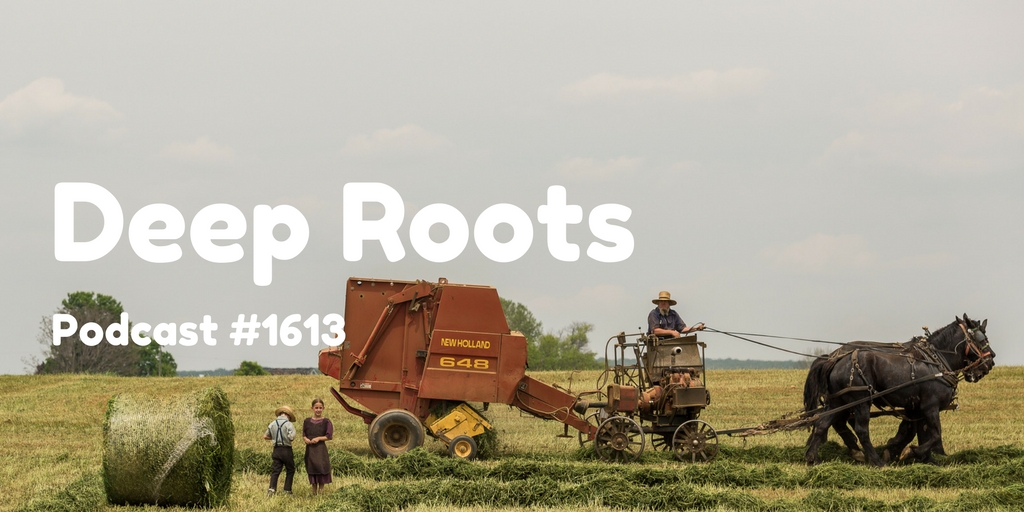
 What do organic tomatoes, horn worms and Olympic figure skating legend Dick Buttons have in common? To find out, tune into this week’s show, as Allison Turcan, Stormie Velarde-Hamill and Scott O’Rourke of Deep Roots and DIG Farms, discuss what it takes to run a suburban farm. Learn about WOOFING, and no it doesn’t involve dogs howling, as well as what the difference is between organic and certified organic products. We chat about creepy, crawly and utterly gross worms which attack tomatoes and turns them truly rotten. Local farms supply the booming green markets in the NY metro tri-state area, and Scott, Allison and Stormie are not only growing amazing produce, they are working with kids, via food literacy programs, to educate them about growing delicious and healthy food. For more info go to facebook.com/DIGFarm
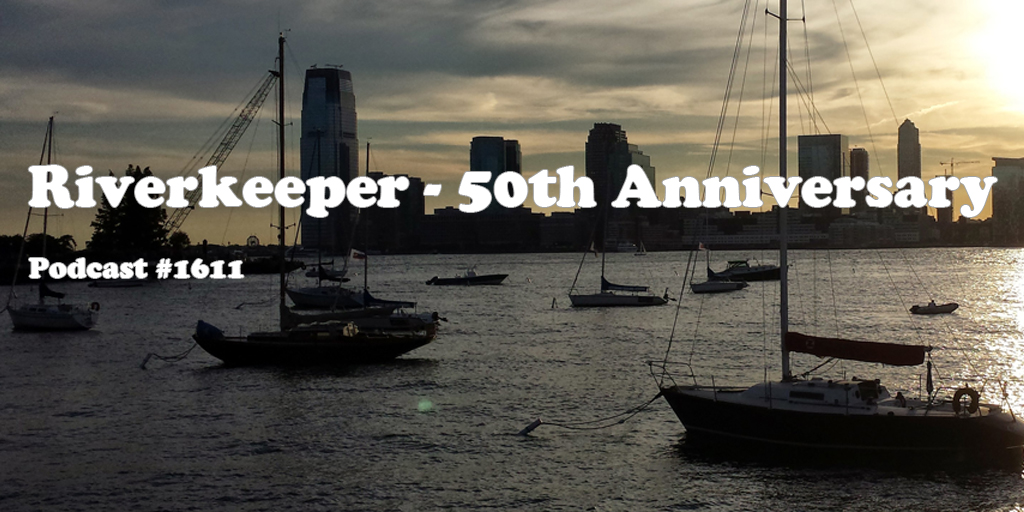
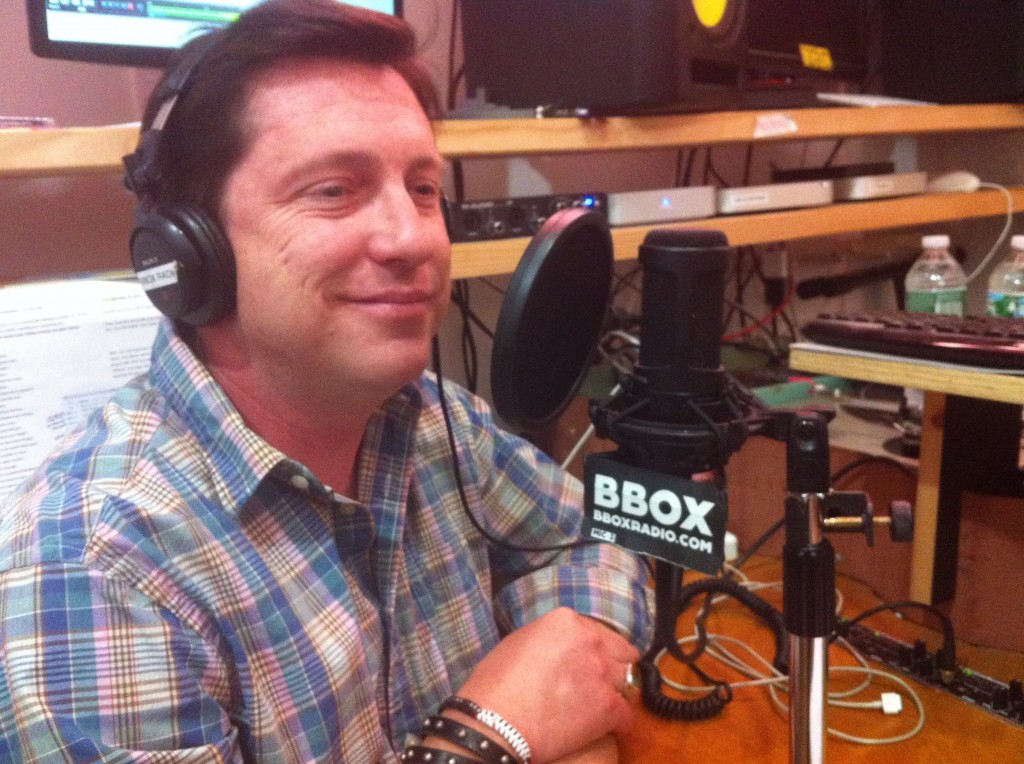 Riverkeeper, the guardian of the water, land and air celebrates its 50th Anniversary this year, and it is fitting to have friend of the show, John Parker, Director of Legal Programs at Riverkeeper, as my guest this week. We discuss all the great work Riverkeeper has done over these last five decades, as well as what they will continue to do to preserve and protect the environment. Keeping the waterways vibrant, and our drinking water clean, is essential to the health and well being of the citizens in New York State and beyond. To find out more about this great organization, go to

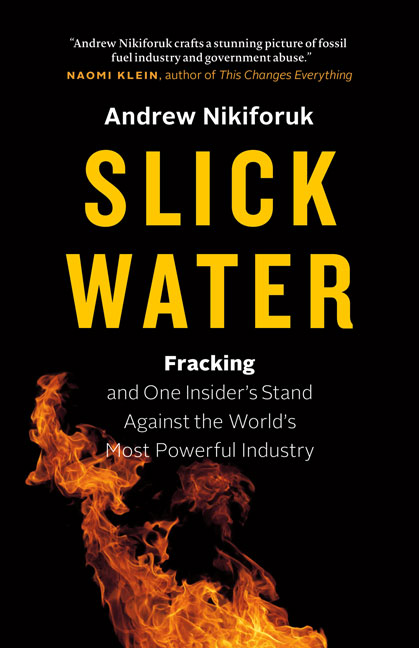 It is no secret that mainstream media coverage of environmental issues is slow-moving, and many stories go un-reported in the press. Climate change deniers spout their ideology with reckless abandon. Enter my guest this week, Andrew Nikiforuk, an award winning environmental writer based in Calgary, Canada, who has written a new book about the hydraulic fracturing industry entitled Slick Water: Fracking and One Insider’s Stand Against the World’s Most Powerful Industry. The book traces the saga of Jessica Ernst, and the path she takes to hold Encana Oil and Canada’s environmental government agencies, responsible for secretly fracking hundreds of gas wells around her home, in a rural area northeast of Calgary. A cover-up ensues, which leads Ms. Ernst to take legal action against the various parties for their role in contaminating land, water and air in her community. For more information