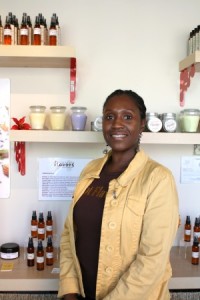

By Susan Lutz
Products stacked high. Priced low. That’s the box-store shopping model we’ve come to accept. Shoppers expect cheap bargains, and for the most part, get it. From my small college town in Minnesota to Central America, I’ve watched Walmart build and consumers follow. I watched as the college town almost died out. Buildings begged for renters, to buyers rather than shoppers. Today, we watch the scope of Walmart’s impact reach for the skies, adding a negative carbon footprint at a fervent pace.
Walmart’s positive green press spins differently. Walmart reports all is right with the company’s clip to reduce emission and go green. However, The Institute for Local Self-Reliance reported that Walmart is guilty of going in the opposite direction and increasing greenhouse emissions with no stop in sight. In addition, many of Walmart’s products do not reflect the consciousness of a company dedicated to sustainability.
About ten years ago, Walmart started issuing it’s own, Global Responsibility Report. In developing countries, it’s hard to keep people away from the lure of the American brand (though many products are not made in America). I found the stores overpriced. The appeal for many, as Walmart knows, is the location. It was on a bus line, the parking lots are huge, and taxis even wait outside. Everything sat under one roof. A lure, even to this shopper, who couldn’t resist when the rain poured (the parking was not only huge, it was covered), and I needed some over-sized paper for my child’s school project.
Walking the aisles of these big box stores feels overwhelming and too much. Do we need purple and green and pink toilet paper? Are those products a “green” company should support. Jeffrey Hollender, founder and former CEO of Seventh Generation, Inc. took a look at what companies are doing to confuse customers into thinking a company is going green, when in fact it’s not:
“In essence, Walmart is saying, ‘Hey, Walmart shopper, here’s a totally unsustainable product from one of our supposed Sustainability Leaders.’”
What do we do? Walmart and other 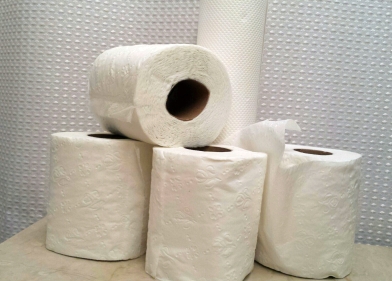 box-stores are now planted as an option for shopping, for everyone, for everything. What do we need? Do we need so much? The visual of green and pink toilet paper is one I’d never thought of until now. Walmart’s not just going to go away. We’ve helped create it. Yet, it must change. It’s too important. They’ve got the power to do it. We’ve got the power to demand it.
I returned to my college town a few years ago. It had made a bit of a comeback. The diner I cooked for was gone. But a few coffee shops and new stores had taken hold. It’s the main street of postcards. The place where community gathers and owners greet customers. Between the Walmart model and the main street, a model exists where we can reduce our impact, empower local retailers, and promote that which truly is good for the planet.


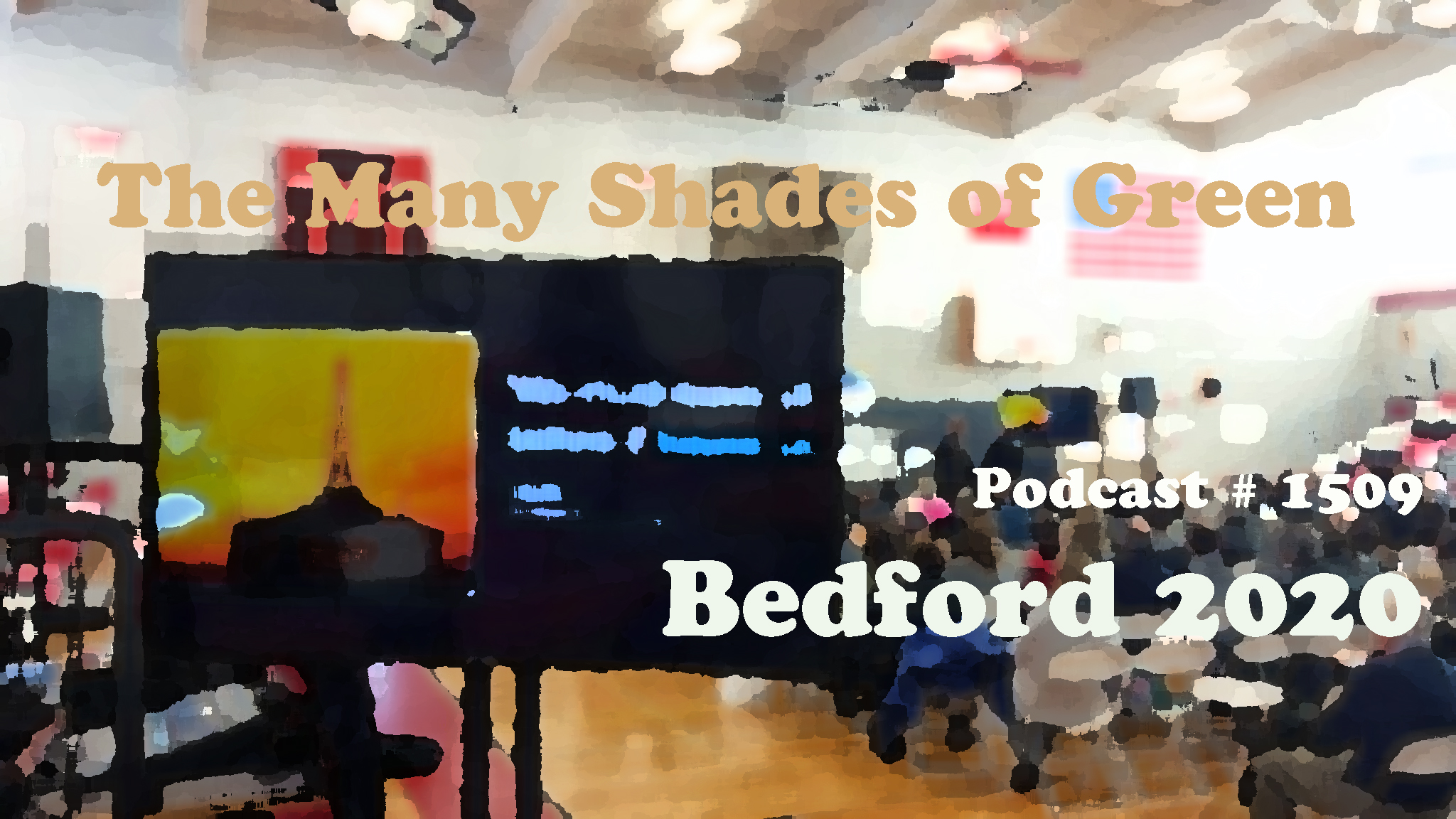
 This week’s program takes place at the Bedford 2020 Summit and Solar Action Day. We spoke to Andrew Revkin, writer of the Dot Earth Blog for the New York Times, as well as Peter Olmsted, East Coast Regional Director for Vote Solar. We also spoke to Mayor Michael Cindrich of Mt. Kisco, NY about the solar projects on his agenda. Keynote Speaker Amory Lovins, of The Rocky Mountain Institute, spoke about new energy technologies that are on the horizon for the future of electricity. It was a gathering of innovators, educators and community, all working to promote solar and other renewable energy, in an effort to help create actionable solutions to green house gas emissions. A special thank you to Heather Flournoy for her hard work and hospitality. For more information go to

 By
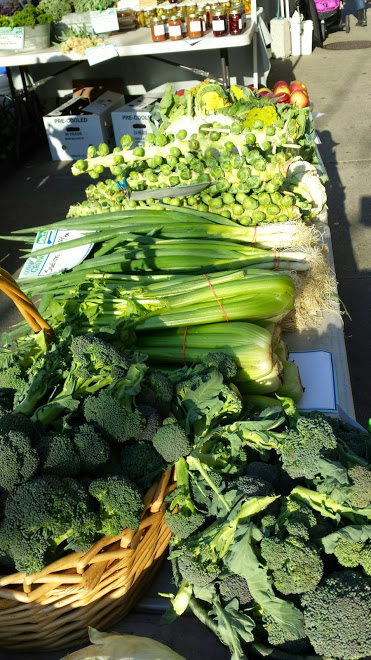 Long story short, America’s reckless agricultural techniques and lack of quality governmental oversight has created a situation in which Americans are falsely assured by their own government about the safety of their food. It is a situation that still has its solutions though. What we need is mass education which will contribute to a snowballing in consumer awareness about the importance of the local and sustainable food movement. It has started to take hold around the world but with EVERONE’S help, we will begin to change. Their have been sparks of change so far, but we need to keep the passion strong to get the fire roaring. As we eat locally and buy from small farms, food becomes much healthier, less mysterious, and more tasty. While food transportation costs and emissions are reduced, air becomes cleaner in cities and communities become stronger through community farms and other

 “Green is Gold” is a classic book, offering a roadmap to companies worldwide to create value from environmental strategy. The author of that book, Andrew Winston, is my guest this week, and his latest book entitled, “The Big Pivot: Radically Practical Strategies for a Hotter, Scarcer and More Open World” focuses on how businesses must deal with climate change to create more sustainability driven innovation. Tune in to find out what the Big Pivot is, and how it will help companies adapt and adjust their practices to become better stewards of the environment. For more information visit andrewwinston.com