By Susan Lutz
Products stacked high. Priced low. That’s the box-store shopping model we’ve come to accept. Shoppers expect cheap bargains, and for the most part, get it. From my small college town in Minnesota to Central America, I’ve watched Walmart build and consumers follow. I watched as the college town almost died out. Buildings begged for renters, to buyers rather than shoppers. Today, we watch the scope of Walmart’s impact reach for the skies, adding a negative carbon footprint at a fervent pace.
Walmart’s positive green press spins differently. Walmart reports all is right with the company’s clip to reduce emission and go green. However, The Institute for Local Self-Reliance reported that Walmart is guilty of going in the opposite direction and increasing greenhouse emissions with no stop in sight. In addition, many of Walmart’s products do not reflect the consciousness of a company dedicated to sustainability.
About ten years ago, Walmart started issuing it’s own, Global Responsibility Report. In developing countries, it’s hard to keep people away from the lure of the American brand (though many products are not made in America). I found the stores overpriced. The appeal for many, as Walmart knows, is the location. It was on a bus line, the parking lots are huge, and taxis even wait outside. Everything sat under one roof. A lure, even to this shopper, who couldn’t resist when the rain poured (the parking was not only huge, it was covered), and I needed some over-sized paper for my child’s school project.
Walking the aisles of these big box stores feels overwhelming and too much. Do we need purple and green and pink toilet paper? Are those products a “green” company should support. Jeffrey Hollender, founder and former CEO of Seventh Generation, Inc. took a look at what companies are doing to confuse customers into thinking a company is going green, when in fact it’s not:
“In essence, Walmart is saying, ‘Hey, Walmart shopper, here’s a totally unsustainable product from one of our supposed Sustainability Leaders.’”
What do we do? Walmart and other 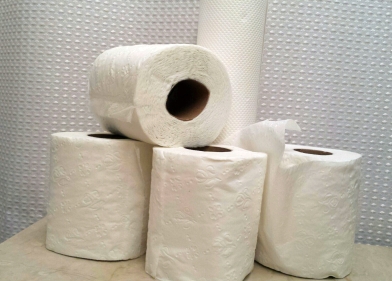 box-stores are now planted as an option for shopping, for everyone, for everything. What do we need? Do we need so much? The visual of green and pink toilet paper is one I’d never thought of until now. Walmart’s not just going to go away. We’ve helped create it. Yet, it must change. It’s too important. They’ve got the power to do it. We’ve got the power to demand it.
I returned to my college town a few years ago. It had made a bit of a comeback. The diner I cooked for was gone. But a few coffee shops and new stores had taken hold. It’s the main street of postcards. The place where community gathers and owners greet customers. Between the Walmart model and the main street, a model exists where we can reduce our impact, empower local retailers, and promote that which truly is good for the planet.
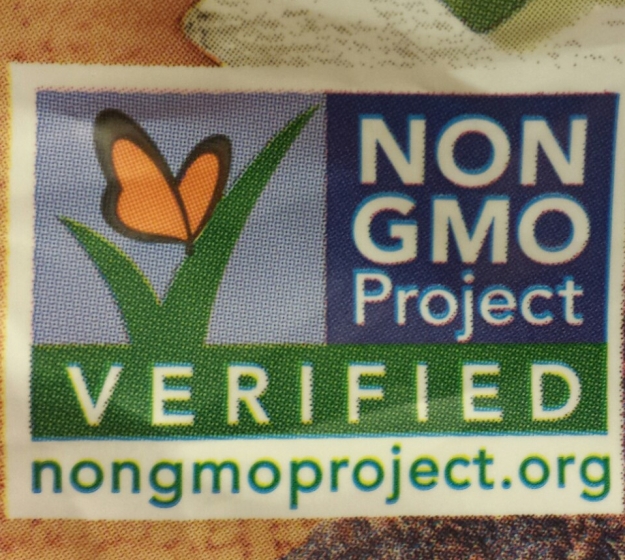 in toxic pesticides used by Monsanto and Dow for GMO crops.
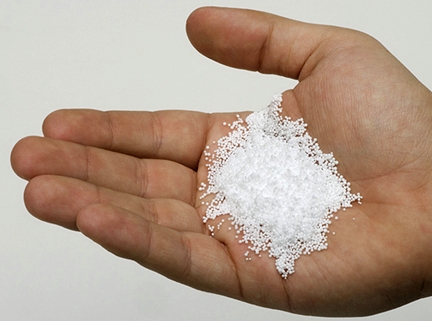 Scrub some natural face cleanser on at the end of the day. Feels wonderful. A shea butter body cream can only be good, right? Read the ingredients. Many of the cosmetics on the shelf today contain microbeads. What’s a microbead? I hadn’t heard of them either. Yet, they are now so proliferate in many of the products we use, approximately 69 NGOs from 33 countries are supporting the campaign to end the use of the microbead, according to
  children, it also impacts the farmer and the community. If I buy local, the carbon footprint shrinks. If I buy organic, I’ve chosen a system that fundamentally focuses on how our bodies and our planet will grow naturally, without toxins. When the global issues seem out of reach, when I feel powerless, I step back and remember that my consumer choices make a difference.
 Jamie Oliver takes on the tough subjects. His goal is to implement food education in the school system. Not easy. I’ve worked in schools, and I’ve owned my own restaurant where I’ve watched this organic, eat-better/grow-better food movement on a national and international level. From Central America to Europe to the US, organic food and better eating practices are shaking up the way tradition has boxed in food. Oliver also aims to pave a path towards better eating at home. Also not an easy task. Even for me, an organic girl from way back, I struggle to feed my family with organic food and as little sugar and fats as possible. Challenging? Yes. Impossible? No. We can’t continue stuffing ourselves as the conventional model wants us to do. The more we demand higher quality, the more we’ll get it – and at a better price.
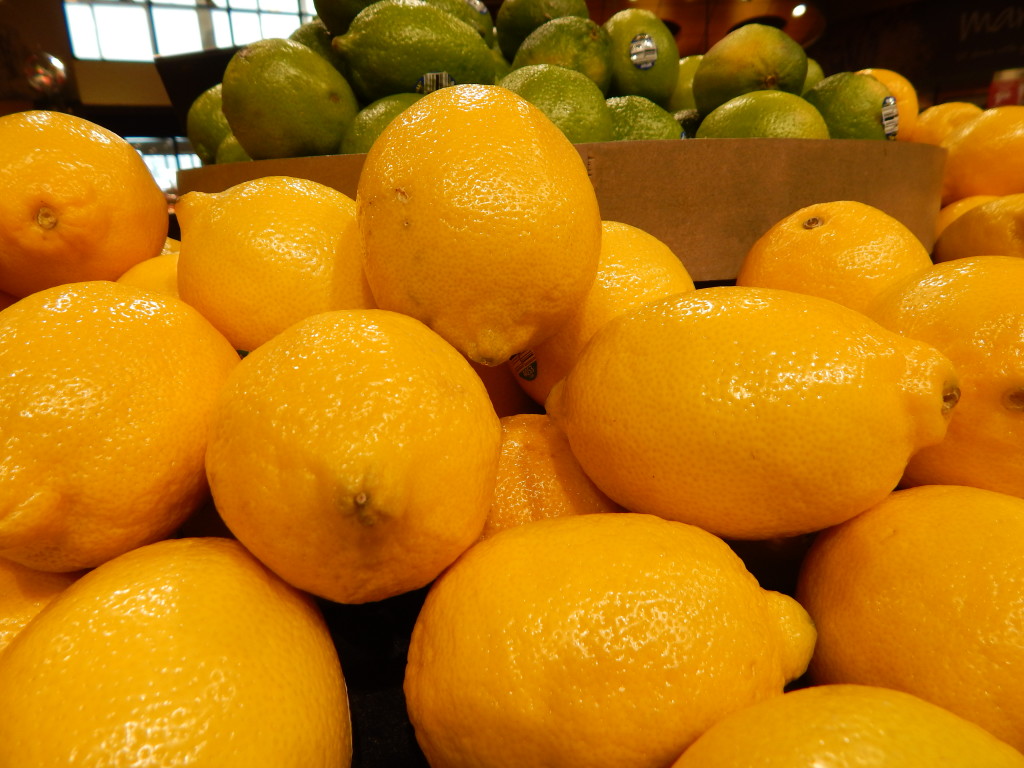 The simplest spring cleaning ideas can be found around the home. Under the sink and in the cupboard are ingredients with the power to clean easily and organically. Here are a few of my favorites:
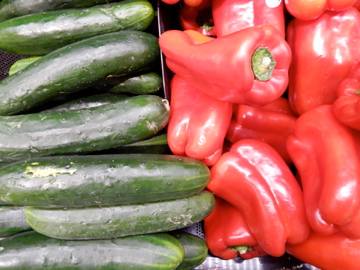 At times, I pile the bags of food in my car after spending a boatload of money and feel lost. With all my research and knowledge of the world of organics, I should radiate confidence. Instead, I doubt my choices and wonder if I even make a difference in what I feed my family.
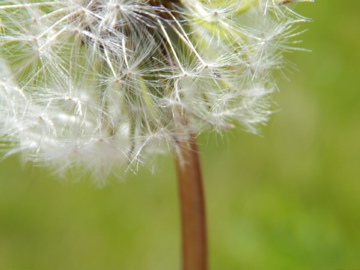 Meditating on a mountaintop never did it for me. I’ve been there. Climbed high; stretched my arms out; and reached for the sun on the horizon. Then, I’d turn around and realized I’d have to go down. The search for the ideal, whole, simple life would have to continue after the vacation ended. Life called me back into the hectic fold.