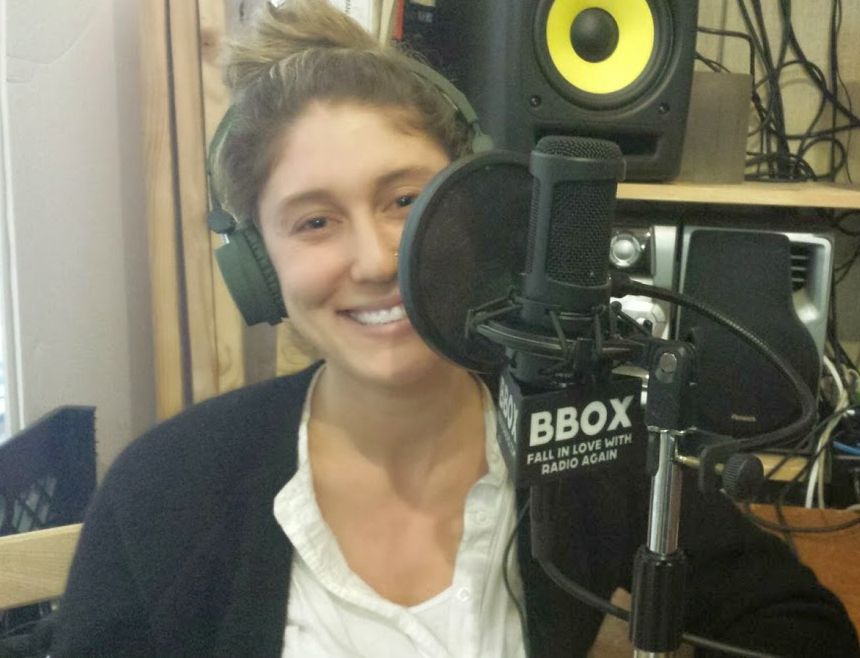
 When your mom yelled “eat your veggies” she was definitely on to something. My guest this week is Ashley Spivak, Director of Restaurant Guides at Clean Plates. We discuss the importance of a well balanced, plant based eating regimen, that will lead to a healthier you. An 80/20 diet of 80% good stuff (vegetables, fruits, whole grains and protein), and 20% of the foods that make you smile (pie, cookies, mac and cheese) is a good formula to follow. Bio-individuality indicates that there is no right way to eat, not every person is the same, and diets and food choices affect different body types in different ways. The Clean Plates Food Guide lists restaurants that are more conscious about where they source their produce, meats, grains, as well as the taste of the food, the prep and the atmosphere. Making informed choices whether eating out or in is essential to being a healthier, smarter and cleaner eater. For more info about Clean Plates online publications, guides, phone apps and recipes, go to cleanplates.com
Category: Organic
The Green Stream: Beware of US Food Politics
 By
By The need is greater than ever to be involved in the growing sustainability and food movement. The threats that our agriculture industry pose on climate change and human survival are blatantly obvious at this point, yet it seems that many US politicians have forsaken their duty as representatives of the common good of America while instead succumbing to the pressures of politics and corporate interest. For the sake of being concise, I won’t get into the details of the destruction that Monsanto Company and similar operations are causing to humanity and to nature. For a summary of these details, click here.
Today, I am focusing more on the dilemma of Michael R. Taylor slithering his way from atop multiple powerful positions working for Monsanto Company to holding America’s health in the palm of his hand as head honcho of the FDA. And last but not least, I hope to begin to show you all how gravely this affects us all.
To start off I want to ask a question. When did it become acceptable in this country to let someone switch so freely between the position of corporate lobbyist/lawyer and policy maker in the same field? That is what FDA Deputy Commissioner for Food and Veterinary Medicine Michael R.Taylor did. Also, do me a quick favor and google the relationship he has had with King & Spalding, a law firm that has a history of representing Monsanto. This, my friends has been called by Marion Nestle, who wrote Food Politics, “a classic example of the revolving door.”
There are those who argue for Taylor’s innocence however. Bill Marler who wrote Mike Taylor and the Myth of the Monsanto Man, claims that after knowing of him (not directly knowing him) for nearly 20 years, he is convinced Taylor is non-partial to Monsanto. Taylor himself is quoted in the article saying, “The government has clear rules about what a person can and cannot work on under those circumstances (potential partiality to an industry),” Marler then establishes his line that Taylor “follows those rules very carefully.” Marler continues to explain that when Taylor held the Deputy Commissioner for Policy (FDA) in the mid-’90s, the FDA Ethics Counsel said that he could work on general policy matters, such as policies for food labeling, but that he was precluded from any involvement in specific product approvals of interest to Monsanto. HOLD ON!
Seeing as one of the biggest US food policy issues right now is the requirement of food companies to label GMO foods, this seems like an issue that former Monsanto lawyer and VP of public policy at the largest GMO company in the world should not be engaging in! American health is at stake!
Also, according to PF Louis in his article Biotech industry at war over GMOs; millions of dollars funneled to lawmakers, “Monsanto Mike (Taylor) was able to influence the approval of rBGH (recombinant Bovine Growth Hormone), which forces cows to yield more milk while causing infections that require antibiotics. So many milk and other dairy products became contaminated with the synthetic hormone rBGH, antibiotics, and infected cow blood and puss.” If you are unaware of the futility that over antibiotic use in factory farms is causing modern medicine please check out some of these links. I encourage you to explore the topic in more detail.
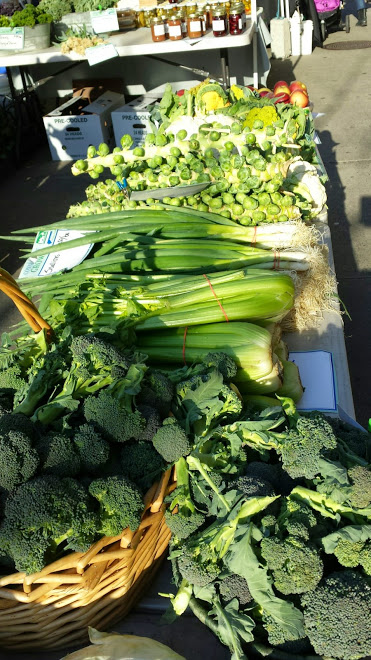 Long story short, America’s reckless agricultural techniques and lack of quality governmental oversight has created a situation in which Americans are falsely assured by their own government about the safety of their food. It is a situation that still has its solutions though. What we need is mass education which will contribute to a snowballing in consumer awareness about the importance of the local and sustainable food movement. It has started to take hold around the world but with EVERONE’S help, we will begin to change. Their have been sparks of change so far, but we need to keep the passion strong to get the fire roaring. As we eat locally and buy from small farms, food becomes much healthier, less mysterious, and more tasty. While food transportation costs and emissions are reduced, air becomes cleaner in cities and communities become stronger through community farms and other CSA projects. If you take away one thing from this blog, let it be to buy food that comes from within 100 miles of where you live!
I want to end this Green Stream blog with a note of optimism, because although there are many problems with our current food regulatory system and agricultural sector, there is much we all can do.
Buy local and Stay Green!
Find out more info about eating clean and stayed tuned for The Many Shades of Green’s interview with Ashley Spivak from Clean Plates!
#1434: Regina Cornwell, of Inclimate, and artist Lynn Cazabon discuss “Uncultivated”
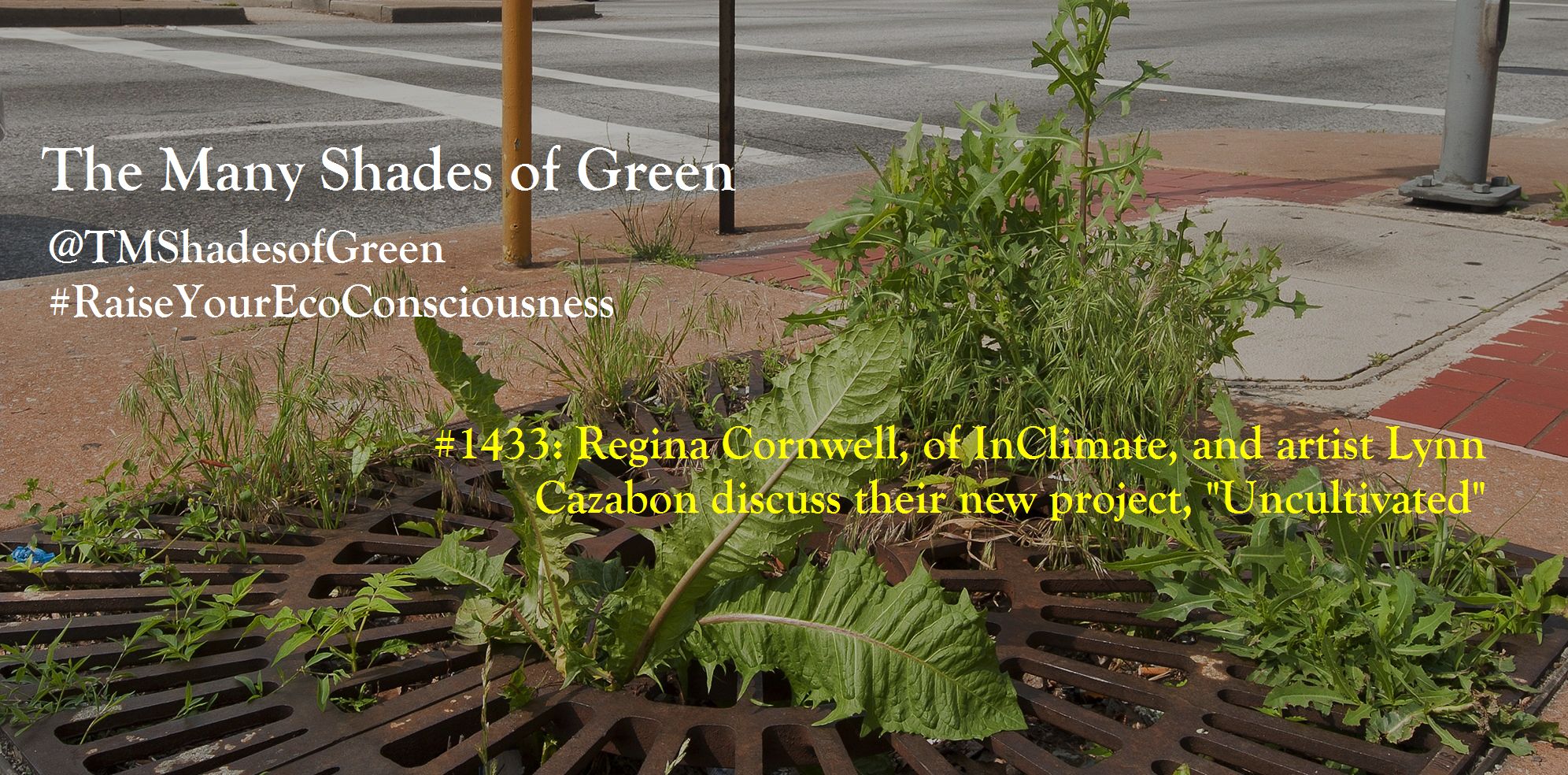
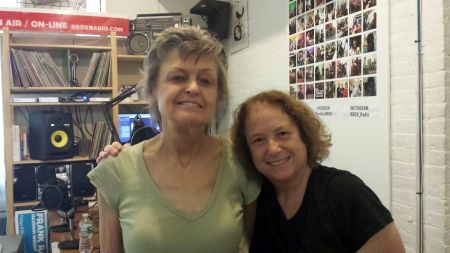
Why are weeds considered the rats of the horticultural world, and what can we do to make people think about weeds in a more positive light? Join me and my guests Regina Cornwell, Curator and organizer of inClimate, and Lynn Cazabon, artist and Associate Professor of Art at the University of Maryland, Baltimore County as we discuss the project they are currently working on called “Uncultivated.” This project connects art and science, in an effort to educate the community about the importance of the edible plants (weeds), that grow wild within the urban area of Hunts Point in the Bronx. Regina is also a Climate Change presenter for the Climate Reality Project, which was started by Al Gore as an offshoot of the film An Inconvenient Truth. For more information go to www.inclimate.org and climaterealityproject.org
#1417: High Road, NYC High Road Restaurant Week
 “The fight is never about grapes or lettuce…it is always about people.” That quote by Cesar Chavez describes what Colt Taylor, Executive Chef at One if By Land, Two if By Sea, and Tatiana Bejar, High Road Coordinator of the Restaurant Opportunities Center of New York, have teamed up to do, help the people, which in this case are the restaurant employees who are often times working in conditions that are not always optimal. High Road Restaurant Week, which runs from April 23rd through April 30th, aims to call attention to the the need to improve employment practices, via living wage, health benefits, sick days and overall treatment of those who work so hard to make our dining experiences more pleasurable. Sustainability doesn’t stop at the quality of food, it also connects to the human side, and restaurant workers deserve to be able to support their families and have benefits that all workers strive for. Please visit www.highroadny.org or www.rocny.org/
#1401: Brooklyn Grange Farm
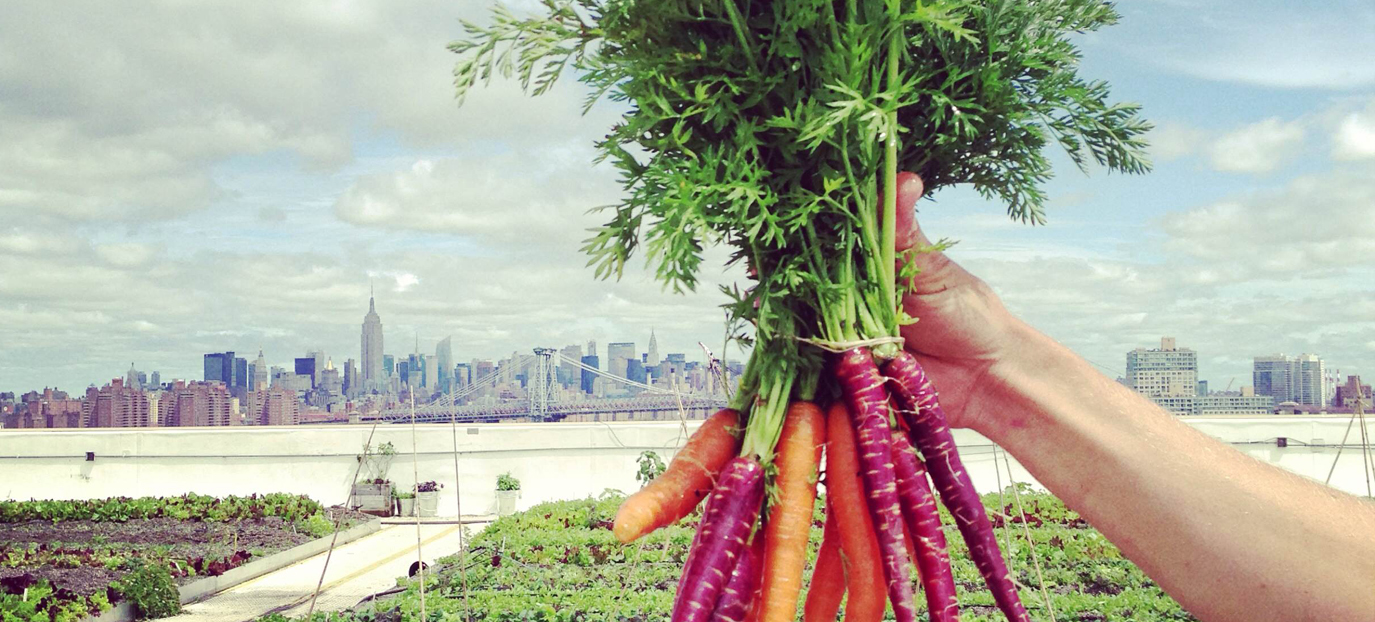
 Learn what you can grow Up On The Roof, as Bradley Fleming, Farm Manager at Brooklyn Grange Farm explains how urban agriculture is taking hold on a tall building near you. Find out what grows best on a city roof, and how it helps both the environment and adds to the sustainability of NYC. Go to www.brooklyngrangefarm.com for more info.
#1330: Rodney North, Equal Exchange
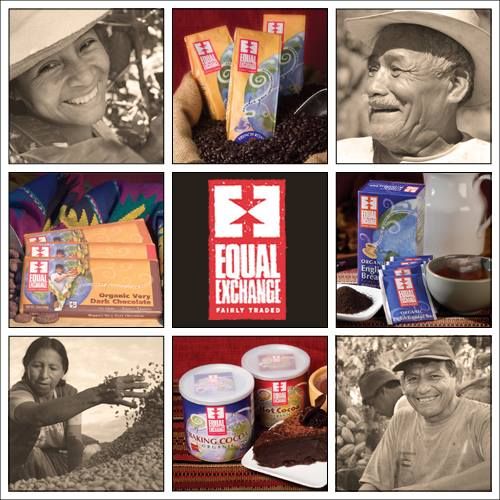

What are Fair Trade items and why should we buy them? Rodney North of Equal Exchange tells us how fair trade items are helping organic farmers both locally and globally by producing coffee, tea, bananas that are grown organically, and give workers living wages and good working conditions. Eat better and help a farmer, go to www.equalexchange.coop/community to find out more.
#1235: Corbin Laedlein from Added Value Urban Farm
Urban farms are becoming an important source of food and education, as programs for youth help instill a sense of community as well as healthier eating habits. Corbin Laedlein, Youth Empowerment Coordinator at Added Value Farm in Redhook, Brooklyn, talks about the interconnection of social issues and food as essential tools in community building. Find out what “don’t yuck my yum” means.
#1214: Mallory Sustick of Plovgh
Features Community Manager Mallory Sustick of Plovgh, a Brooklyn-based farmshare organization that connects farmers and consumers, allowing consumers to pick up their choice of farm-fresh foods in their neighborhood, the same day it was picked.
#1115: Paula Maia of Brooklyn Soil
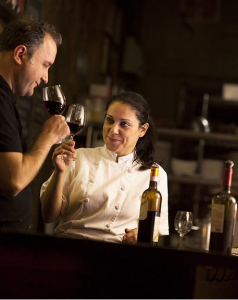
Features Paula Maia, co-owner of Oak Wine Bar where she combines food, health and ecological principles.