
First, the authors set the scene by describing Earth’s relationship with the universe and then illustrating the history of life on Earth, dating back to one billion years ago. They provide a brief history of humans (Homo sapiens), which especially focuses on the different industrialization eras that took place around the world. Eventually, the book catches up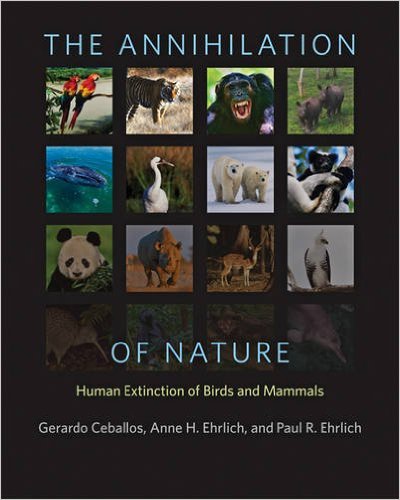 to the present as they contemplate the extinction of modern animals. After spending much time analyzing the extinction of many birds and mammals, the autho
rs discuss the significance of these extinctions. The main purpose of this piece is to bring to light the many animal extinctions taking place on Earth. A handful of solutions are proposed in the final pages of the book.
Several different literary (as well as visual) techniques were used throughout the book, some good, others less effective. Most notably, there were over one hundred photos of wildlife included in the book. The pictures carried great significance and made the text more powerful. However, the few pages that were without any photos were nearly unbearable, as the large chunks of text were quite overwhelming. Even so, the book included important facts on animal extinction when necessary, which proved to be effective. Furthermore, the description of wildlife tragedies were especially influential For example: In [the whale’s] stomach it had a golf ball, surgical gloves, duct tape, miscellaneous plastic fragments, a pair of sweatpants, and twenty plastic bags, among other trash. Plastic cannot be digested and simply clogs the gut, causing death not directly but indirectly, through starvation and disease.” (83) This graphic description leaves readers with a vivid, powerful image and a lasting impression. On another note, I began to notice awkward wording in a handful of instances. For example, the author refers to the Bonobo species as “our sexy living relatives.” Additionally, sometimes the authors seemed to demonize the human race as a whole, rather than pointing out a specific group responsible for poor environmentally sound decisions. Ultimately, the authors make powerful use of certain techniques to illustrate the sad stories of extinction throughout history.
This piece was certainly successful in providing readers with an above average understanding of bird and mammal extinction. I learned many different things, ranging from the importance of biodiversity in the Amazon rainforest to the illegal hunting of elephants for the ivory trade. The use of photography amidst well-written, evocative text throughout the book created an inviting environment to learn and sympathize.
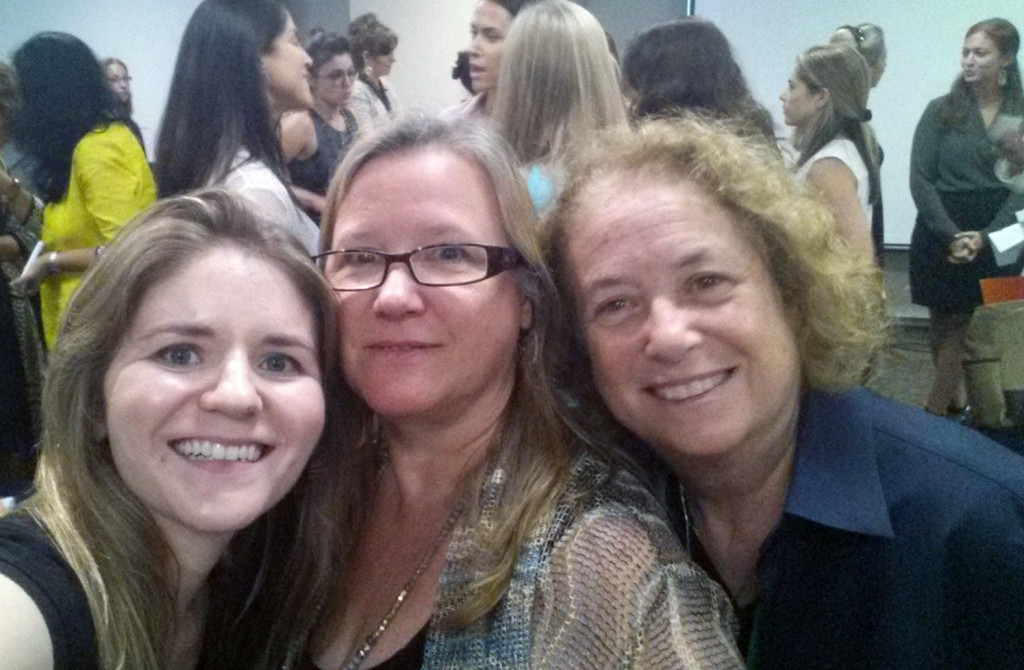 This weeks episode takes us to the Global Women’s Climate Justice Day of Action at the UN, sponsored by the Women’s Earth and Climate Action Network (WECAN). This event was attended by women from over 50 countries. To have such a collection of amazing women in one place, who presented stories of courage and resilience in combating climate change was deeply touching. Women play a key role in adapting solutions to climate change, and it was an honor to speak with WECAN founder Osprey Lake, environmentalist visionary Sally Ranney, as well as Neha Misra founder of Solar Sister, Harriet Shugarman Executive Director of ClimateMama, Executive Director of CELF Katie Ginsberg and student Coreena, and Patricia Gualinga-Montalvo, Indigenous Leader of Ecuador, whose interview was translated by Amazon Watch’s Executive Director Leila Salazar-López. For more information visit

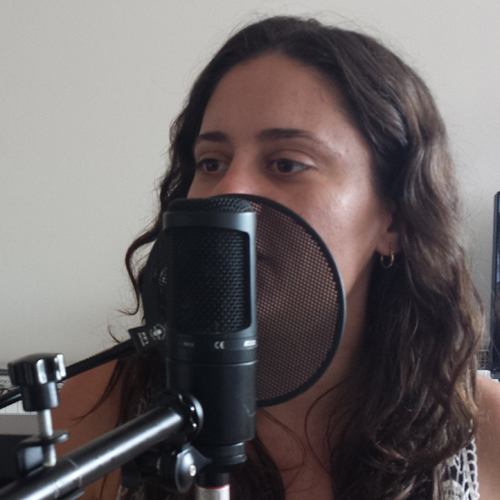 Billions of people around the globe are affected by the changes in climate every day. There are many stories that need to be told and many stories that need to be heard. My guest this week, Dayna Reggero, project director for the Climate Listening Project, has gathered stories from a variety of individuals and businesses about the direct effect of climate change on their lives and communities. Farmers, scientists, faith based and environmental groups are working towards solutions to adapt and build resilience to the extremes of climate change. We must connect actions to our words and work towards building a cleaner, greener world. Dayna has also been involved with the Showtime Series, Years of Living Dangerously, and has partnered with Laura Lengnick, author of the book Resilient Agriculture: Cultivating Food Systems in a Changing Climate. Dayna and Laura conduct storytelling workshops at colleges via the Cultivating Resilience Tour. For more info go to: daynareggero.com, @DaynaReggero and facebook.com/climatelisteningproject.
 Can we feed the world without wrecking it? Are we farming ourselves out of food? My guest, Joel K. Bourne Jr. and I delve into those questions on this week’s show. Joel’s new book, THE END OF PLENTY: The Race to Feed a Crowded World, discusses the world food crisis, as it relates to population increase and environmental concerns. Farm land is becoming decimated, as water shortages are spreading globally, thus reducing growth of crops needed to feed the populace. Political unrest and revolutions have occurred in various hot spots around the world, as wheat crops have failed, which has lead to tightening grain supplies. Lives are lost as fights break out over bread. Will 3D printing of food save us? Probably not, but there is hope, as farmers are using innovations in food irrigation, as well as conservation methods to solve some of the problems. A new land ethic must be put into place to feed the world. For more information go to joelkbournejr.com and amazon.com for his book, THE END OF PLENTY.
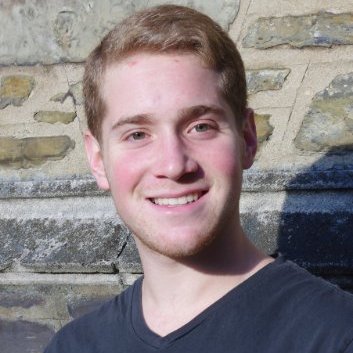 In the 1984 film Flamingo Kid, Matt Dillon’s character Jeffrey Willis, dines with his family at Larry’s Fish House, where the slogan is “Any Fish You Wish”. Cut to the summer of 2015, and my guest Noah Bressman, who is a budding marine biologist at Cornell University, has a big wish. That wish is to encourage more sustainable fishing practices on both the industry side and the sporting side. Fisherman should catch and release fish not caught for food. Regulations should be enforced to ensure more sustainable fisheries and fishing practices. Find out what mummichogs are, and how Noah’s research on that ‘intertidal killfish’ was featured on the Discovery Canada Show, The Daily Planet. Learn about what the signs at your local grocery fish counters mean when they say “all natural”, “wild caught” or “certified sustainable”. Noah is making great strides in his research, and he will continue to do great things in years to come. For more information visit Noah’s Facebook Page:
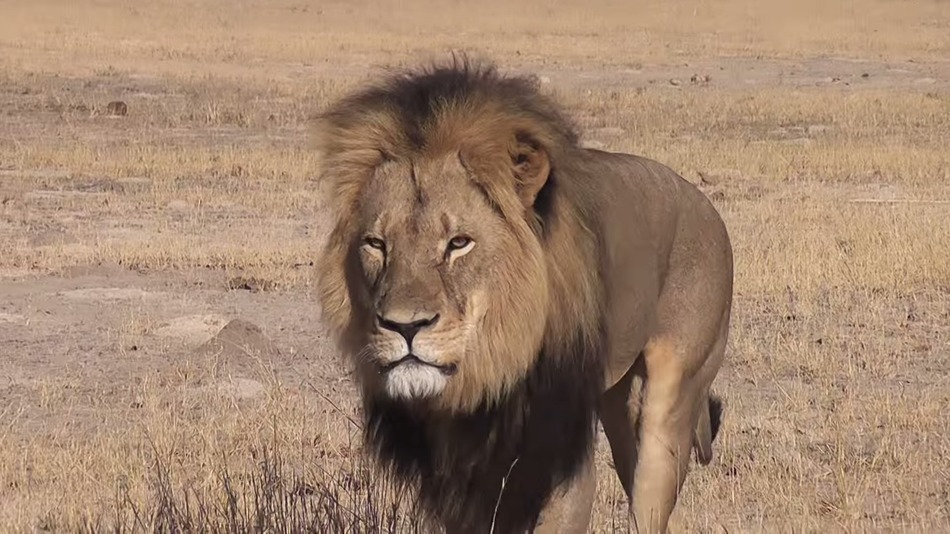
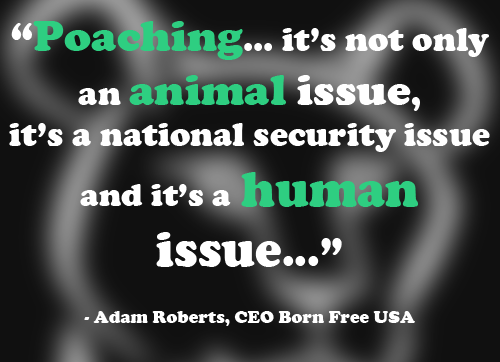 This week’s show takes us to jungles, plains, back lots and road shows to focus on animal welfare and the need for wildlife protection. My guest, Adam Roberts, CEO of the organization Born Free USA, and I discuss the plight of elephants and lions and what is causing them to be endangered. We also talk about the cruelty and neglect of Exotic pets, and the treatment of animal actors in circuses, film and TV. Lions may be sleeping, but we need to ROAR to save them. For more information go to
 Be Kind to Animals, Don’t Be Cruel, Eat Your Veggies. All these phrases come together on this week’s program, as we celebrate vegetarian cuisine and cruelty free living at the New York City Vegetarian Food Festival. We spoke with Zoe Weil, Co-founder and president of the Institute for Humane Education, Nora Kramer, Founder and Executive Director of YEA (Youth Empowerment Action) Camp, Annie Hauck Lawson, Founder of Brooklyn Mompost, Susan Hargreaves, Founder of Animal Hero Kids, and Isis Phillips, Executive Director of Indy Kids. It was a pleasure speaking with all this dynamic and amazing women, who do so much to make the world a better place. For more information on these organizations go to