

By Susan Lutz
Warming up to these 2016 Olympics took awhile. All the reports of the toxic water, Zika threats, and displacement of people from their homes made the Summer Olympics seem superfluous – an extra we might be able to live without or at the very least change?
But the games began. I’ve plopped in front of the television so many times over the years to watch the athletic phenoms, it felt odd to ignore it. The hype is hard to ignore. With kids, I grapple how we can understand what the tradition these games are, yet bring in a balance of the very real costs to the environment and world it can cause.
From the nightly news to social media, reporters highlight the trash in the water or the post a picture of the protests in the street. I want to cheer them on, stand up and do a fist pump when a swimmer gets another gold, and marvel over the mind-boggling gymnasts. Yet the images of cost both environmentally and socially linger in my consciousness while I watch. The hour broadcast delay also adds to the disconnection the larger powers have with the people who play and support the athletes.
Because it is about the athletes, the coming together of nations for a few weeks, in the hopes of putting down hostilities and instead playing some hoops (and all other games). As an athlete that competed at the collegiate and national level, I found inner strength, trained to break barriers (especially my own), and came together day after day with teammates for the purpose of a higher goal. That feeling in the gut, from throwing that pitch, making that shot, nailing that dive, or winning that sprint, those moments represent a long path of people working together and can translate to a deep connection to others. I see it when my son takes a shot in soccer or gets back out there after falling down – he’s rallied around, supported, and finds a strength to continue on. I truly believe these skills help him in his daily challenges.
Yet, we can’t play our games and shoot down others in the process. When the Olympics leave Rio, how will the country change? How will we change? What will happen to the neighborhood once the torch is extinguished? So many Olympic villages rode into town and left behind an empty land. What will we do differently before the next summer – and winter – Olympics return? Maybe it’s time to have one permanent spot for the Olympics. Or a guaranteed plan that the immense building that takes place due to the creation of the Olympic village has a useful, environmentally effective, re-purposed to move a city, state, and its people forward.
I’ve also lived in a country where the site of trash in the waters and along the road was tough to stomach, sometimes literally. Shaming a country from our the screens of our phones casts a quick judgment on the deep challenges a society faces from budget to resources to societal norms. We can embrace the change and ignite other nations by working at change in our homes and villages.
I’m still drawn in by the bottom line of the Olympics. I tell both stories to my children, the challenges and the successes, with the hopes of opening their awareness to the cause and effect we have on our world. I am not sure the world today is better or worse with the Olympics. The cost seems awfully high, but it won’t disappear in the next years. Cities will bid for the right to host until we all decide to change. The Olympics, like us all, are in a process of growth. What I hope is that looks to the future with an eye for making the world better for us all.
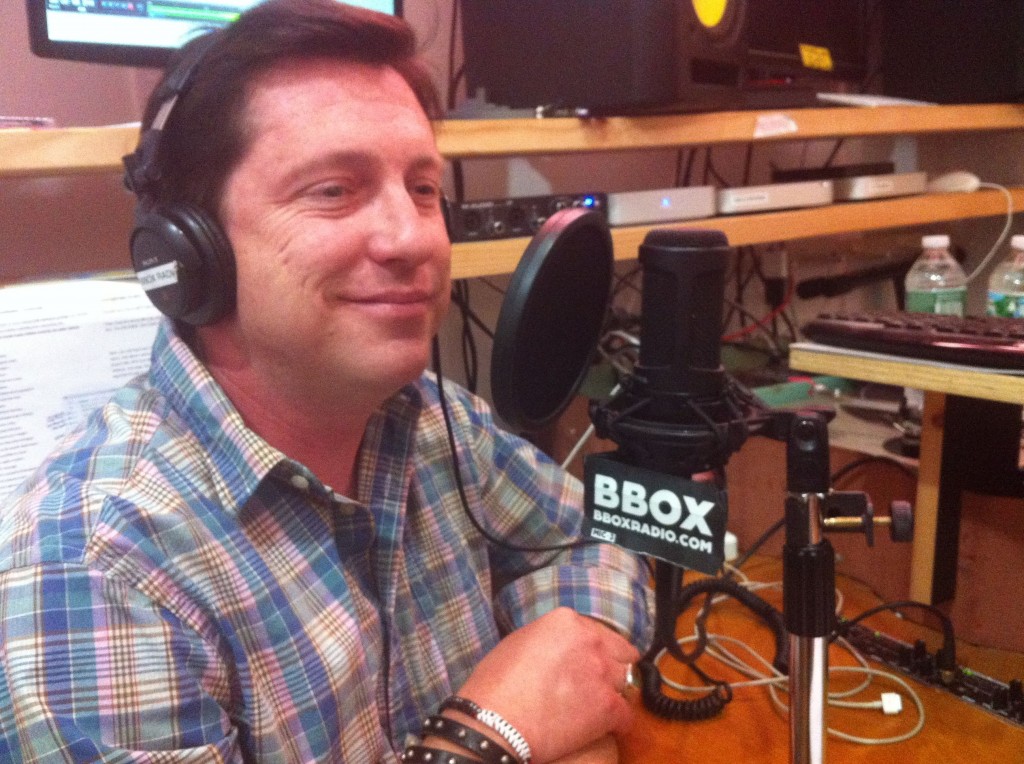 Riverkeeper, the guardian of the water, land and air celebrates its 50th Anniversary this year, and it is fitting to have friend of the show, John Parker, Director of Legal Programs at Riverkeeper, as my guest this week. We discuss all the great work Riverkeeper has done over these last five decades, as well as what they will continue to do to preserve and protect the environment. Keeping the waterways vibrant, and our drinking water clean, is essential to the health and well being of the citizens in New York State and beyond. To find out more about this great organization, go to
 As the people of Flint Michigan fight for better quality water, the problem of lead pipes has come to the forefront of the newscycle. Enter our guest this week, Bill Spataro, a metallurgist who has worked for the New York Power Authority. Bill explains how chemicals from lead leach into the water systems, and what effect those chemicals have on those who bathe in and drink lead laced water. This is not just a problem in Flint, it could happen in your own backyard or community. Is this all preventable? To find out more about this issue go to health.ny.gov/environmental/lead/

 Electric cars are cool, electric cars are fun, electric cars don’t pollute the air we breathe, so why aren’t there more of them on the road? My co-host Brian Horowtiz and I chat about this and other topics, with my guest Seth Leitman, Green Living Guy. Seth is an EV car aficionado, and author of a series of books called the Green Guru Guides. He is working with the Solarize initiative in Westchester County to promote solar energy. Seth will be lecturing and touring colleges this Spring, to spread the word about green living. For more information go to greenlivingguy.com

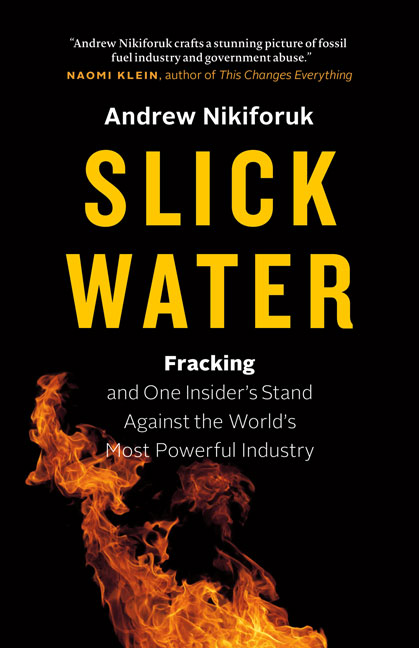 It is no secret that mainstream media coverage of environmental issues is slow-moving, and many stories go un-reported in the press. Climate change deniers spout their ideology with reckless abandon. Enter my guest this week, Andrew Nikiforuk, an award winning environmental writer based in Calgary, Canada, who has written a new book about the hydraulic fracturing industry entitled Slick Water: Fracking and One Insider’s Stand Against the World’s Most Powerful Industry. The book traces the saga of Jessica Ernst, and the path she takes to hold Encana Oil and Canada’s environmental government agencies, responsible for secretly fracking hundreds of gas wells around her home, in a rural area northeast of Calgary. A cover-up ensues, which leads Ms. Ernst to take legal action against the various parties for their role in contaminating land, water and air in her community. For more information